

Elevation, Rainfall and Water: Maleny's Hot Water Conditions
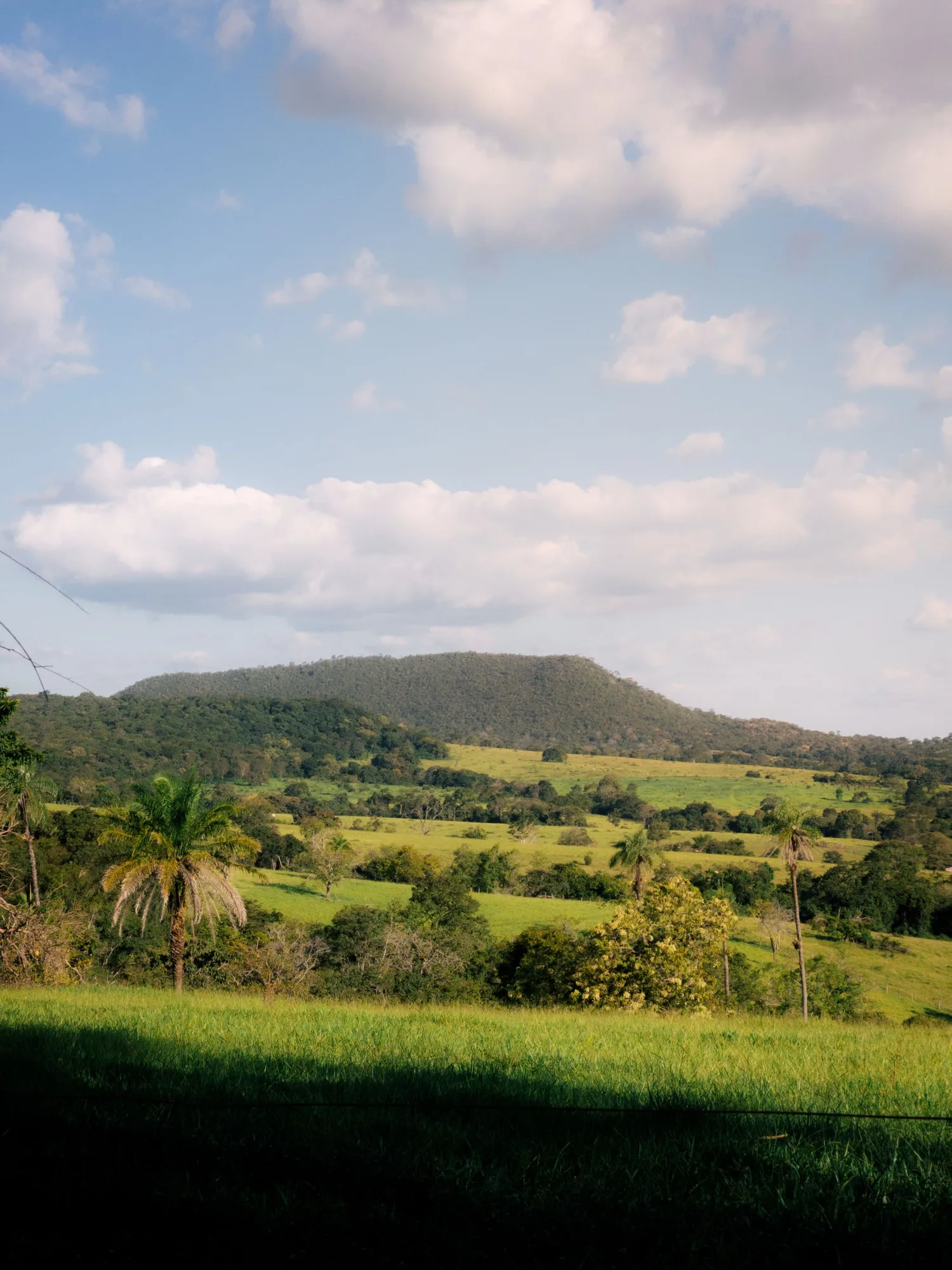
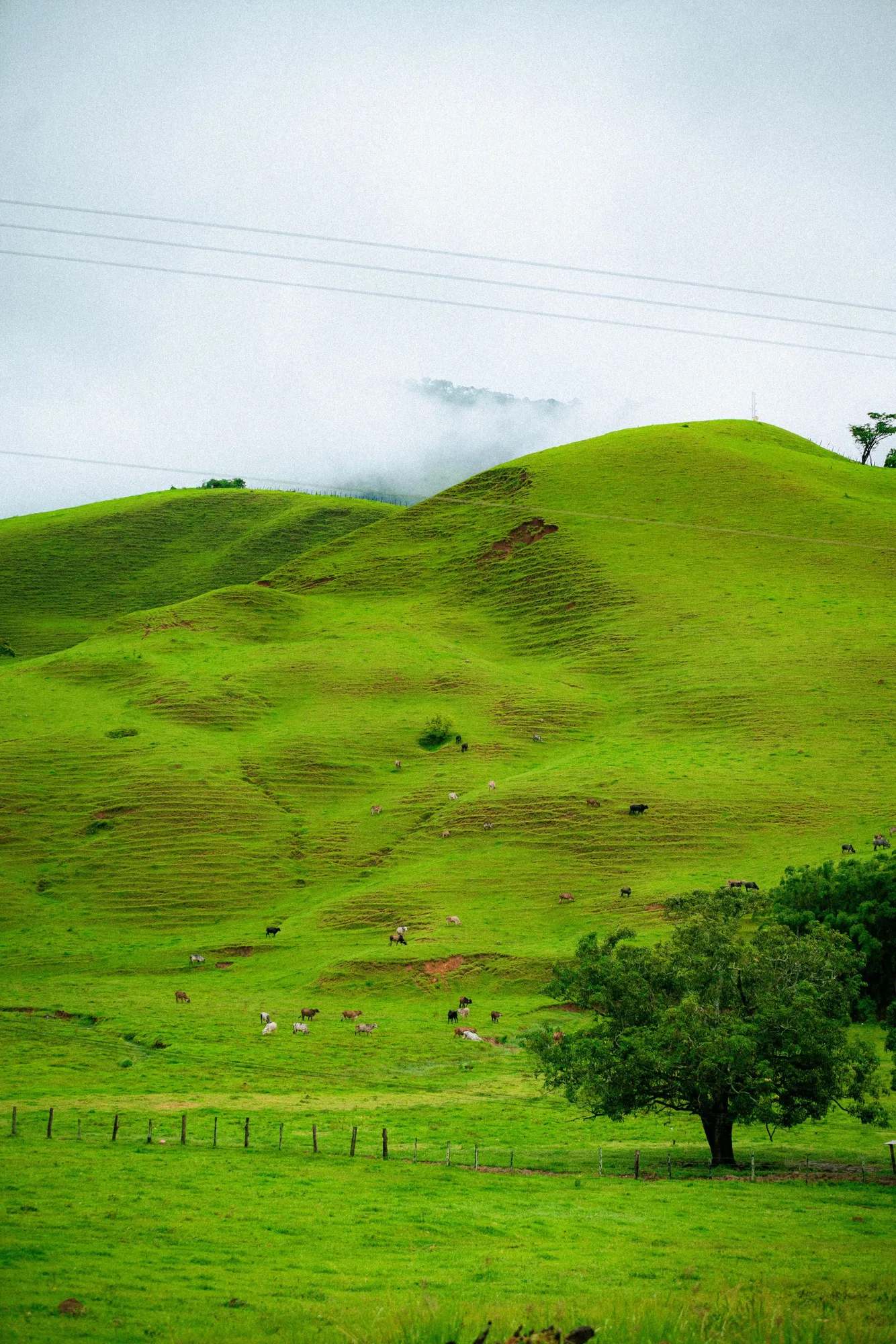
Maleny sits on the Blackall Range at roughly 450 to 500 metres above sea level, and that altitude produces a measurably different climate to the coastal strip twenty-five kilometres away. Winter minimums are consistently several degrees lower, the range records substantially higher annual rainfall, and fog and cloud cover are common in the cooler months. The town developed as a dairying district from the late nineteenth century and now functions as a hinterland service centre with a strong tourism and short-stay accommodation sector.
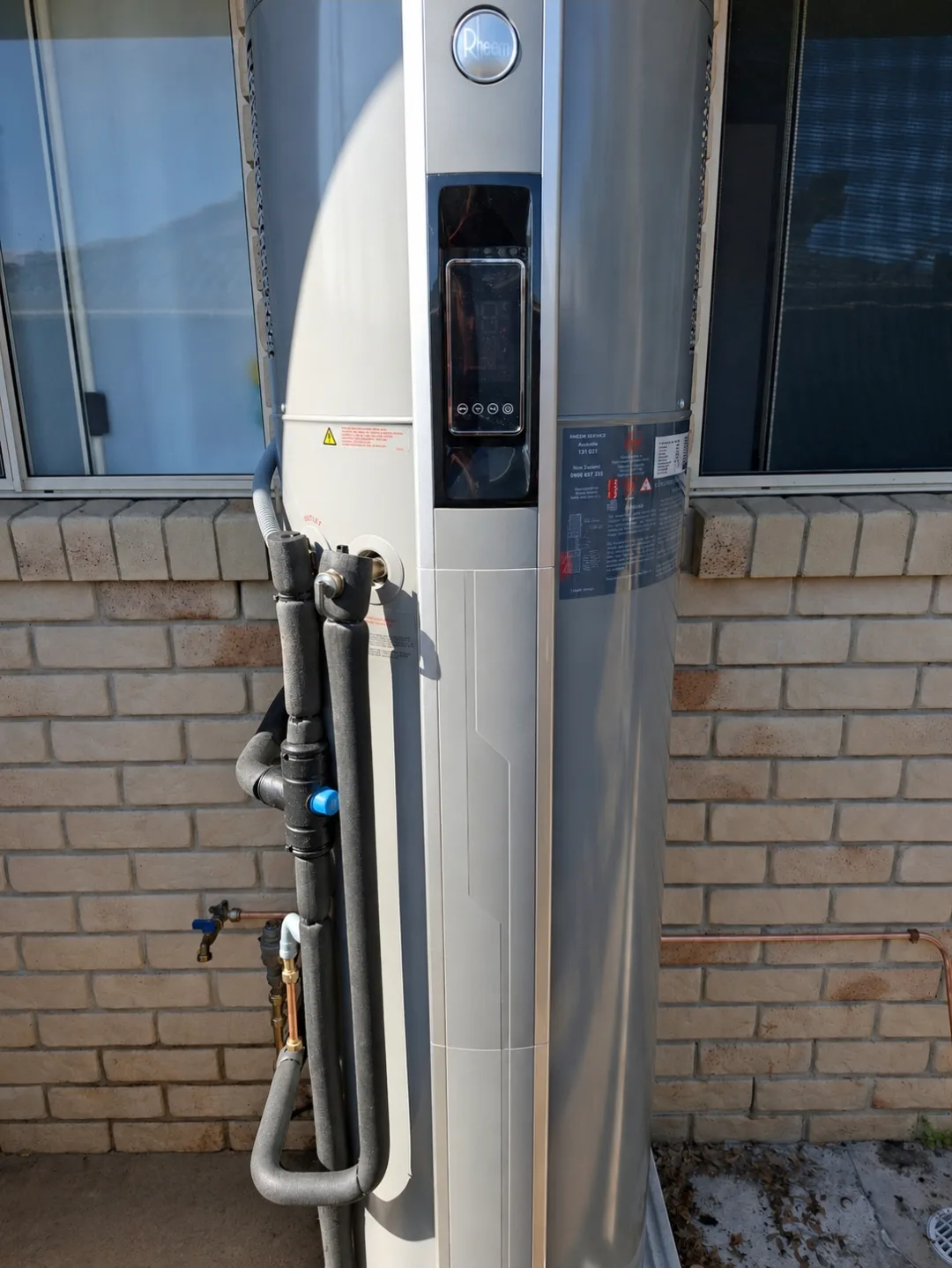
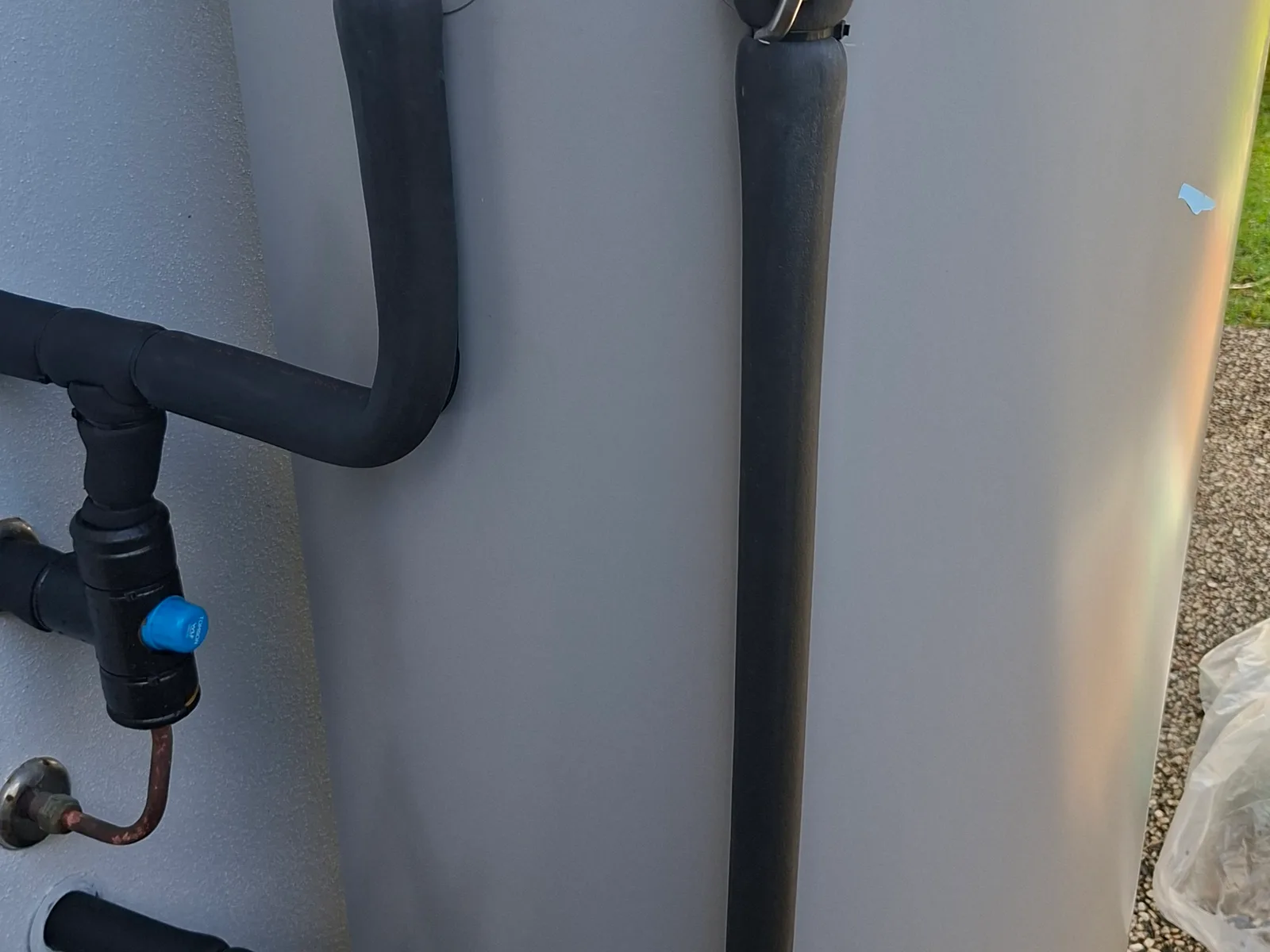
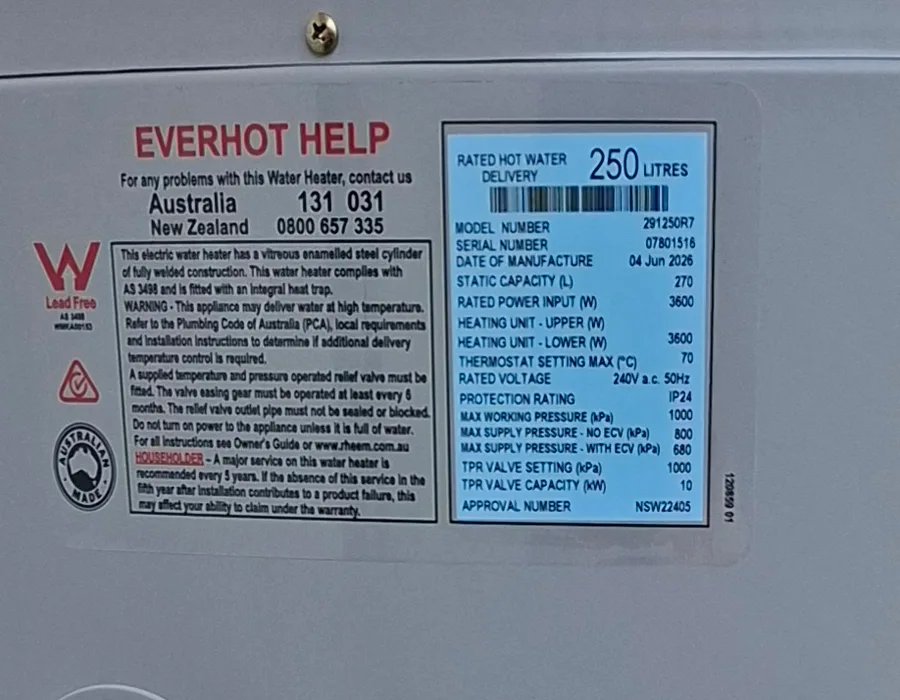
Cold is the dominant service factor. Lower ambient and inlet water temperatures mean storage systems take longer to reach temperature and recover more slowly between draws, which is why the classic Maleny complaint (a system that seems fine most of the year and runs short in July) is usually a sizing issue rather than a fault. The same conditions affect heat pumps: they operate perfectly well at these temperatures, but efficiency and recovery drop on the coldest mornings, so a unit sized to the bare minimum will disappoint. Placement matters as much as capacity, since a heat pump in a shaded, damp southern corner performs worse than one with airflow and morning sun.
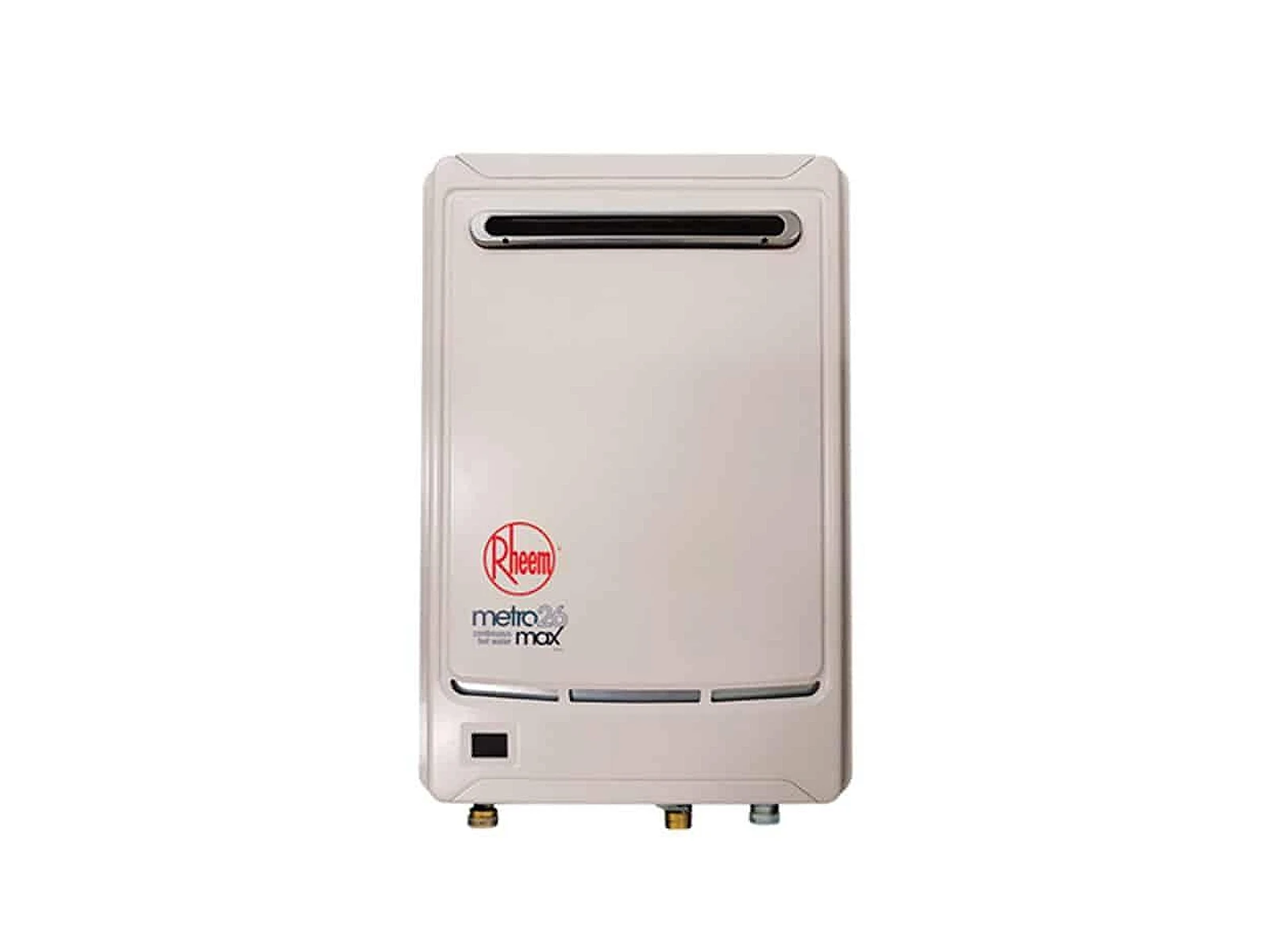
Water and power add to it. Acreage properties run on rainwater (soft, mildly acidic, and hard on standard anodes), and the range experiences longer power interruptions than the coast, which is why some households deliberately retain an LPG system.
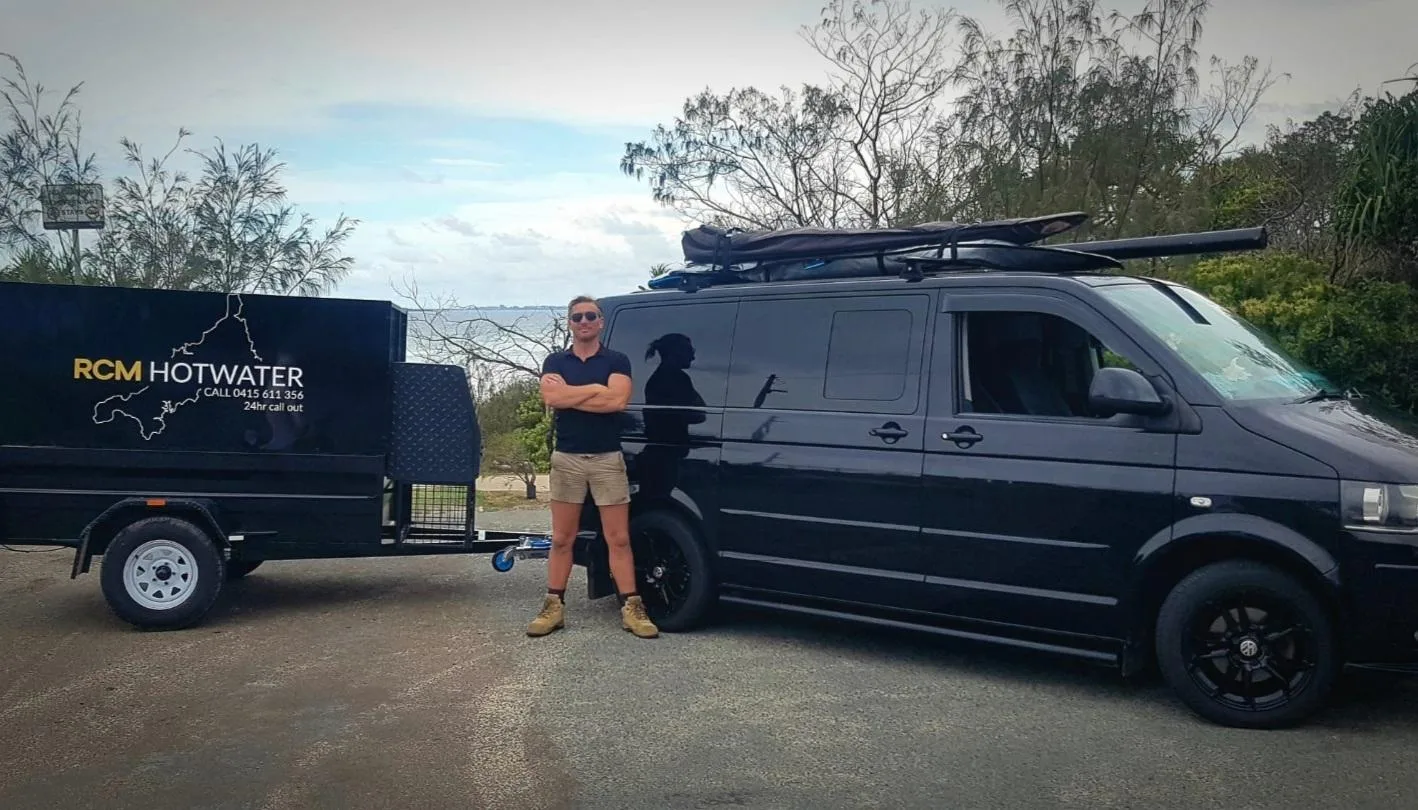
RCM Hot Water works to those conditions: capacity and recovery calculated for winter rather than average conditions, heat pumps specified with margin and sited properly, anodes matched to tank water, and LPG kept on the table where reliability through outages matters, so hot water systems in Maleny hold up in the season that tests them.