
What Noosa Conditions Do to a Hot Water System
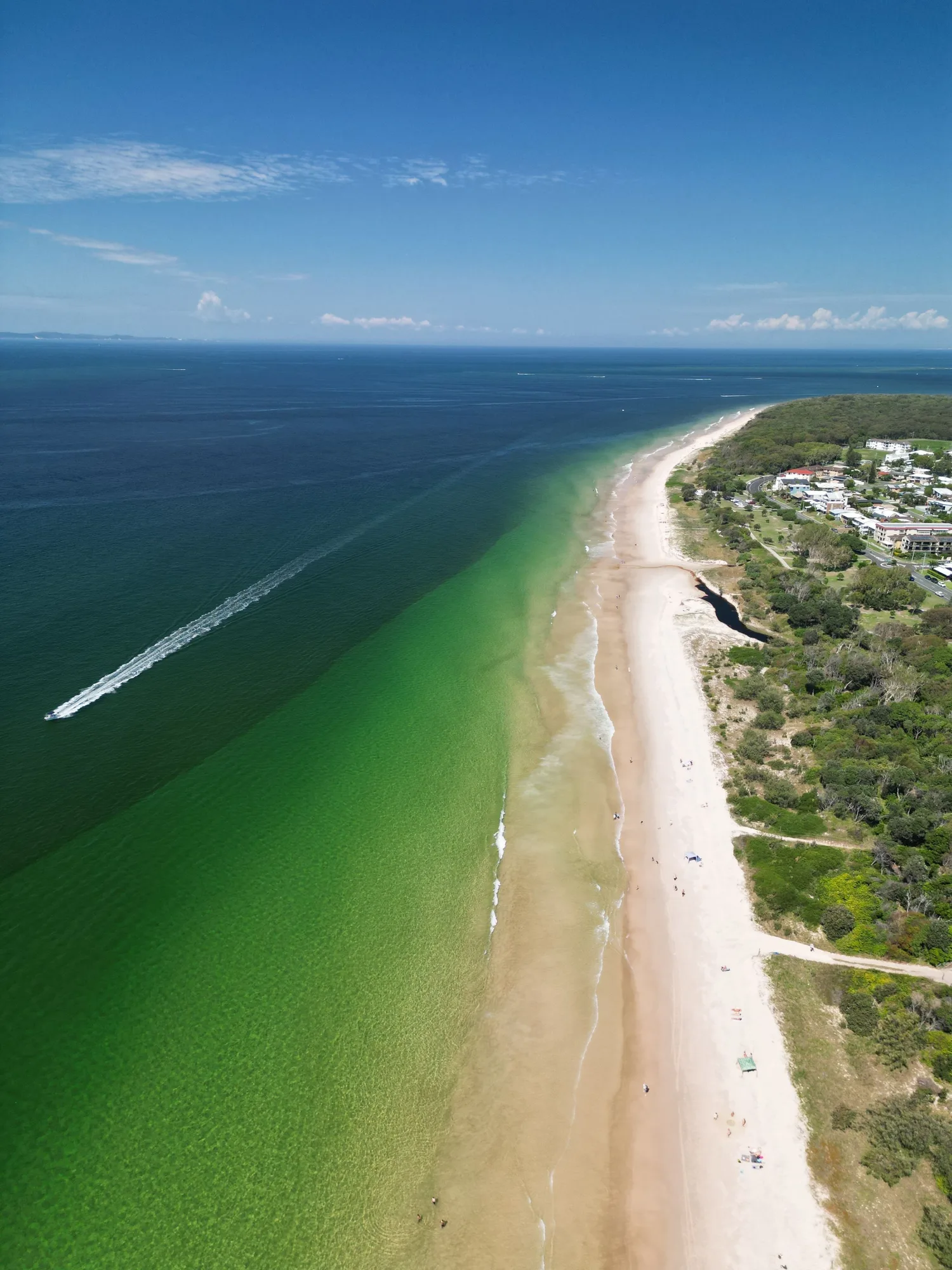
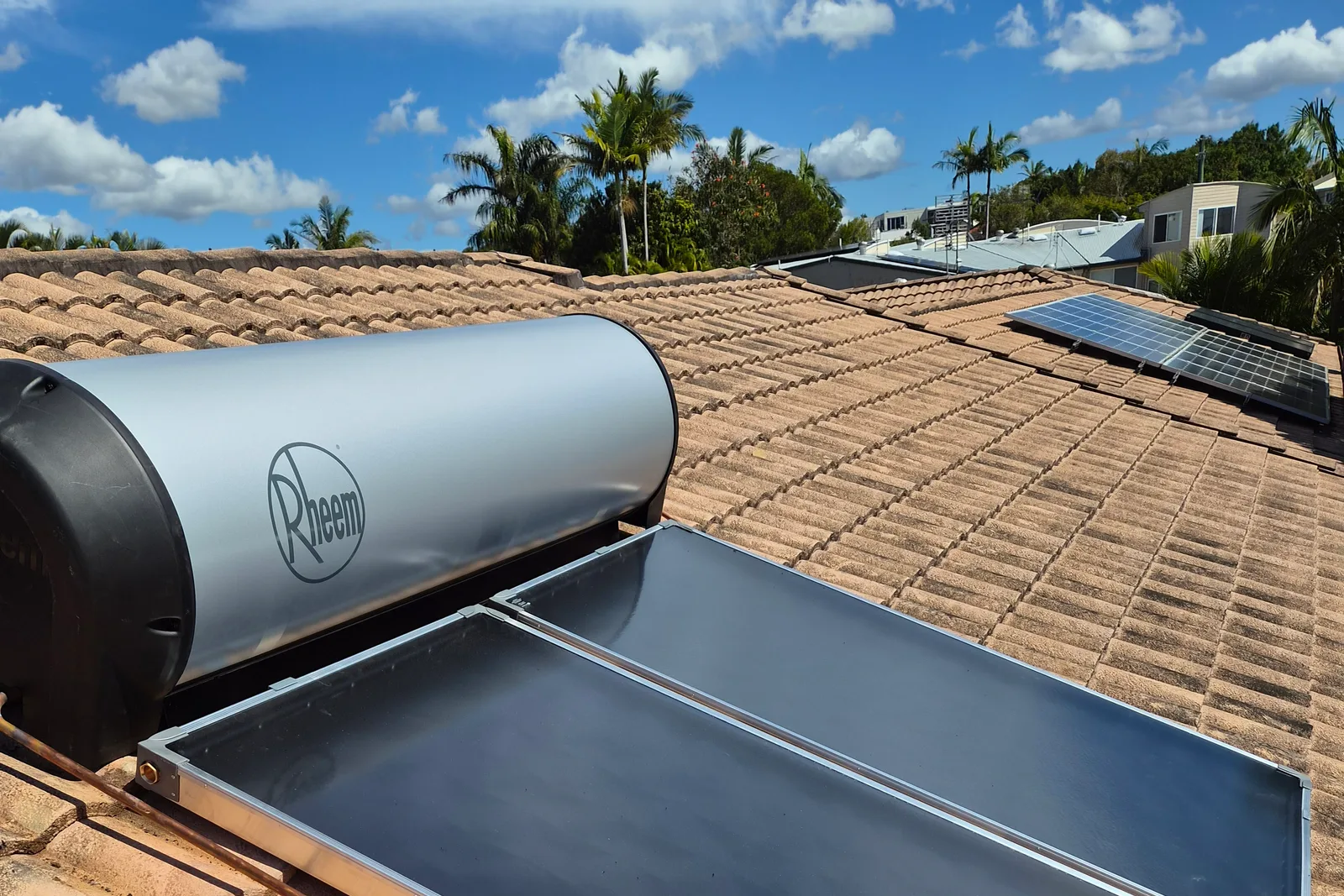
Noosa Shire's built form is unusual for South East Queensland. Building heights are capped, there is no high-rise on the coastal strip, and much of the dwelling stock is low-rise units, detached houses and canal-edge homes. That means most hot water systems here are individual units in exposed external locations rather than centralised plant, and external means exposed to marine air.
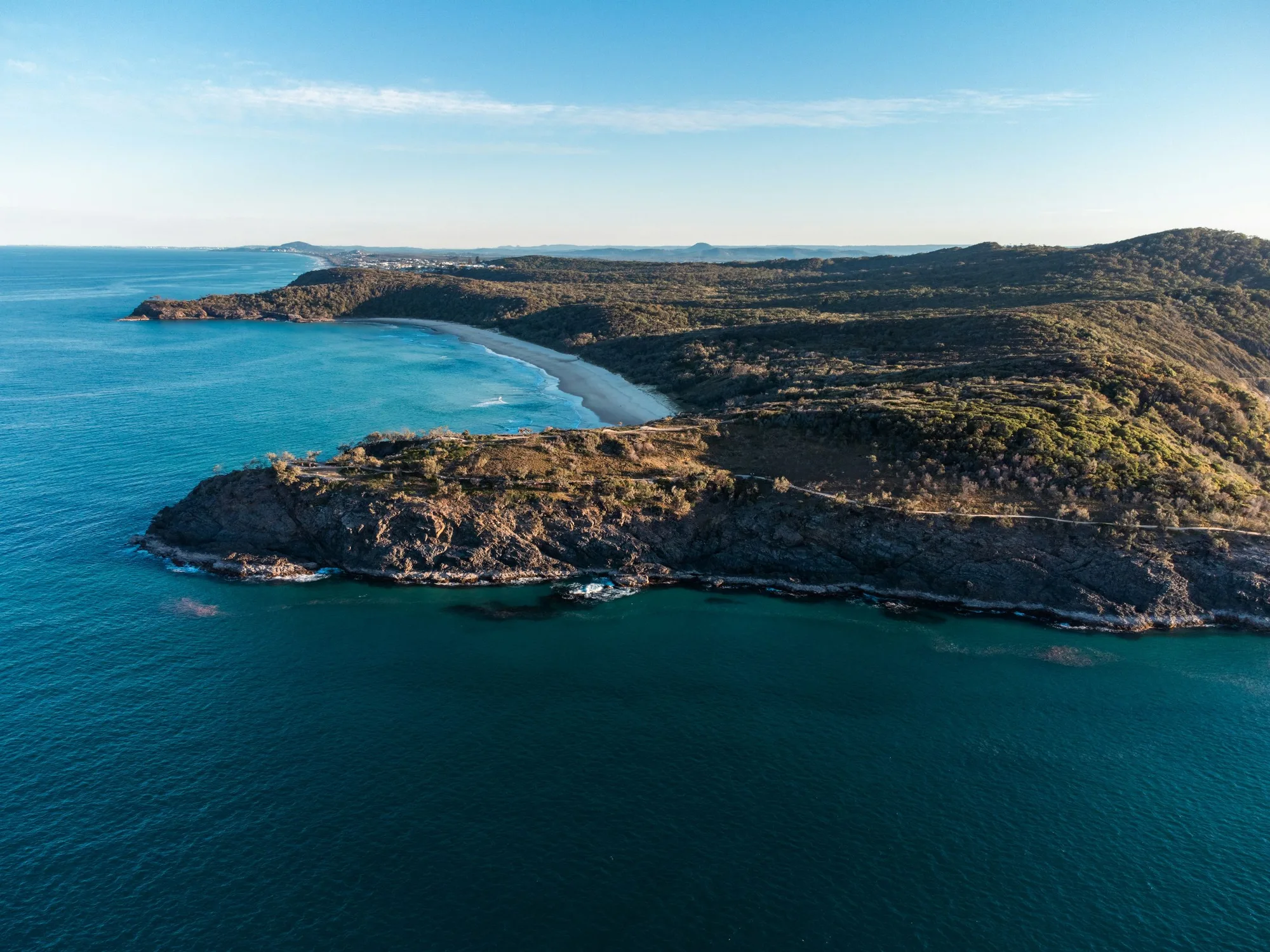
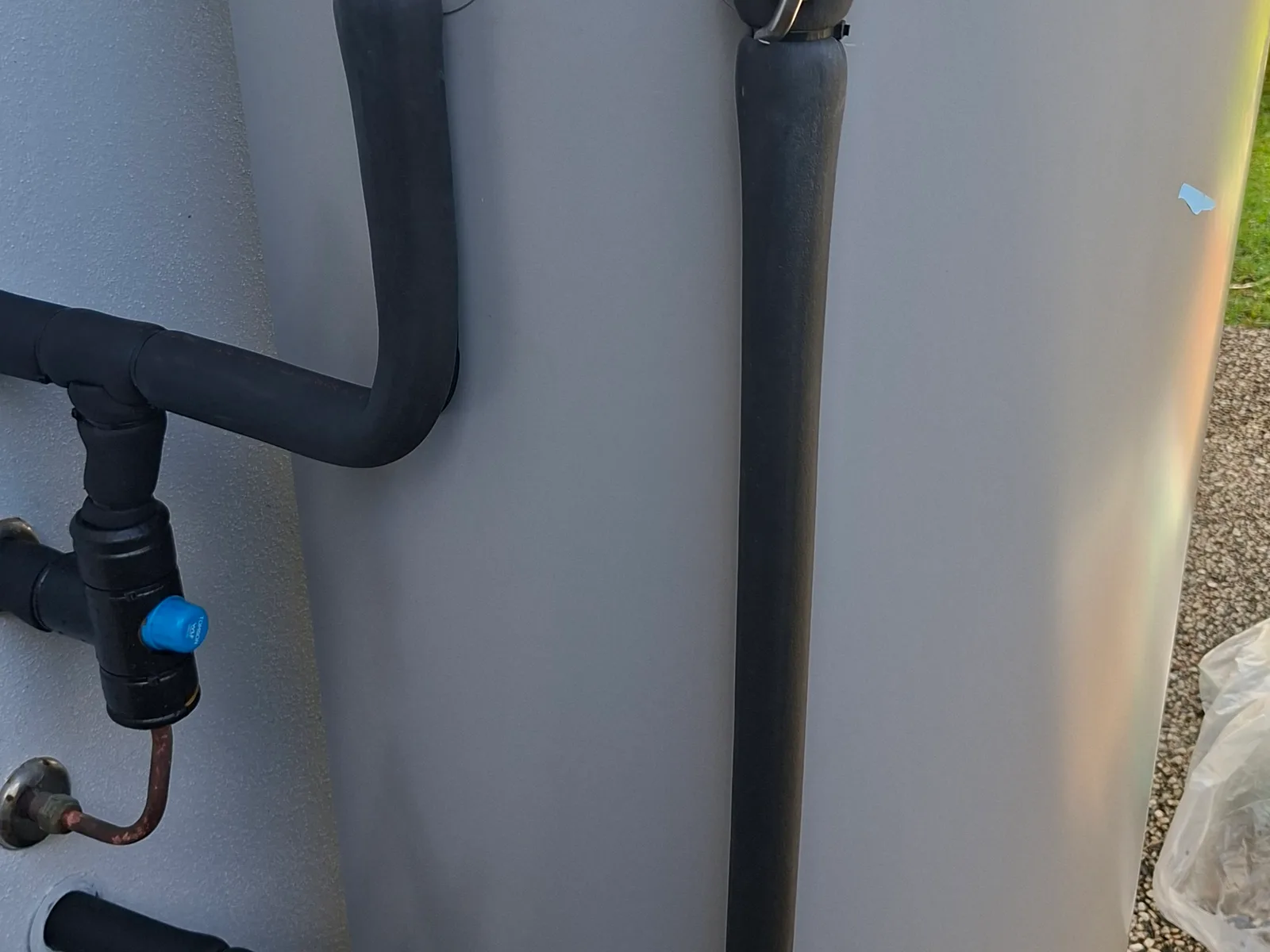
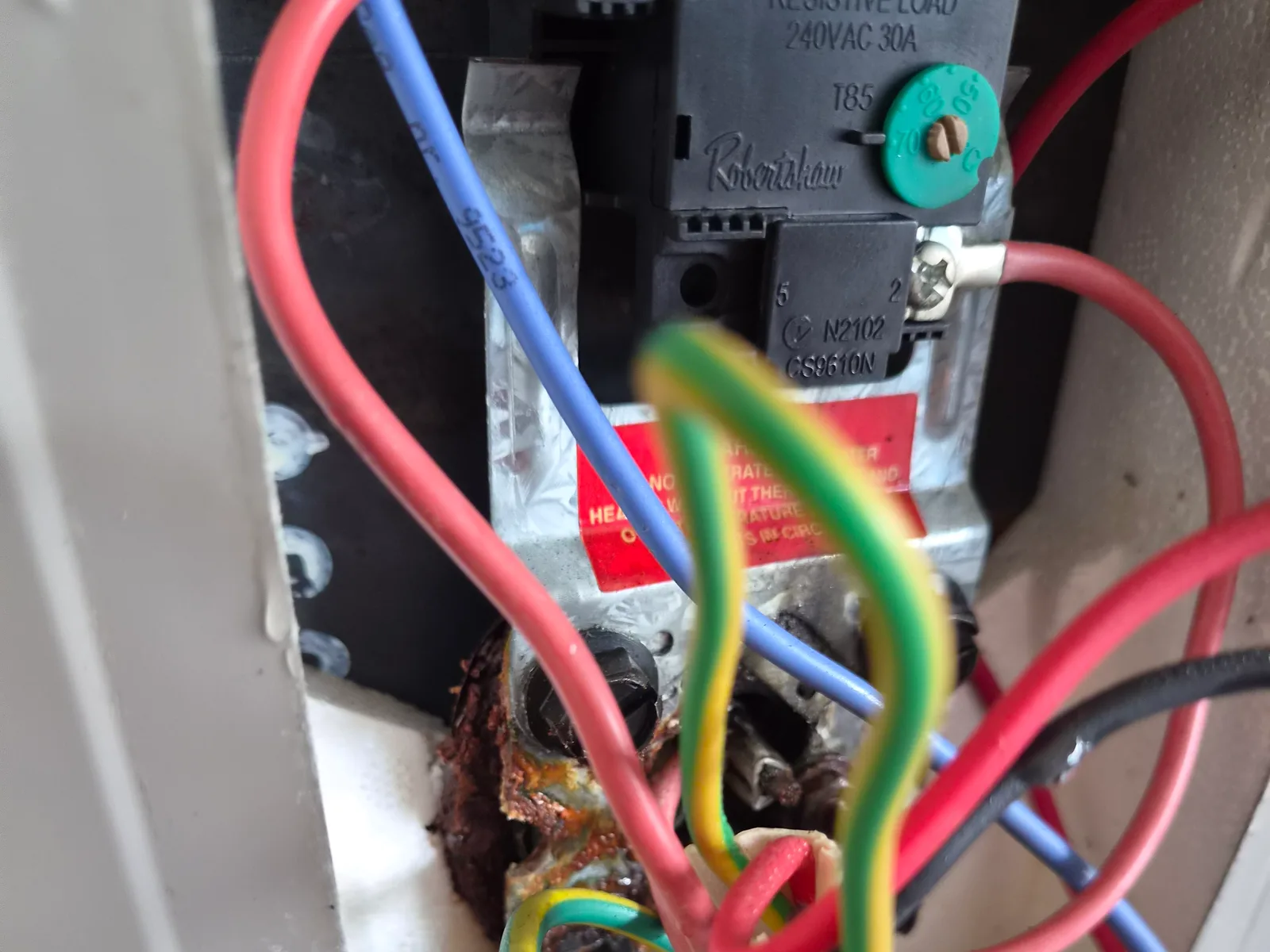
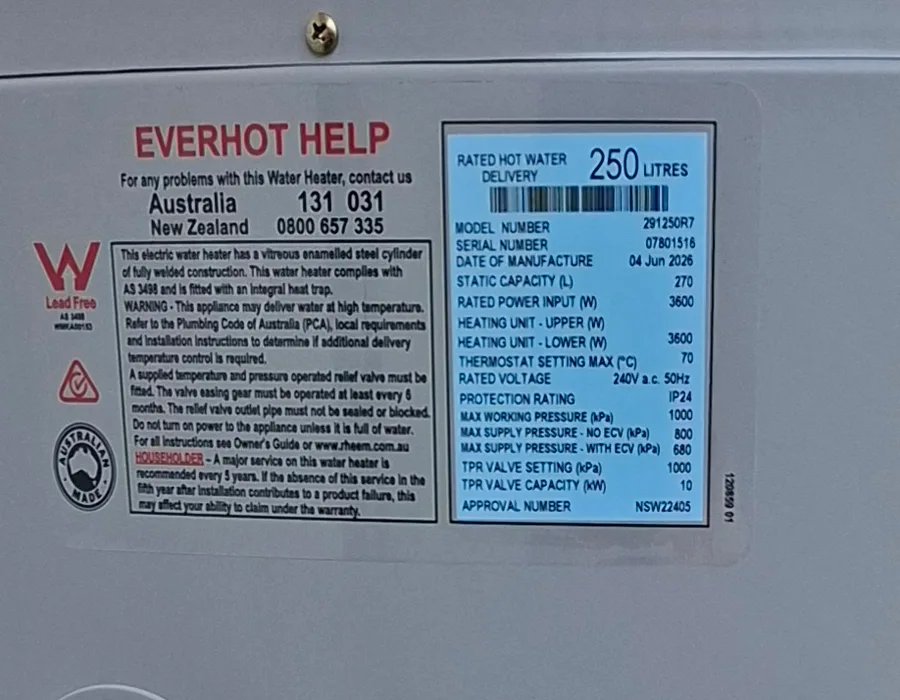
On the eastern beaches, salt-laden onshore wind is the dominant factor. It attacks the outer casing, the mounting brackets, exposed copper and the burner assembly on gas units. A system on a Sunshine Beach or Noosa Heads property, particularly one within a few streets of the surf, will routinely show corrosion at seven or eight years that an equivalent unit in the hinterland would not show at twelve. Owners are frequently surprised that a unit still under an active tank warranty has failed at the fittings, because the warranty covers the cylinder, not the corroded connections around it.
The second factor is gas supply. Most of Noosa Shire has no reticulated natural gas, so gas hot water here runs on LPG bottles, and bottle placement on tight, vegetated or heritage-controlled sites has to satisfy clearance requirements without dominating the frontage. The third is occupancy. Short-stay dwellings swing from empty to six people showering in sequence, which is exactly the pattern that exposes an undersized storage tank.
RCM Hot Water accounts for all three: units in salt-exposed positions get more frequent anode and valve checks, replacement hot water systems are positioned and shielded to reduce direct salt spray where the site allows, and sizing is done against peak occupancy for holiday properties rather than average household use.