


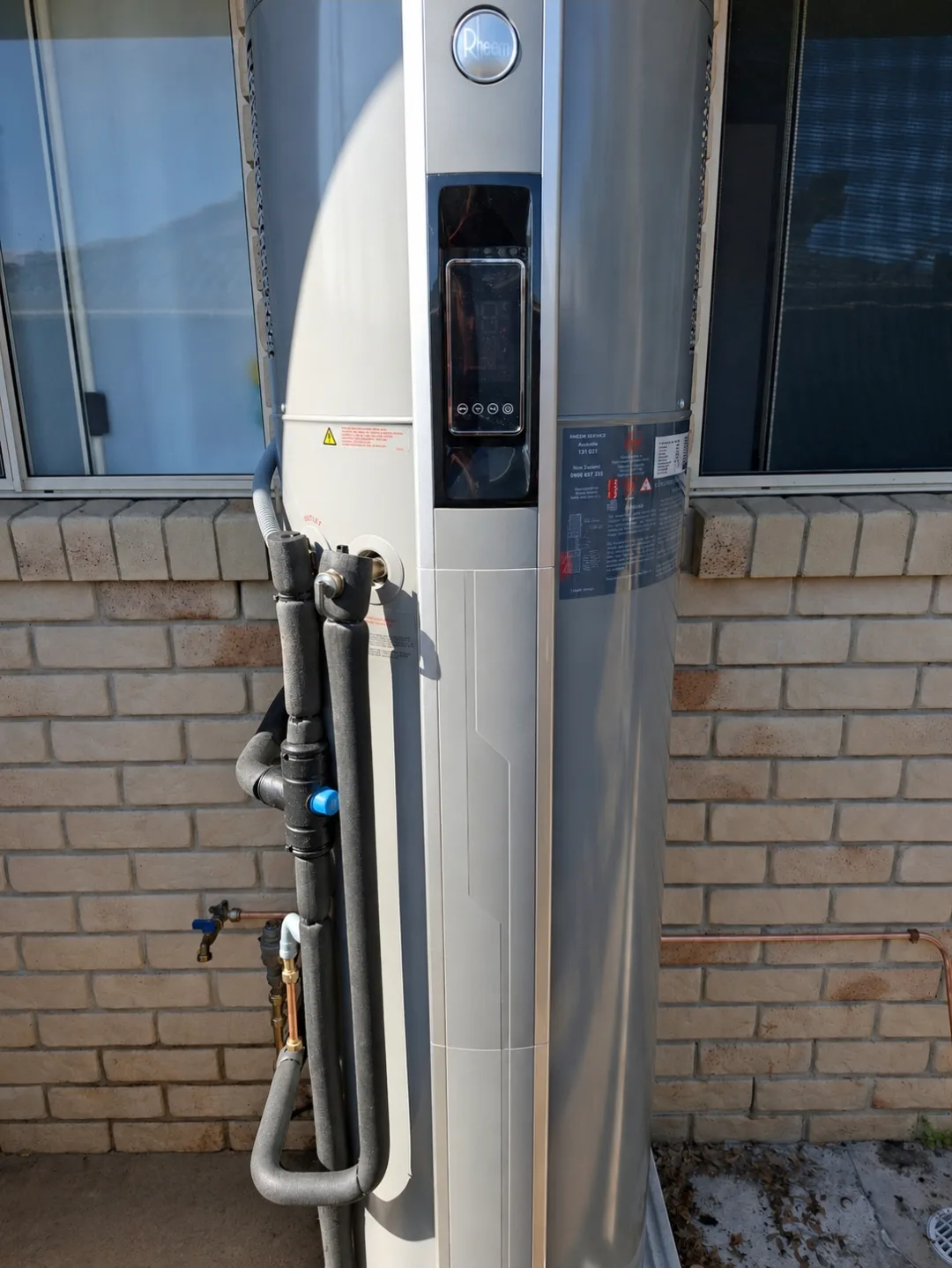
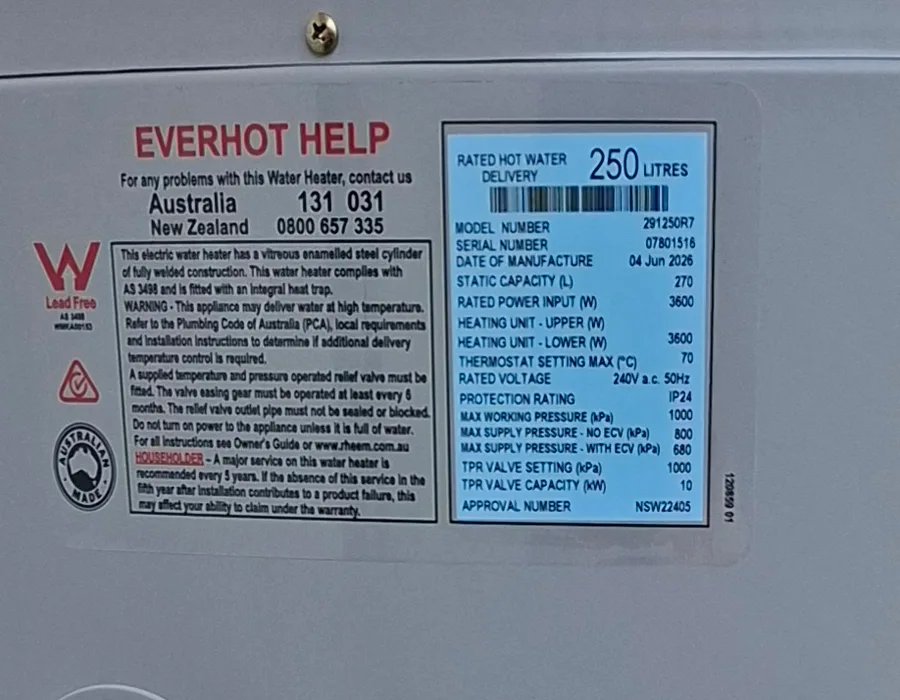
Buderim's Elevation, Housing and Solar Legacy
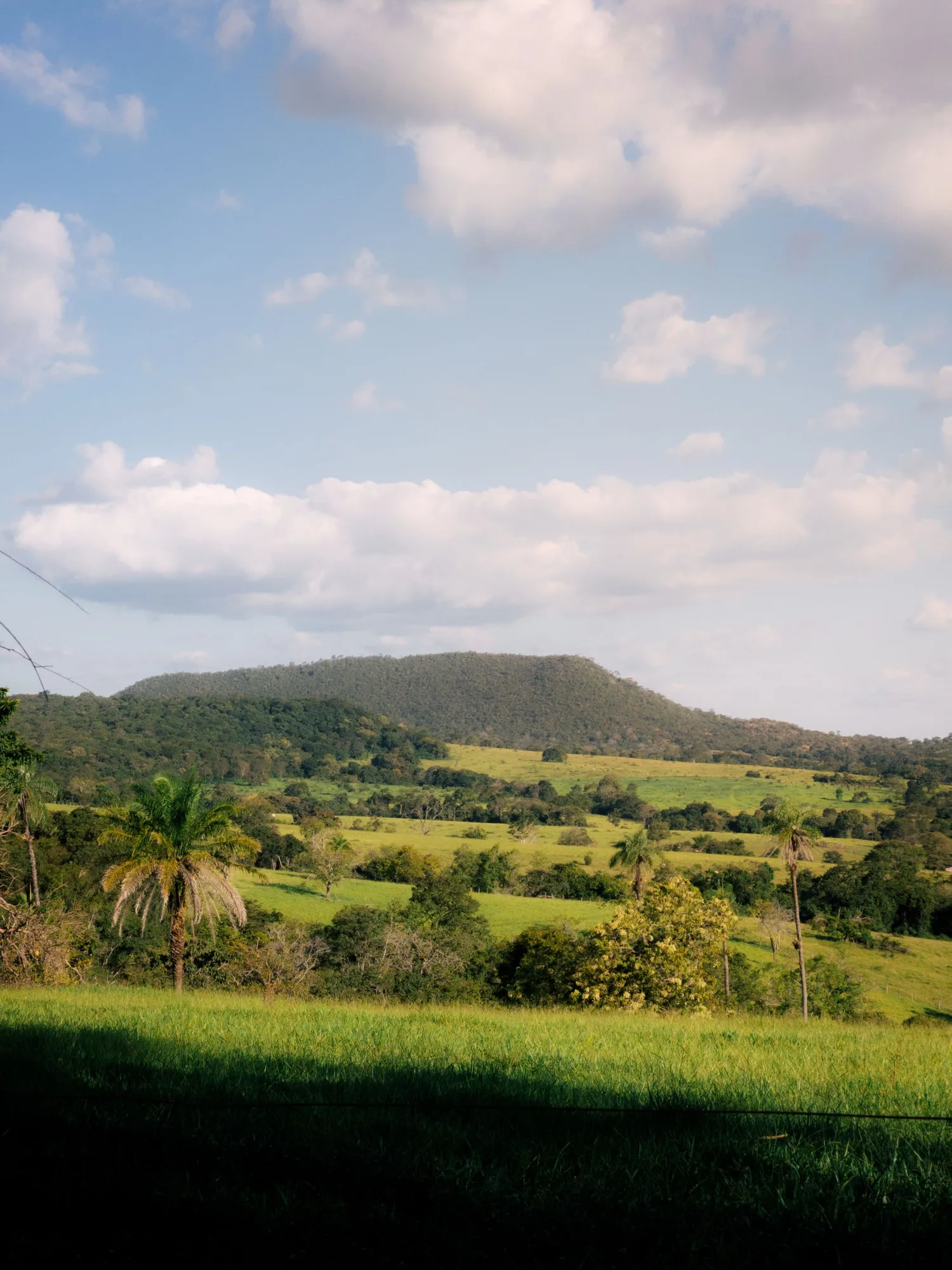
Buderim occupies a basalt plateau rising to around 180 metres above the coastal plain, and the elevation is not a trivia point: it changes the service conditions materially. Overnight minimums on the ridge run cooler than at Mooloolaba or Maroochydore, which lengthens recovery on storage systems and needs accounting for when sizing a heat pump. The volcanic soil that made Buderim a ginger and fruit-growing district in the nineteenth century also produced the steep, well-vegetated slopes that define its street layout today.
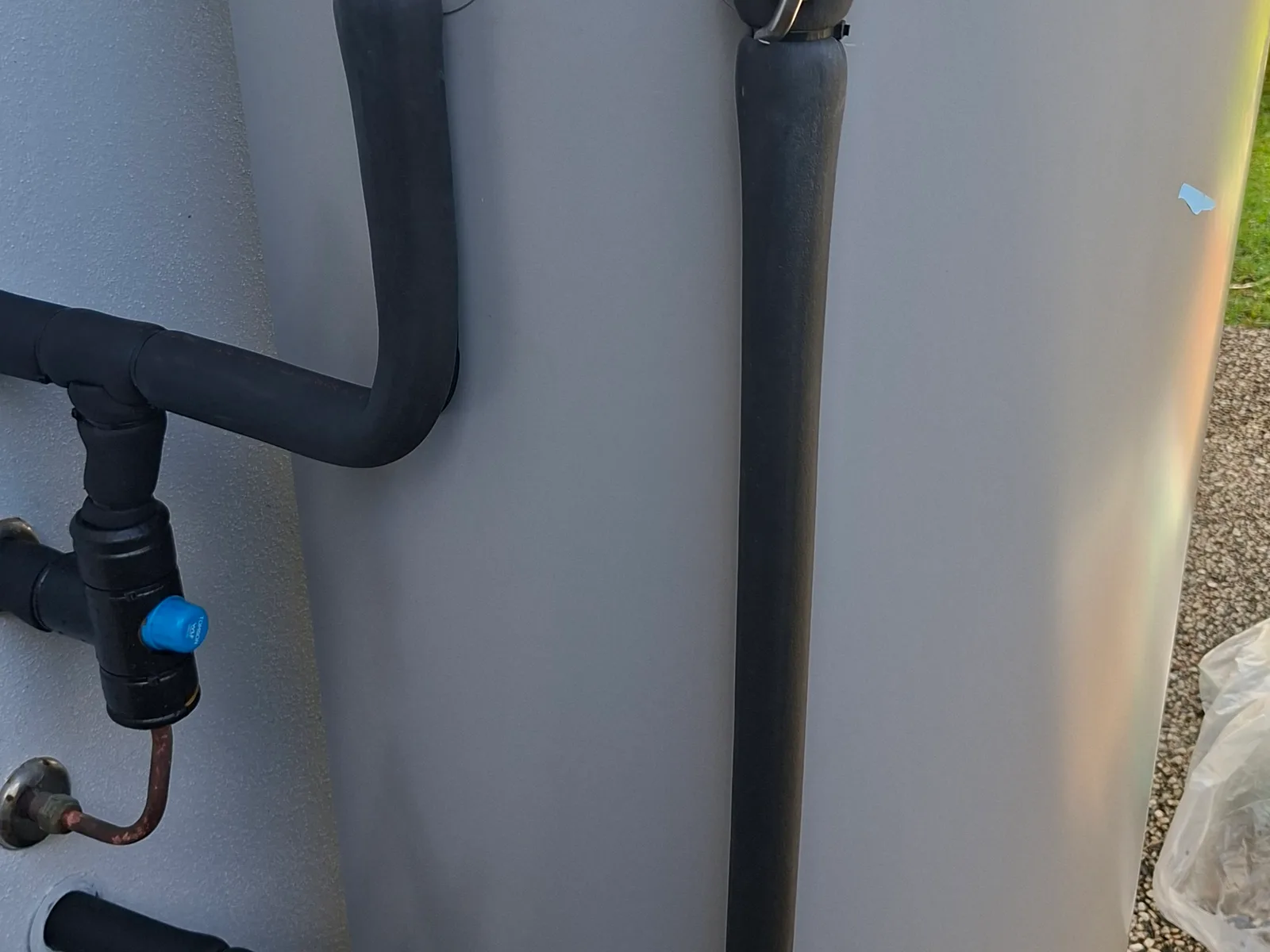
Those slopes drive the second issue. Large homes on falling blocks commonly place the hot water unit sub-floor, under a deck, or at the downhill corner, positions where a slow leak drains away invisibly and where getting an old cylinder out is a genuine part of the labour, not an afterthought. It is also why some Buderim properties have very long pipe runs between the heater and the furthest bathroom, producing the classic complaint of a long wait for hot water at the ensuite that no new heater will solve.
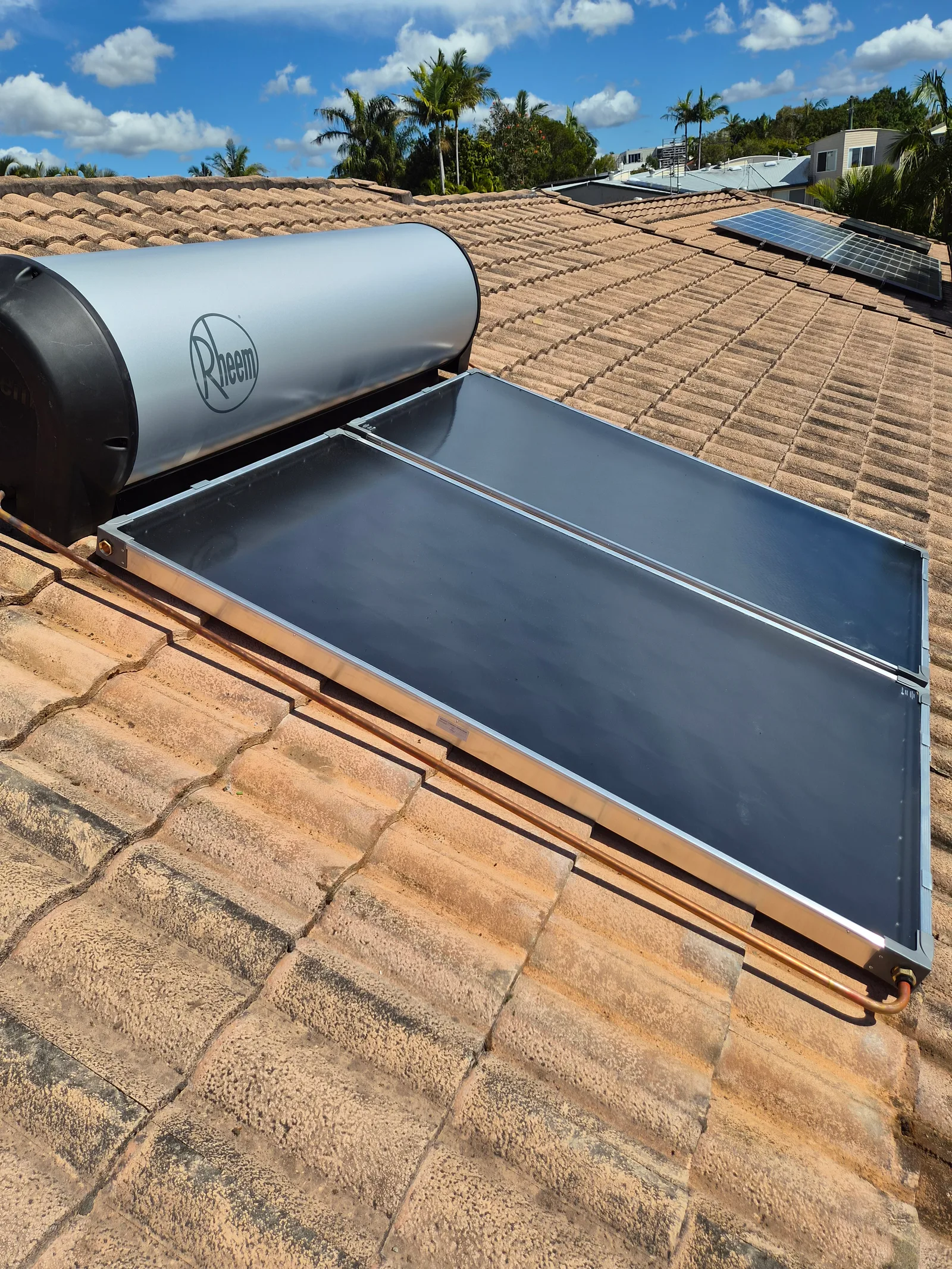
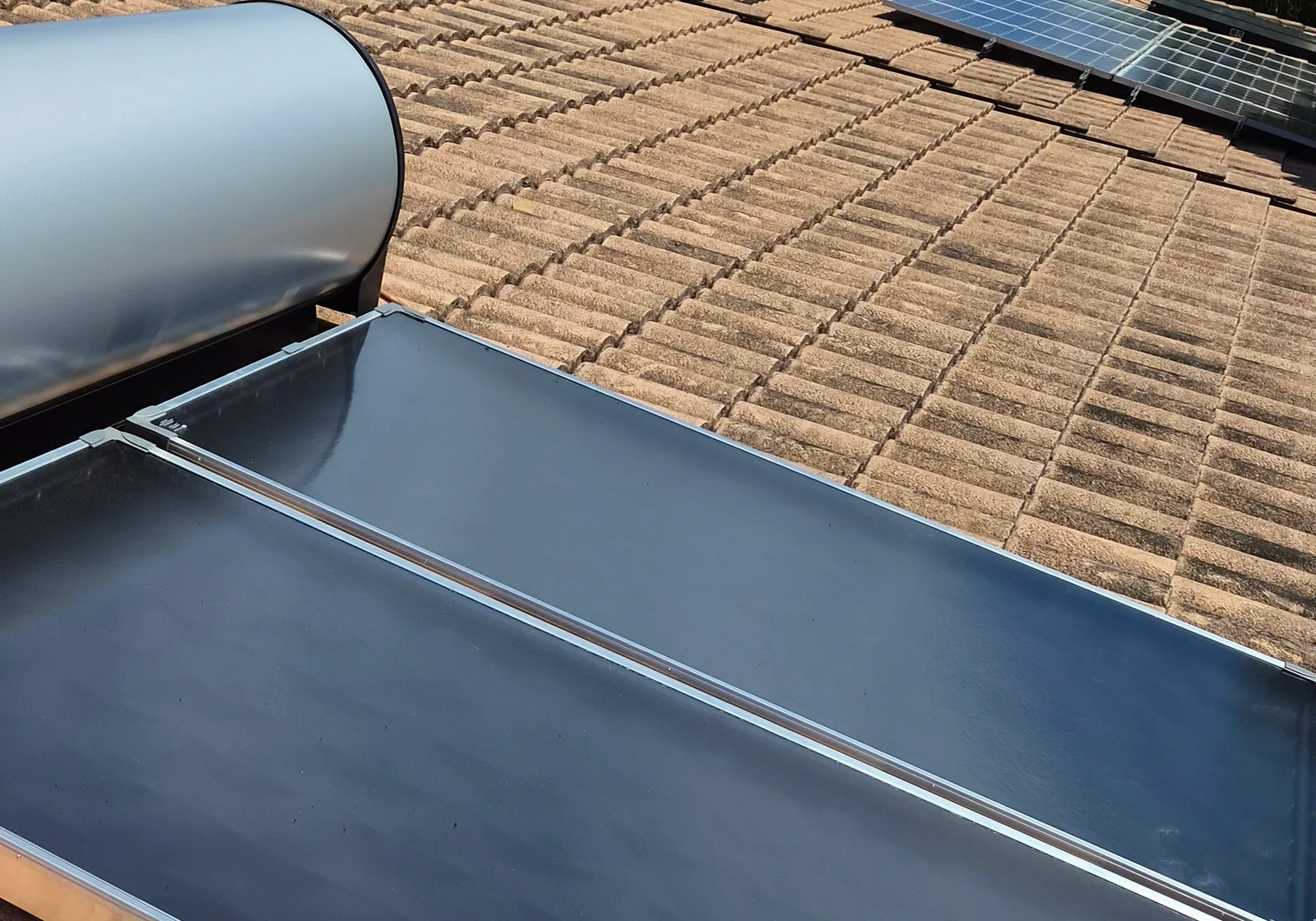
Third is solar legacy. Buderim took up roof-mounted solar hot water earlier and more heavily than most coastal suburbs, and a large installed base is now fifteen to twenty-five years old. The failures seen most often are mechanical and electronic rather than structural (circulation pumps, controllers, temperature sensors and valves) on arrays that remain perfectly serviceable.
RCM Hot Water responds by diagnosing before condemning. Solar components get tested rather than replaced wholesale, distribution problems get separated from heater faults, and heat pumps are sized for ridge-top conditions, so hot water systems in Buderim get the actual fix rather than the easy quote.