
Canals, Density and Vintage: Kawana Waters in Practice
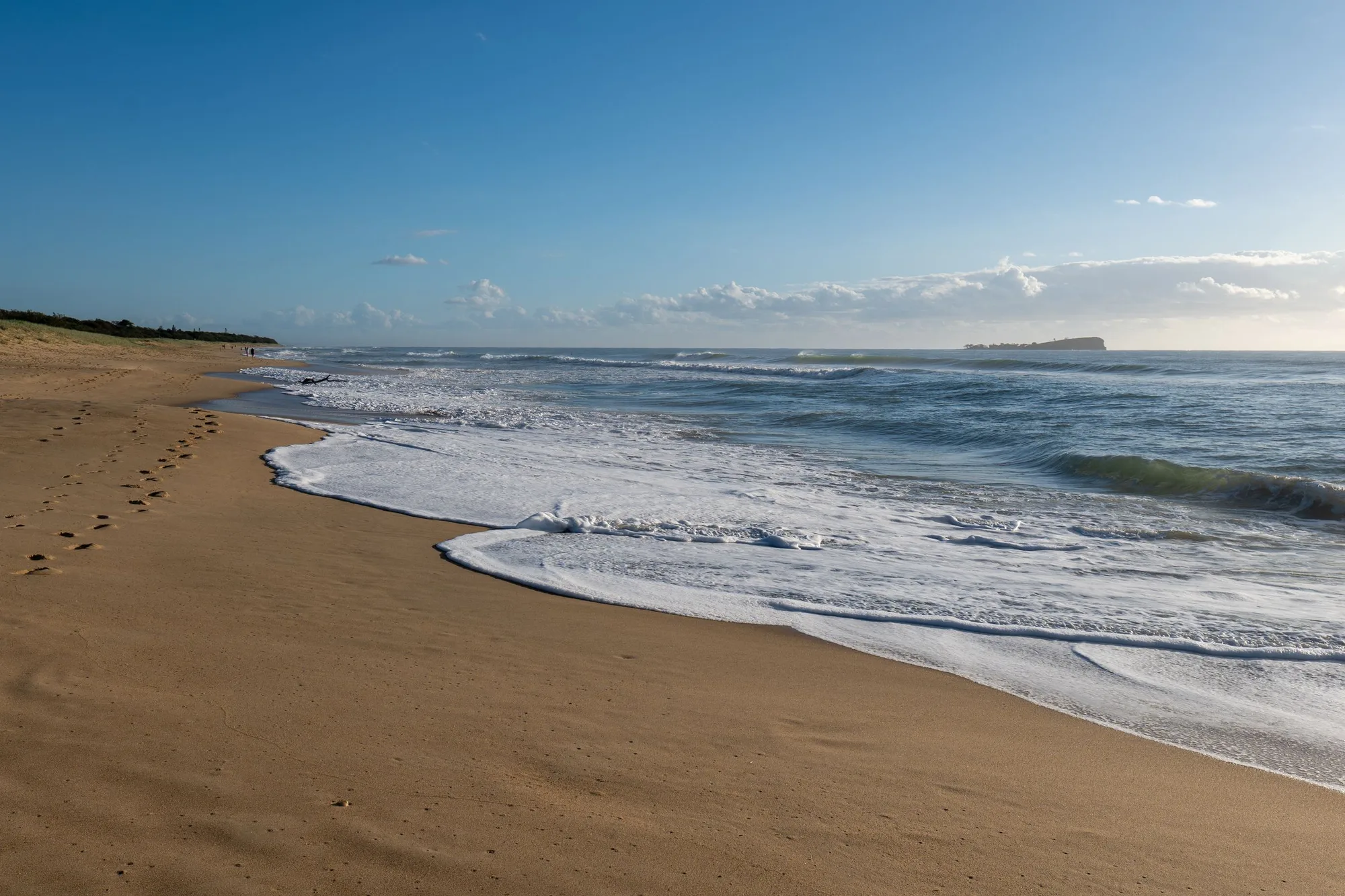
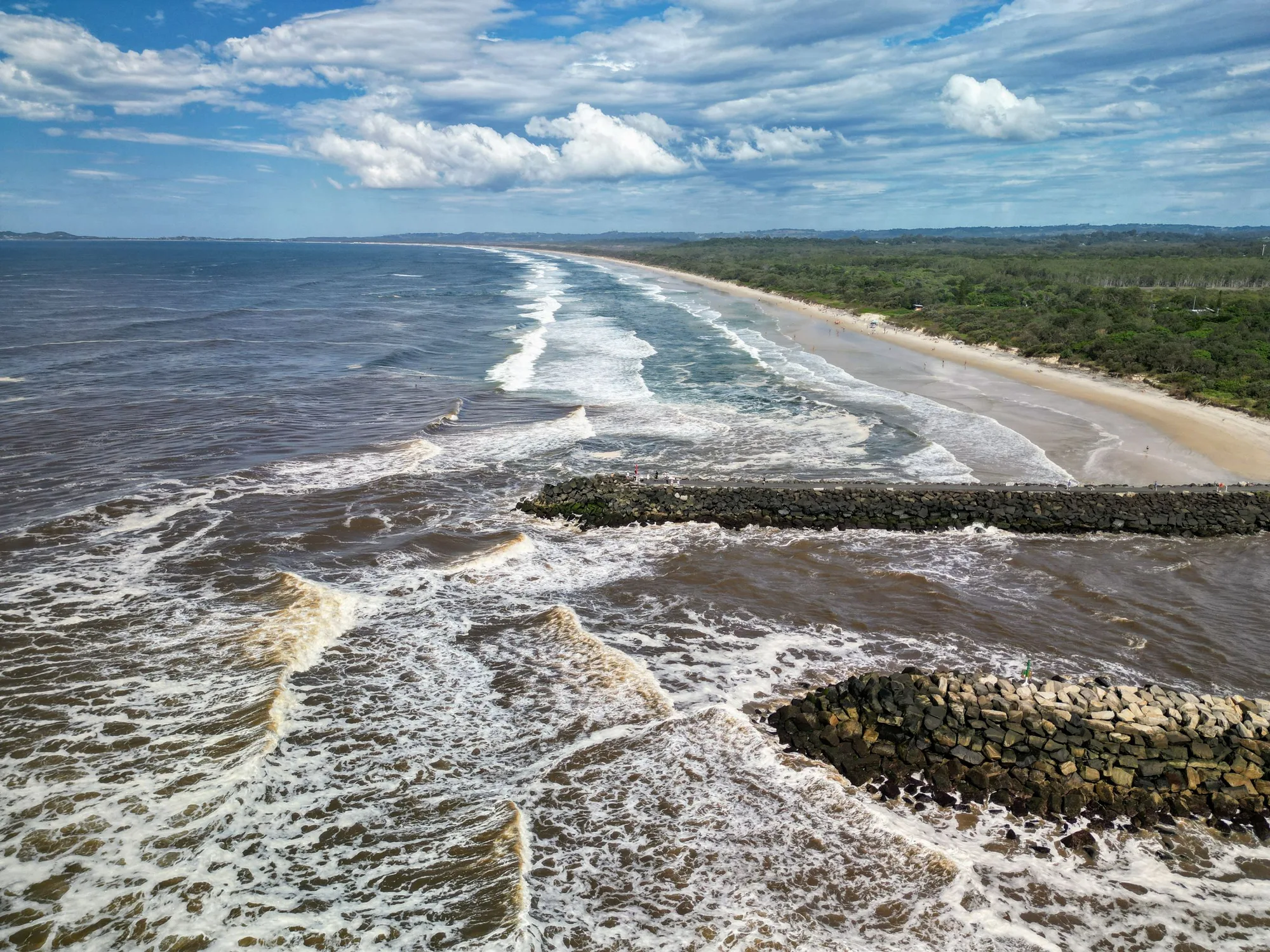
Kawana Waters is not a single suburb but a planned coastal district, developed from the 1970s across what are now Buddina, Minyama, Parrearra, Warana, Wurtulla, Bokarina and Birtinya. Its defining feature is the extensive network of artificial saltwater canals cut through the original wetland, which put a large proportion of homes on a waterfront. Its second defining feature, far more recent, is the Sunshine Coast University Hospital and the surrounding Birtinya health precinct, which since 2017 has driven a wave of medium-density apartment and townhouse development.
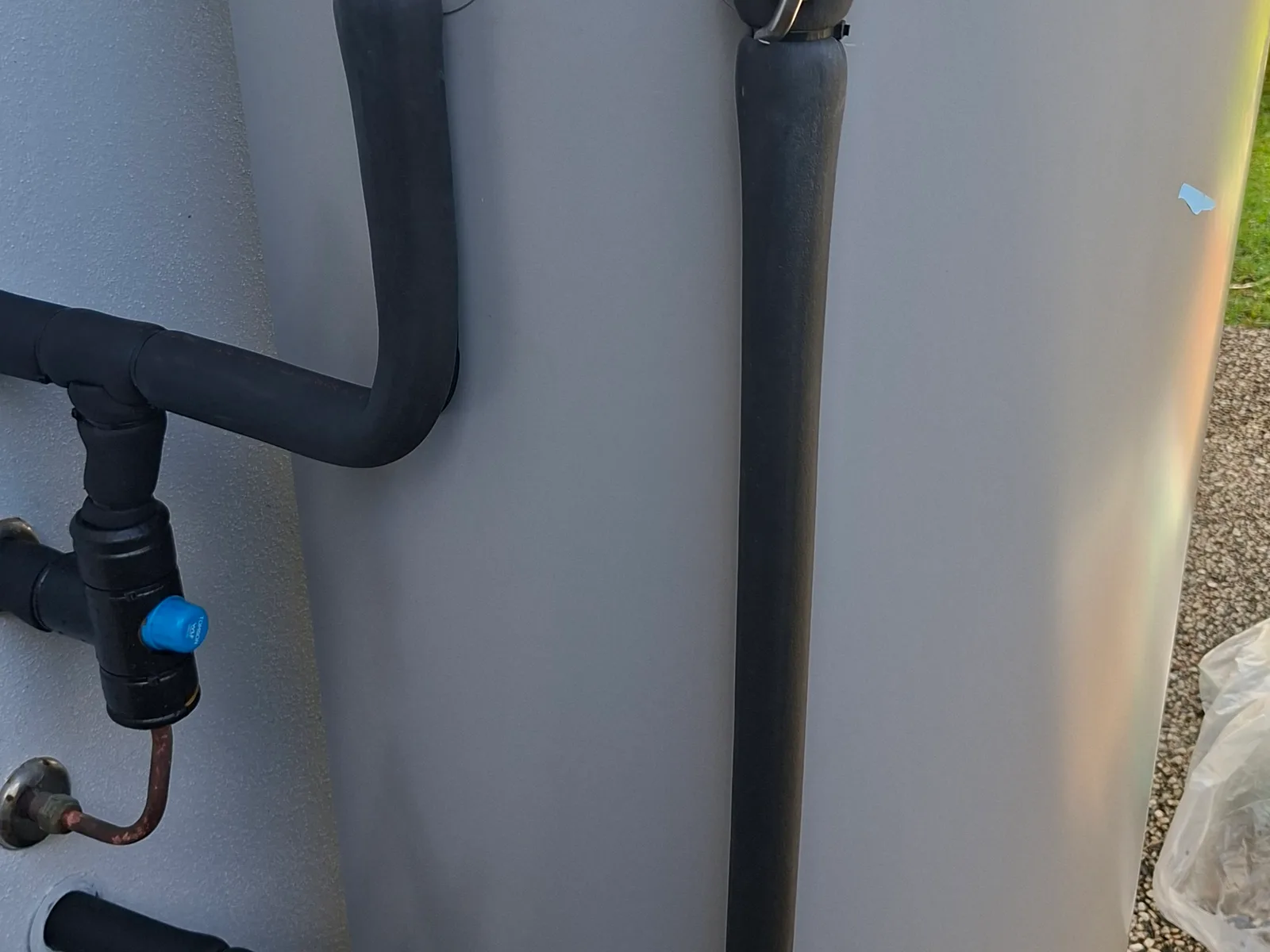
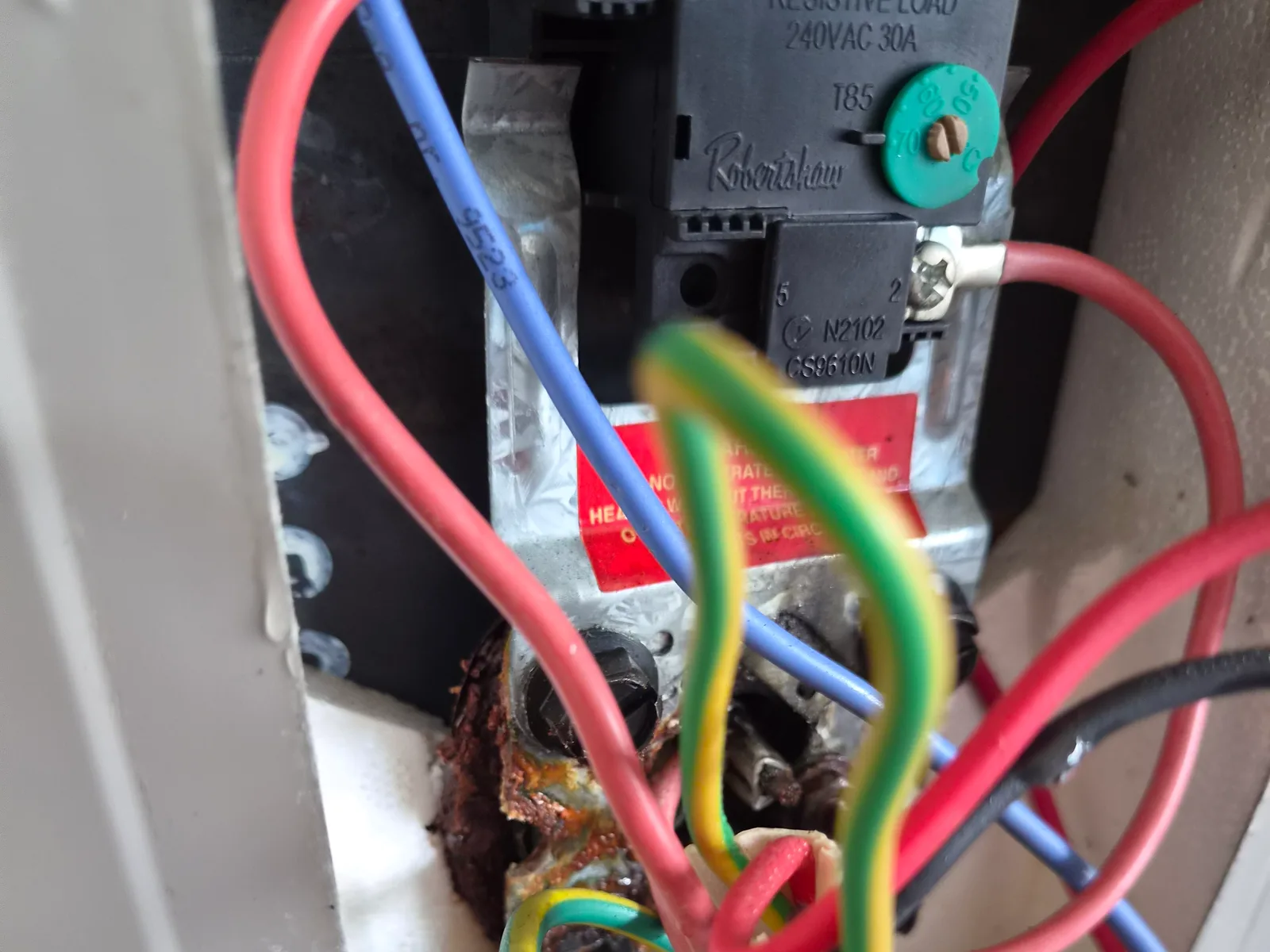
The canals matter for hot water because they change the air. Salt-laden, humid air moving off a tidal canal attacks external metal steadily: mounting brackets, casing screws, relief valves, exposed copper tails and gas burner assemblies. It is common to find a canal-front system whose cylinder is technically sound but whose fittings and casing are past serviceable condition, which is why servicing on these properties needs to inspect the whole installation rather than test the element and move on.
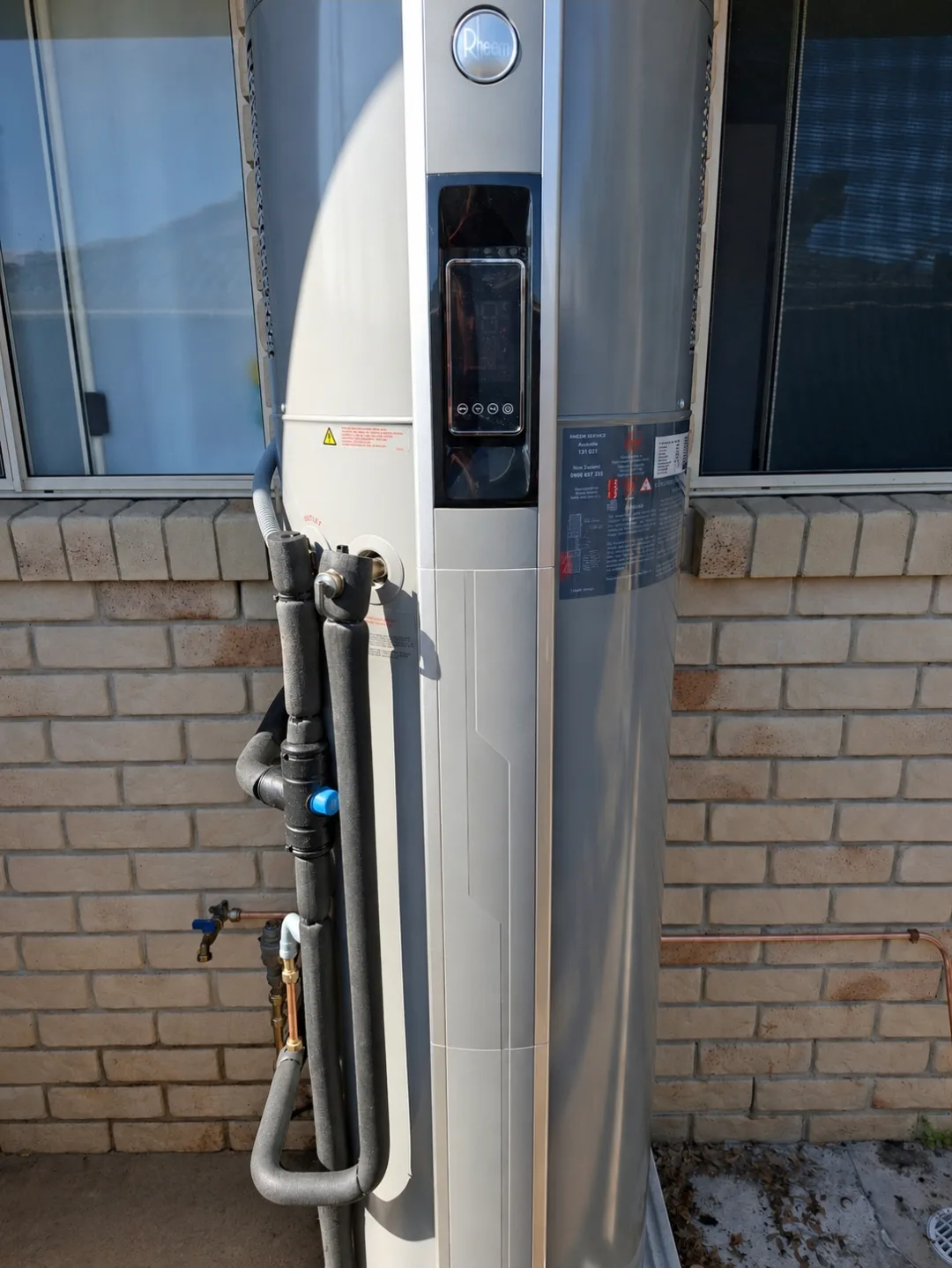
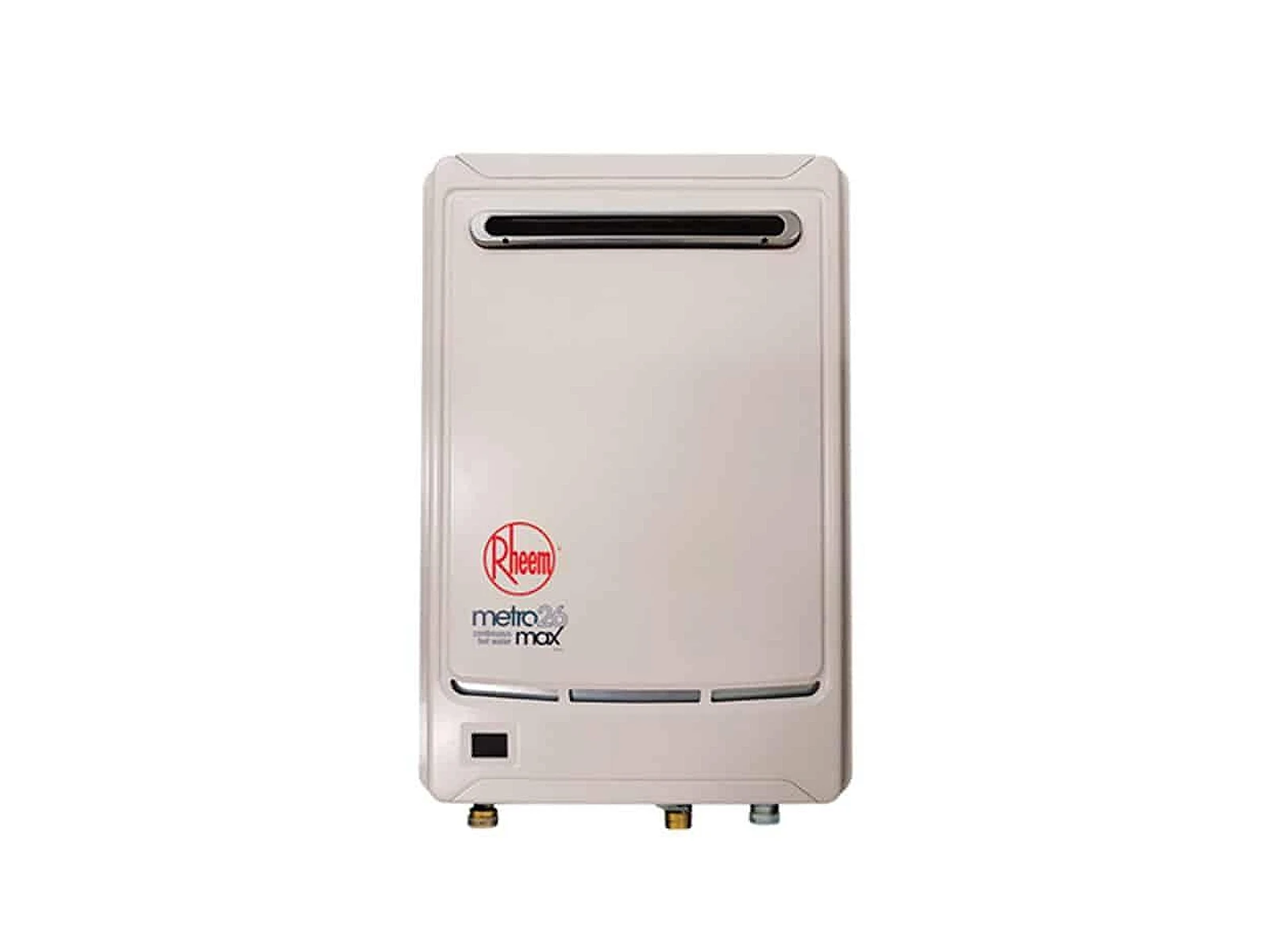
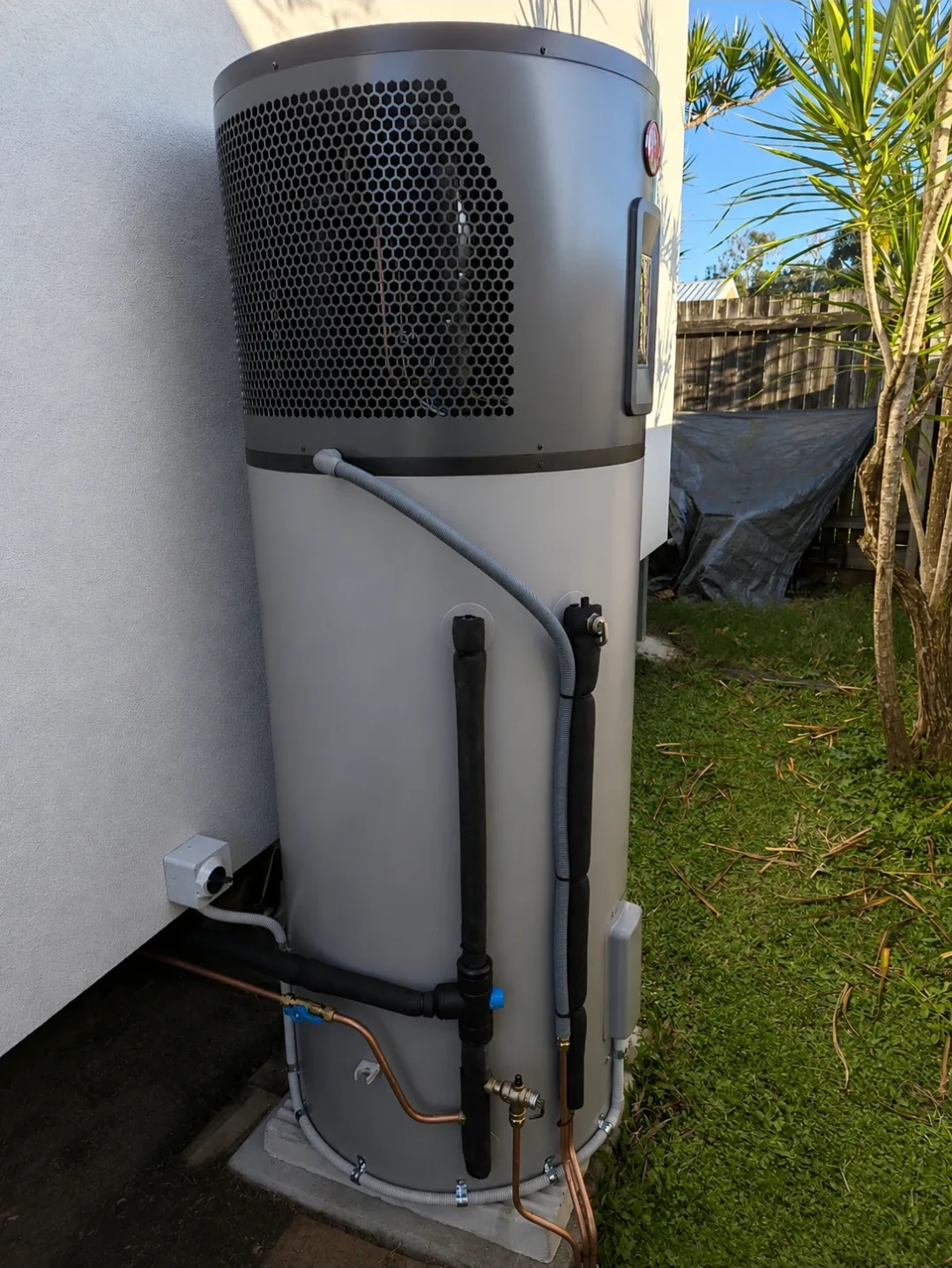
Density matters for a different reason. Townhouses, duplexes and apartments make up most of the newer areas, with narrow side setbacks, shared walls and body corporate control over anything visible or audible externally. That constrains unit dimensions, flue positions and heat pump placement, and it makes physical access for removing an old cylinder a genuine planning question.
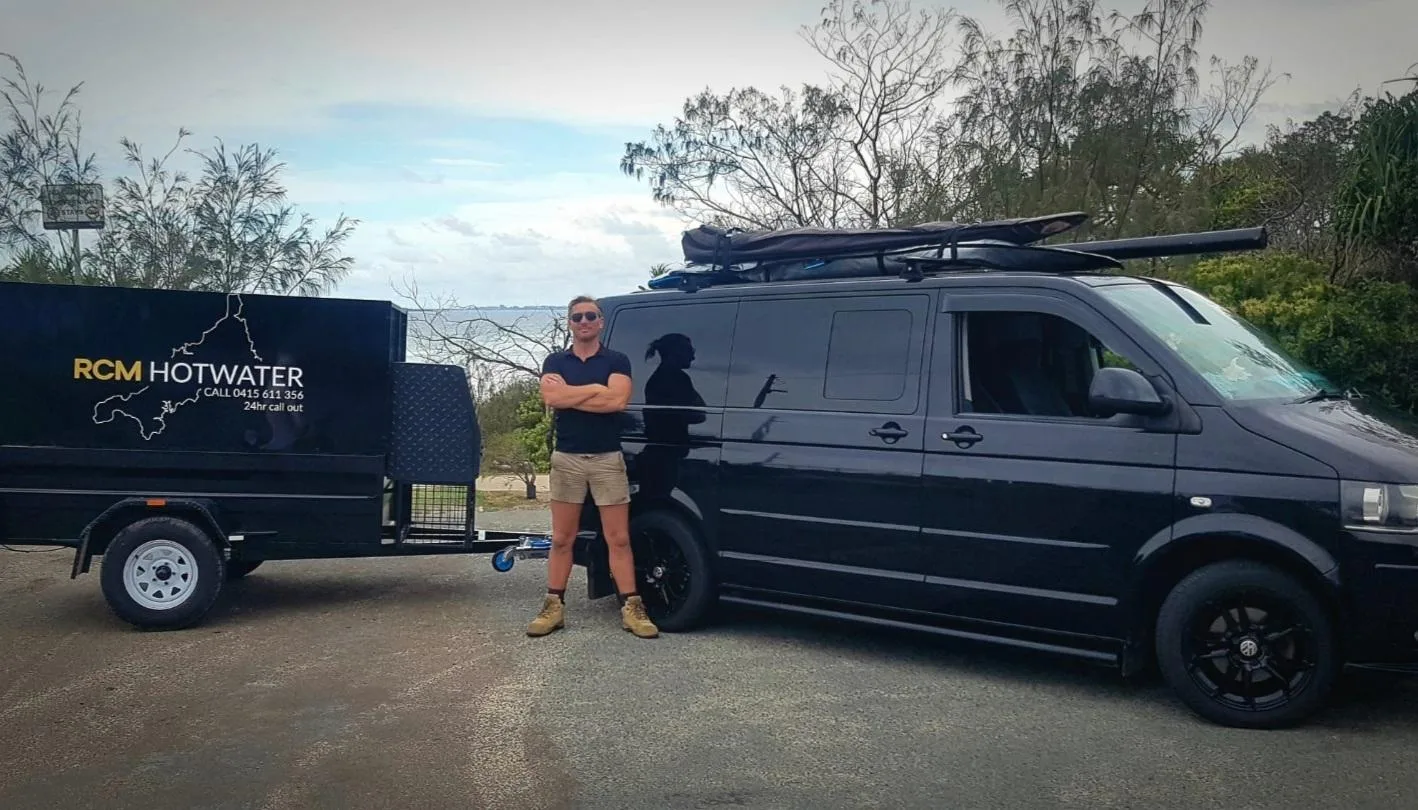
RCM Hot Water addresses both directly: waterfront installations are assessed for corrosion across the whole system and given shorter service intervals, and medium-density jobs are measured and checked against by-law limits before ordering, so hot water systems in Kawana Waters are installed correctly the first time rather than returned and re-ordered.