
Density, Salt and Access: Maroochydore's Hot Water Realities
Maroochydore is the Sunshine Coast's designated principal activity centre, and the Maroochydore City Centre project on the former bowls club and golf course site is progressively adding a genuine high-rise CBD to a region that historically had none. Around it sits an older layer of low-rise units at Cotton Tree, beachfront apartment blocks along Alexandra Parade, and established detached housing inland.
The density is the defining service factor. In a detached house, replacing a hot water system is largely a question of choosing the right unit. In an apartment, it is a question of what will physically pass through the door, fit the cupboard, satisfy flue clearances on a balcony, and be approved where the installation sits on common property. Body corporate rules commonly govern external unit placement, visible flues and noise, which rules out some heat pump positions entirely.
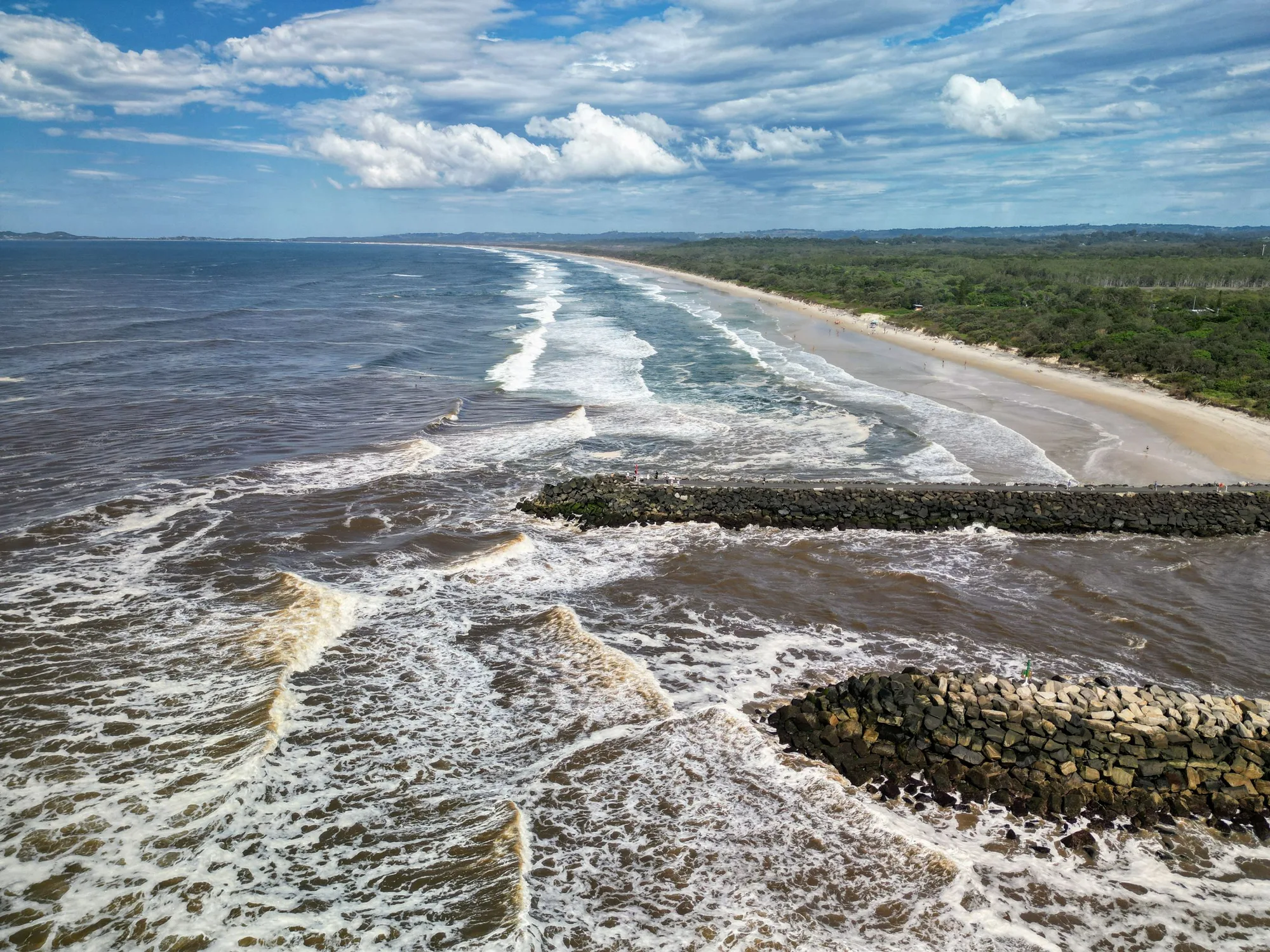
Salt is the second factor. Maroochydore fronts both the open beach and the Maroochy River mouth, and units within a few streets of either weather noticeably faster. It rarely shows up as a dramatic failure, more often as corroded brackets, a weeping relief valve, or a gas burner assembly that will not stay reliable in onshore wind. Ageing units in exposed balcony positions are the most affected.
The third is tenancy turnover. A large share of Maroochydore dwellings are rented or short-stay, so hot water failures are typically reported by a tenant, decided by an agent and paid by an owner, with access controlled by someone else again.
RCM Hot Water handles all three by confirming physical fit and access before ordering, scheduling directly with whoever holds the key, and specifying servicing intervals for salt-exposed positions, so hot water systems in Maroochydore get replaced once, correctly, rather than twice.