

Hot Water in Tewantin: Local Conditions That Change the Job
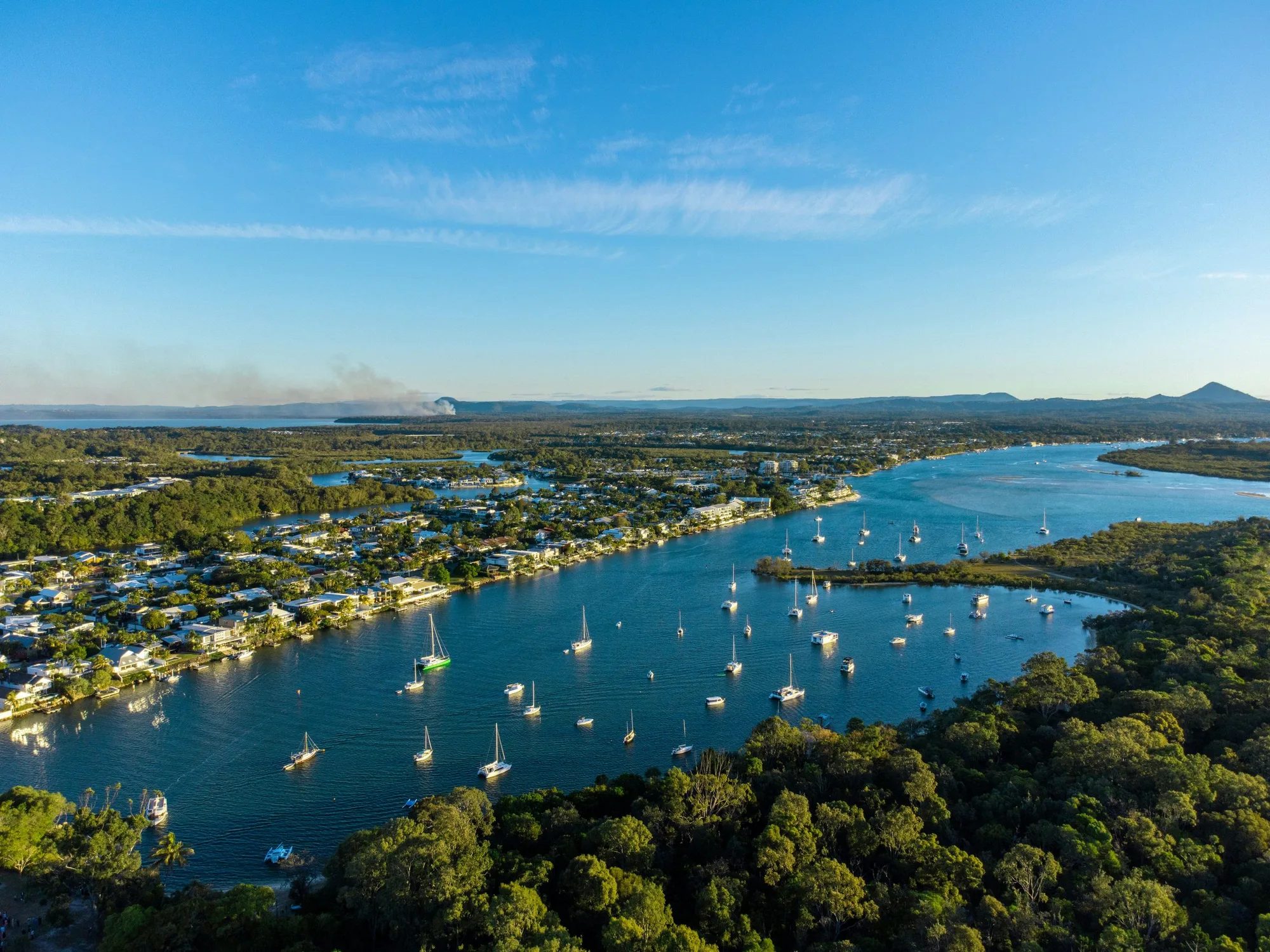
Tewantin was surveyed from May 1871, following permanent European settlement around 1870 as a timber-cutting port, and grew to become the key coach terminus and river port serving the Gympie timber trade, the coach run took eight to ten hours, timed to meet the paddle-steamer Culgoa. That port role made Tewantin one of the area's earliest settlements, and today it is one of the larger towns RCM Hot Water services, with a population of 11,164 at the 2021 census. The town remains the departure point for the vehicular ferry to Noosa North Shore, Great Sandy National Park and K'gari (Fraser Island).
The Noosa River's flood history is extensive and well documented: major events recorded in 1893, 1968, 1992, 2007, 2011, 2013 and 2022. The 1968 flood peaked at two metres at Noosaville and Tewantin, and the 1992 flood, at 1.81 metres, severely affected a dozen homes in the area. That history is directly relevant to any hot water installation on or near the riverbank, a unit sited without that history in mind is a unit likely to be affected again.
Gas is unchanged from the rest of the Noosa hinterland: no reticulated natural gas, so gas hot water systems run on LPG bottles. RCM Hot Water checks a property's flood history and actual position relative to the river before recommending where a system should sit.