


How Bribie's salt and access shape a repair
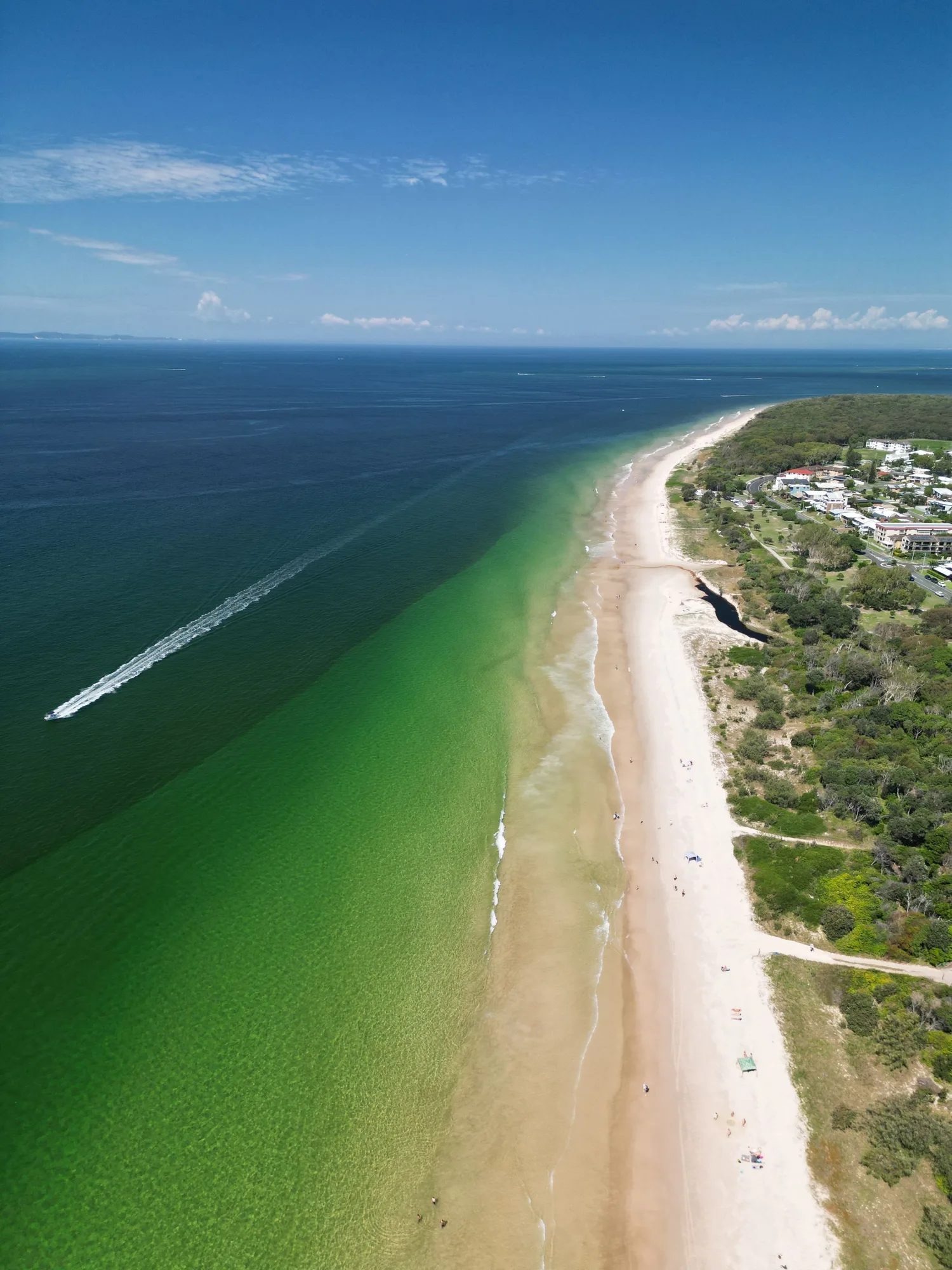
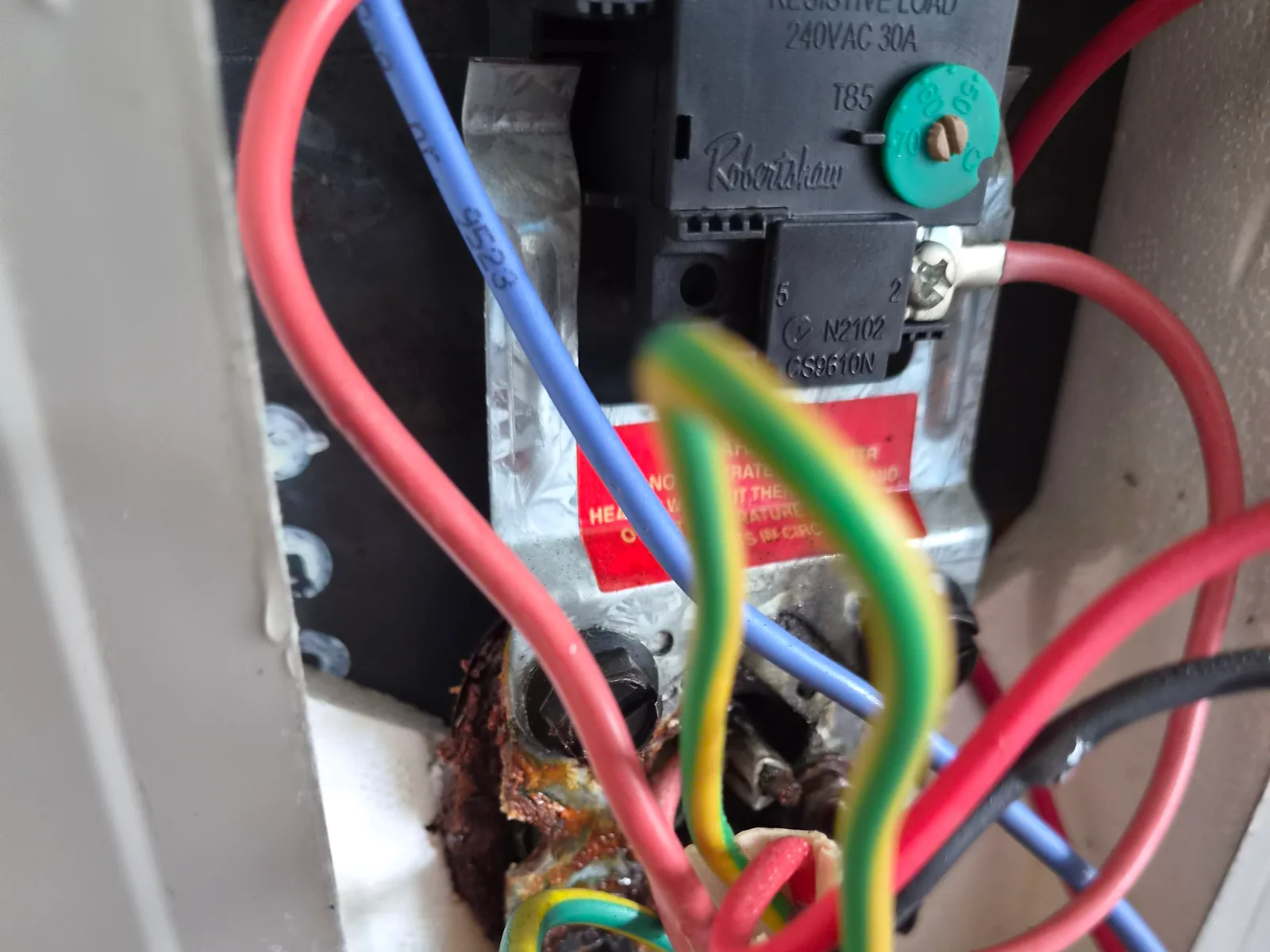
Corrosion is the root of most island repairs, and it starts on the outside. Mounting brackets, casing fasteners, copper tails, relief valves and gas burners all sit in salt-laden air on a sand island with no inland side. Heaters in exposed positions at Woorim, facing the open ocean, weather fastest. The result frustrates owners: a heater can be close to unserviceable while its cylinder is still sound and still under the tank warranty.
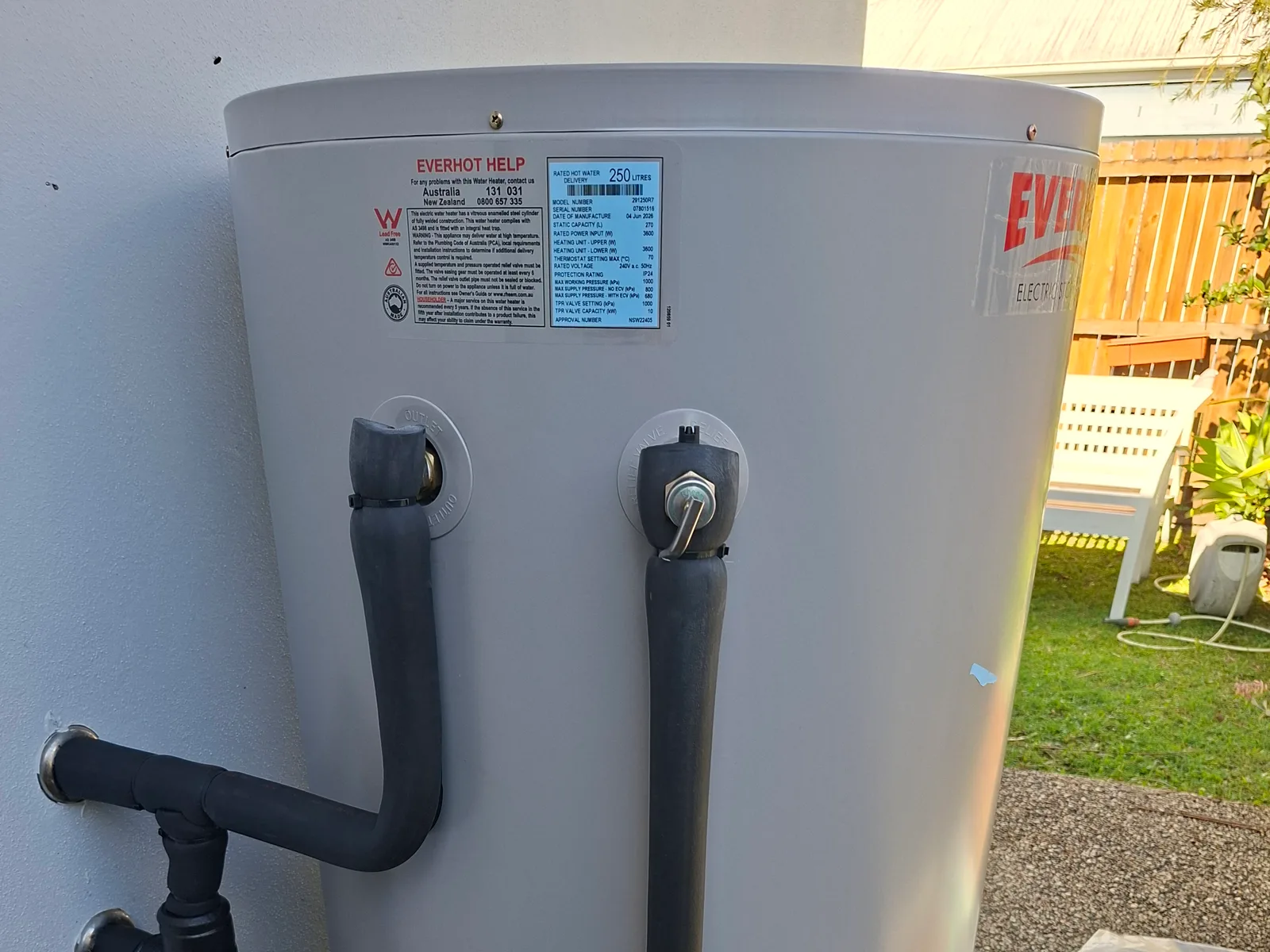
That is why a Bribie repair visit looks wider than the reported fault. If Richard is replacing a seized relief valve, he also checks the brackets, the other valves and the gas train, and tells you what has a few years left and what does not. You get one decision on the day rather than three call-outs across the bridge over the next year.
Safety carries more weight here than in most suburbs. The island has a large population of older residents, and a tempering valve that has drifted out of range can deliver water hot enough to scald. A heater that fails without warning in those households is a welfare issue as much as an inconvenience, so delivery temperature is verified on every repair.
While you wait, turn off the water to the heater if it is leaking, leave a tripping circuit off and keep clear of the LPG side. If you smell gas, ventilate only if it is safe and ring straight away. Phoning early in the day gives the best chance of fitting the island into that day's run.