
Rainwater, pumps and no mains gas around Beerwah
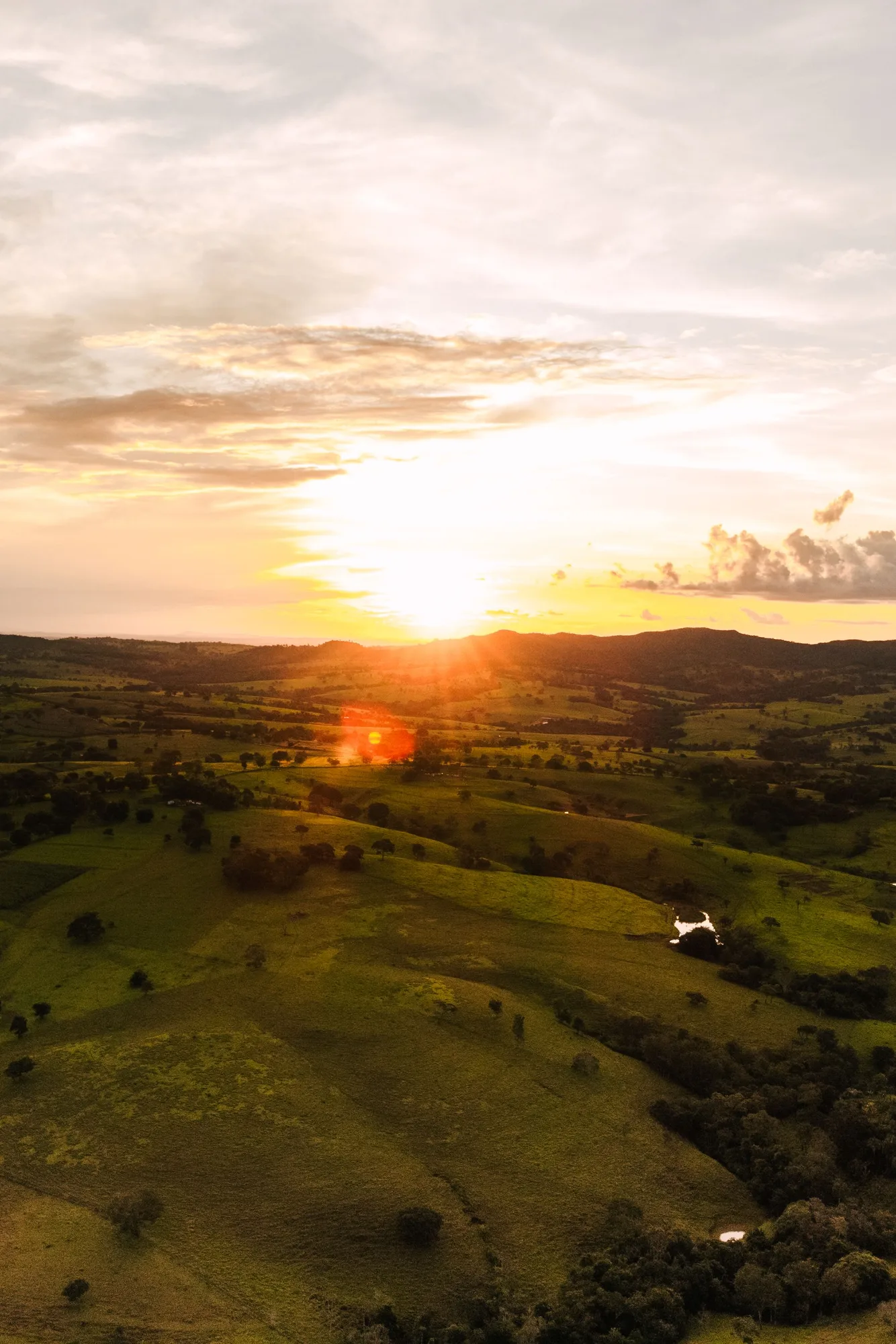
Beerwah sits at the foot of the Glass House Mountains, a compact town centre ringed by acreage, small farms and rural residential blocks. Large lots, long driveways and properties off the reticulated water network shape almost every repair call, because the system's supply is part of the system.
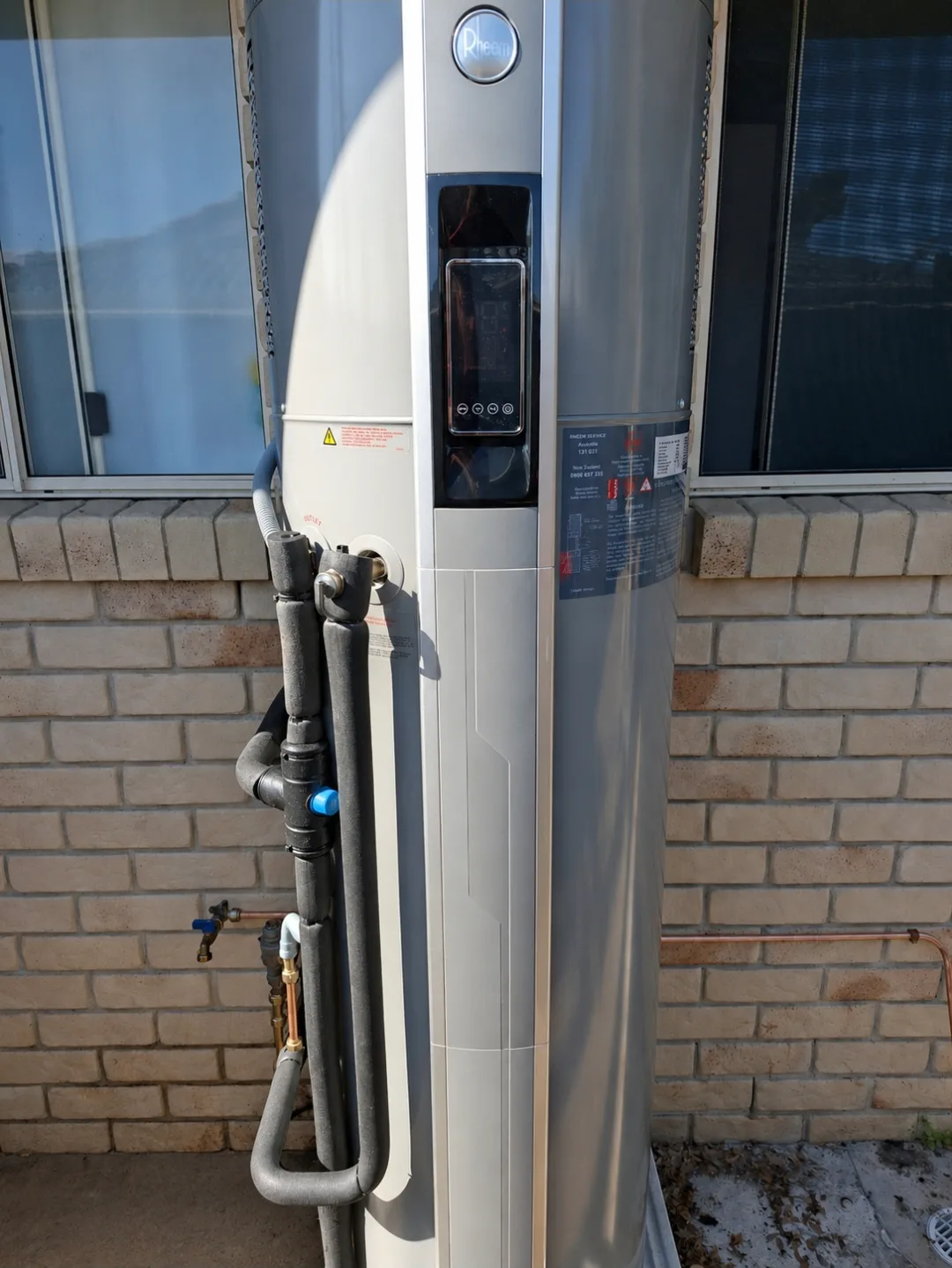
Rainwater is the first source of faults. It is soft and usually slightly acidic, so it uses up a sacrificial anode quickly and then starts on the cylinder lining. It also carries sediment off the roof, which collects in the base of the tank, makes it rumble and burns out the lower element. Owners often take that for a bad brand. It is water chemistry, and the repair is an element, a flush and the right anode rather than a new heater.
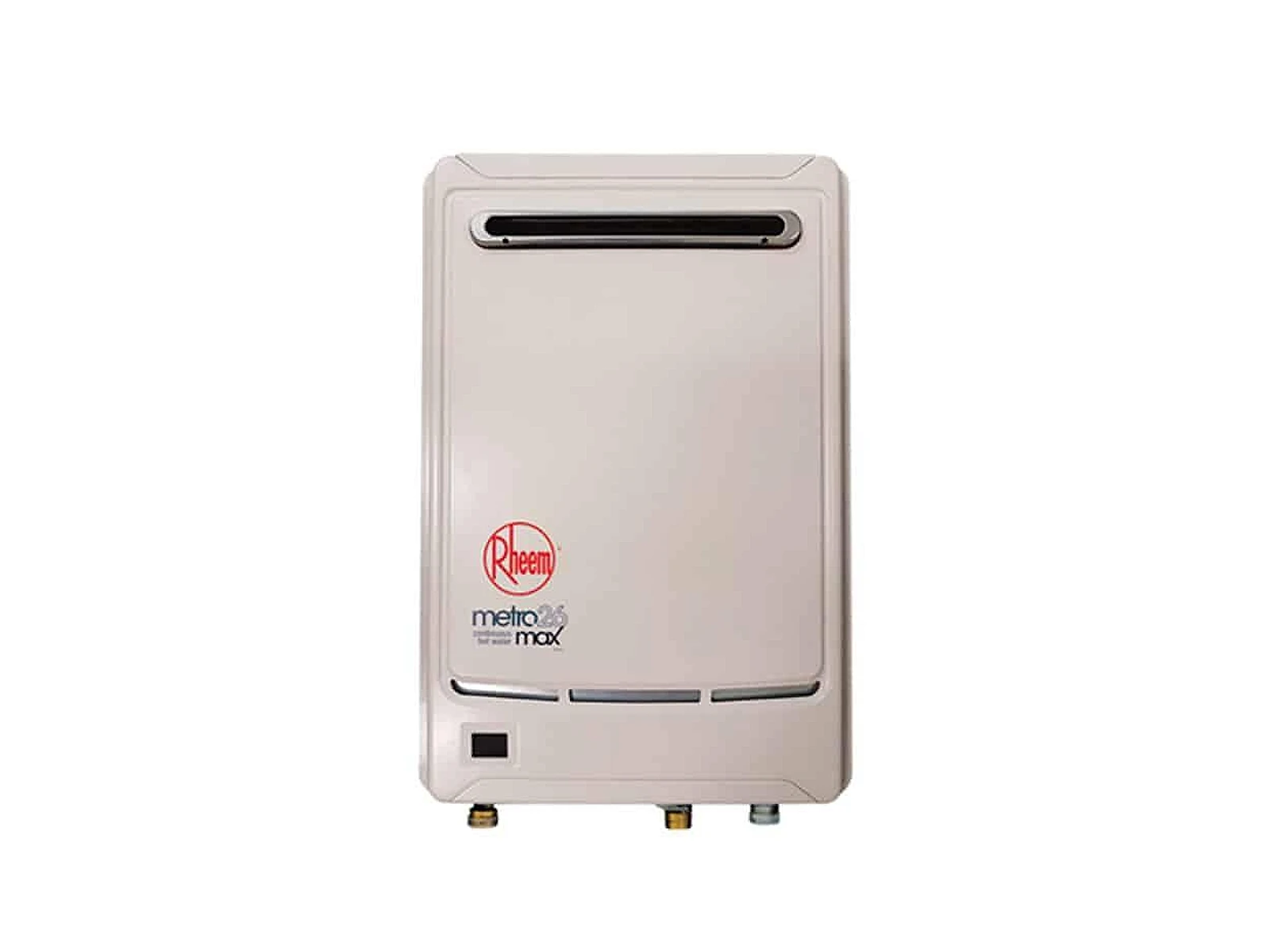
The pressure pump is the second. If the pump cuts in at the wrong pressure, or an inlet filter is part blocked, flow can drop below what a continuous flow unit needs to keep its burner lit. The result is hot and cold bursts that look exactly like a heater fault. Checking the supply first is what separates a pump adjustment from an unnecessary gas repair.
Energy is the third. There is no reticulated natural gas in the district, so gas systems run on LPG bottles, and a unit that will not light may have an empty cylinder or a worn regulator. Rural power outages also run longer than on the coast, which can leave heat pumps and electric tanks showing faults after the power returns. Richard checks all three before quoting a repair on a Beerwah system.