

What Caloundra's two halves do to a hot water system
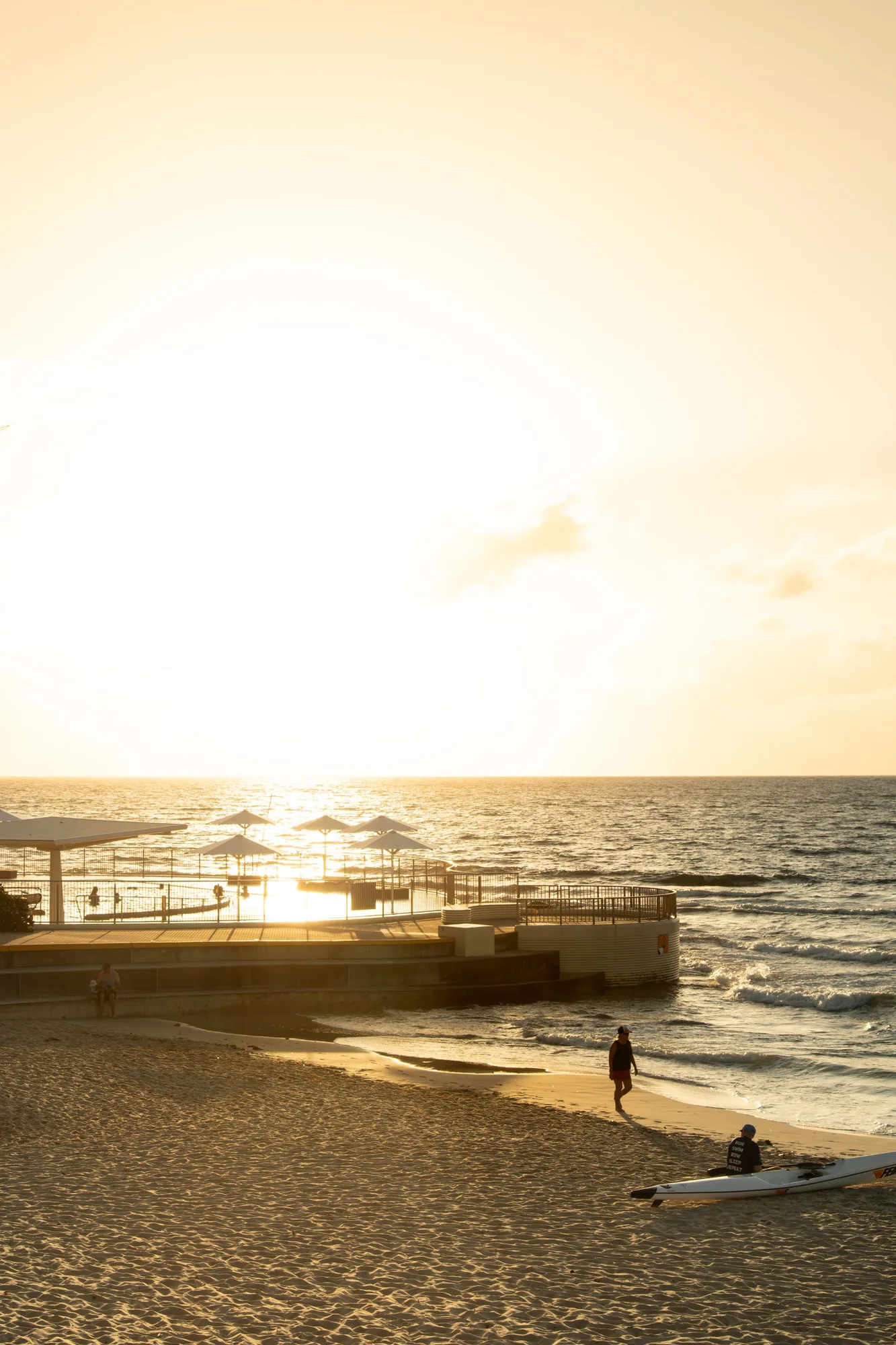
Caloundra is really two places for repair work. The established coastal suburbs of Kings Beach, Moffat Beach, Shelly Beach and Golden Beach carry post-war beach houses and low-rise unit blocks from the 1960s to the 1980s. To the west, the Aura development at Caloundra South is delivering master-planned, all-electric suburbs such as Baringa and Nirimba.
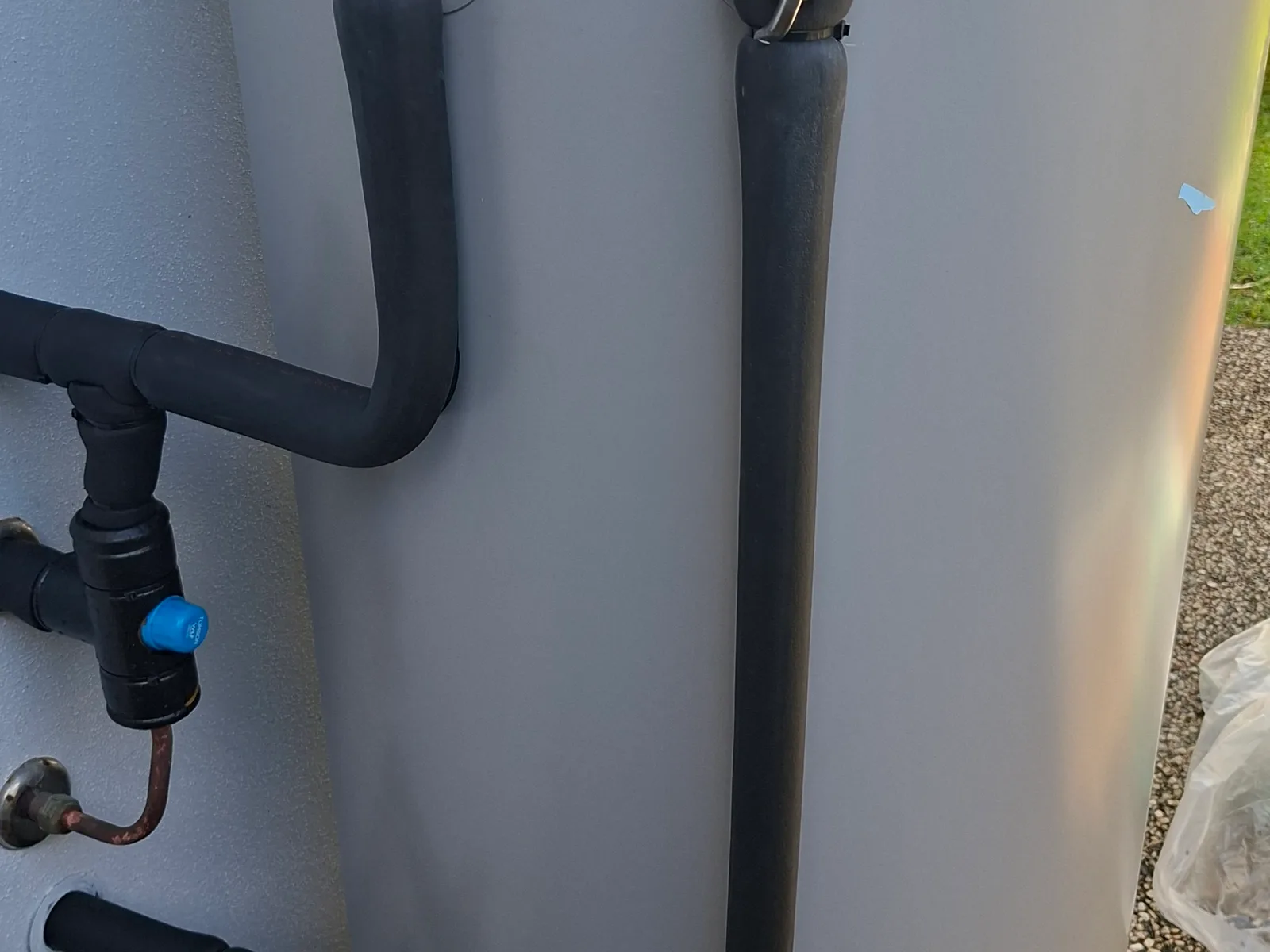
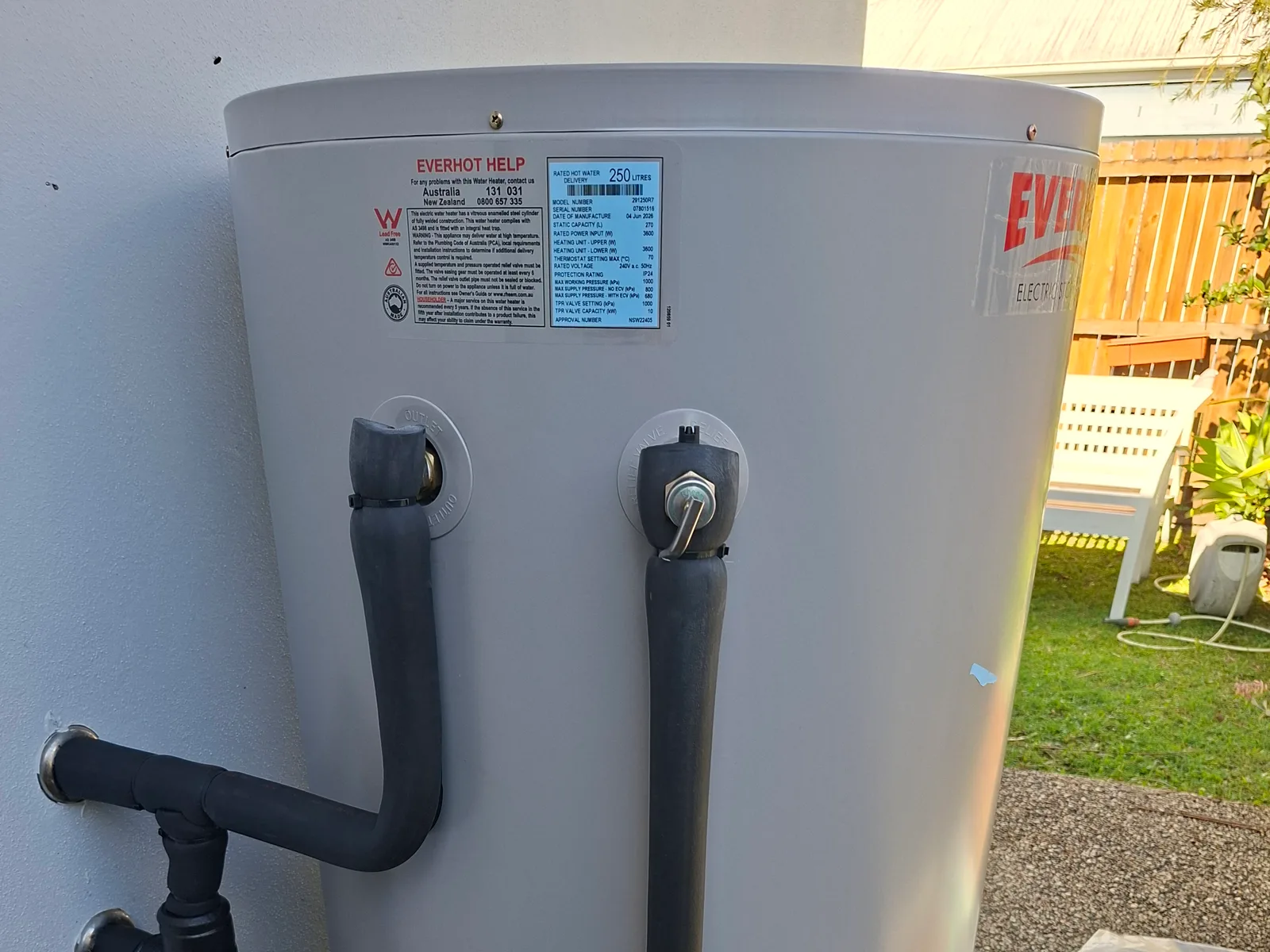
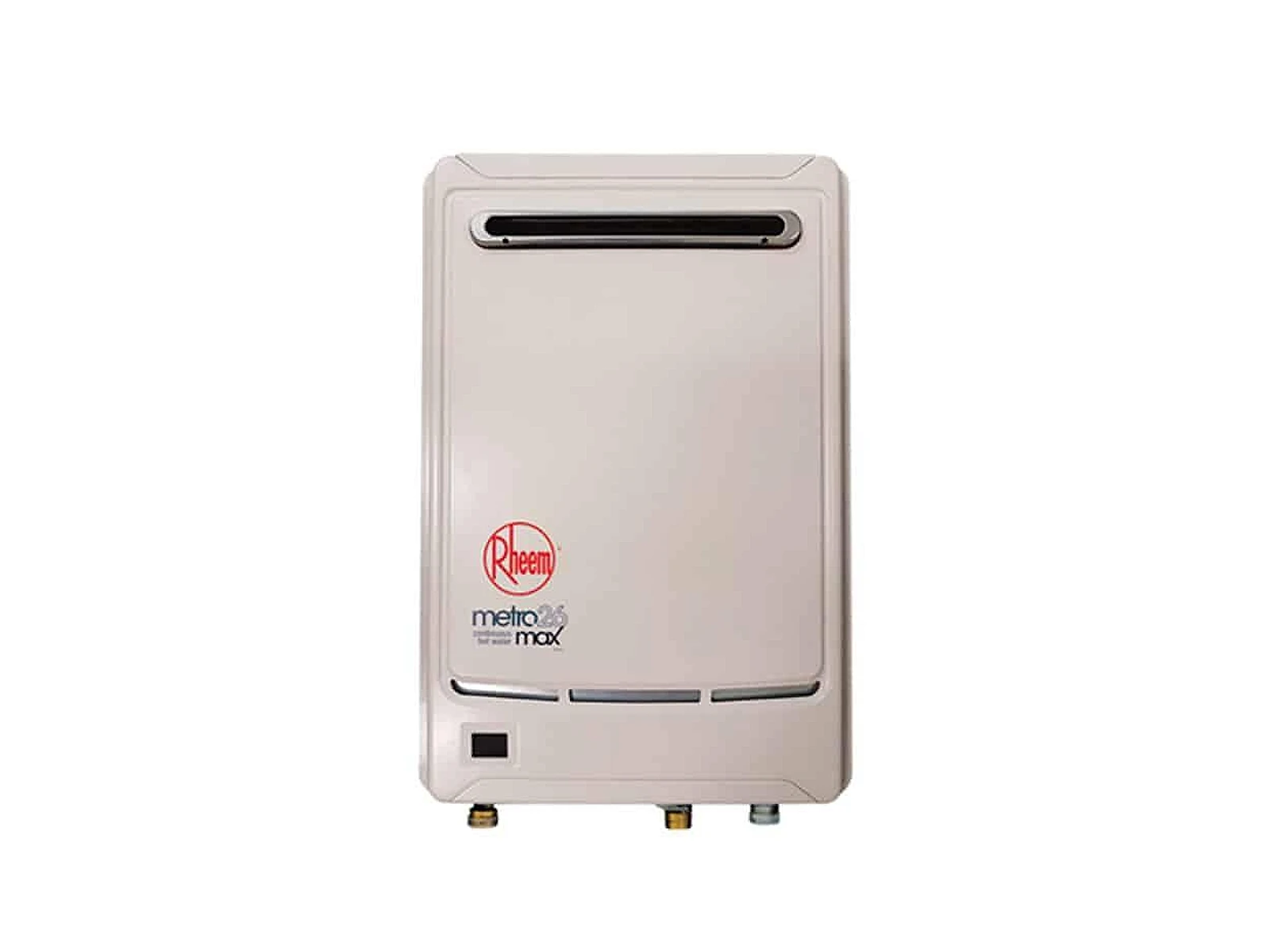
On the coast, marine air goes after metal outside the tank long before it reaches the cylinder. Mounting brackets, casing screws, exposed copper, relief valves and gas burner parts corrode steadily. A unit can stop working because of a seized valve or a salt-damaged burner while the tank itself is still sound, and that is the case where a repair is clearly worth doing. Many of these units also sit in narrow side setbacks, which affects how long any repair takes.
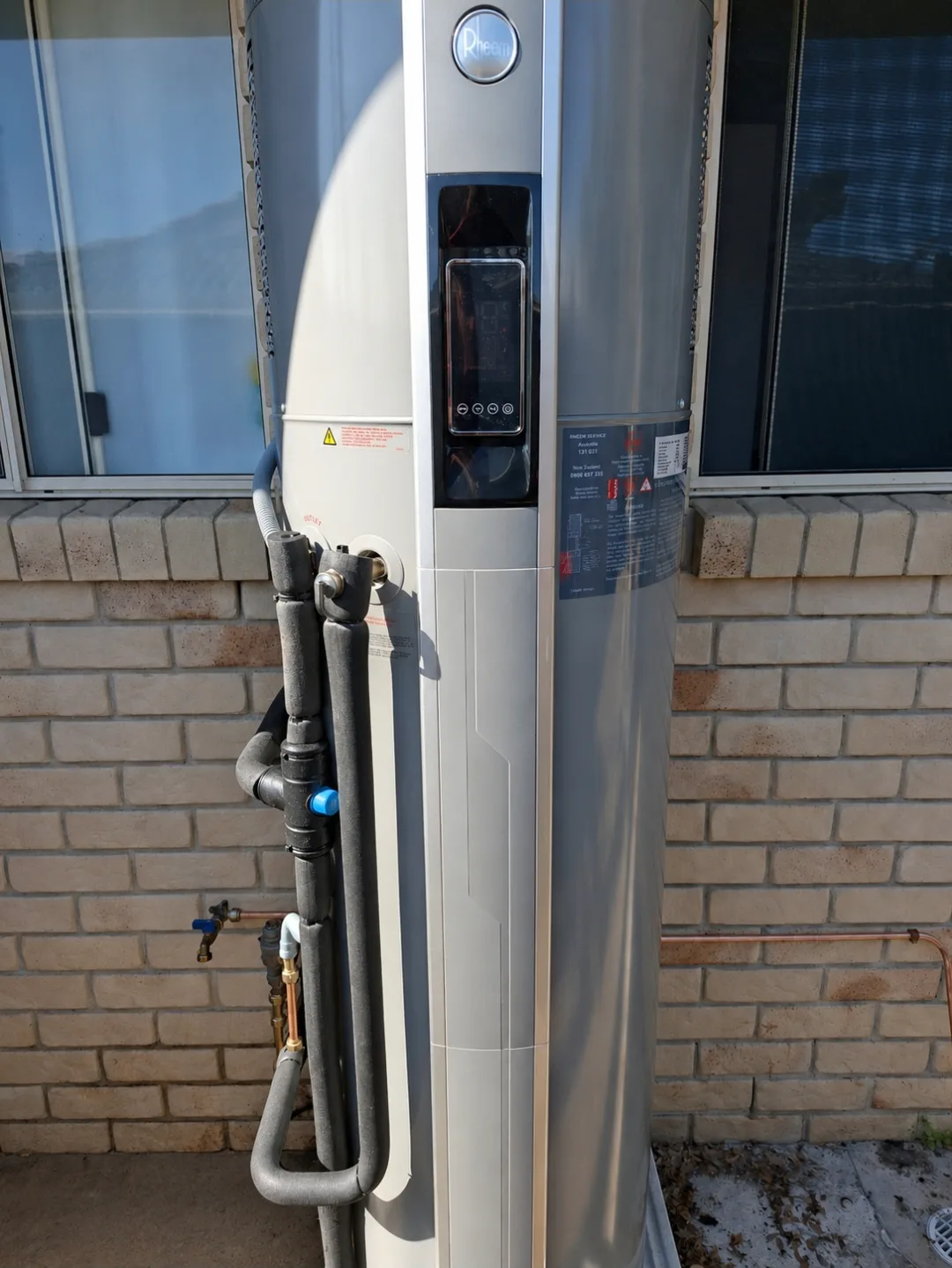
In the western estates there is no reticulated natural gas, so faults are electrical or heat pump faults. An electric tank on a controlled off-peak tariff that runs out every evening may be undersized for the household rather than broken. A heat pump showing an error code may need a sensor or a controller. Richard separates a genuine fault from a sizing or tariff problem before recommending a part, because a new element will not fix a tank that was always too small.
The decision point is the cylinder. When the steel has corroded through and water is leaving the tank body, no repair is safe or legal, and Richard will say so. When the tank is sound, almost everything else on a Caloundra system can be replaced, and most of those repairs are routine.