

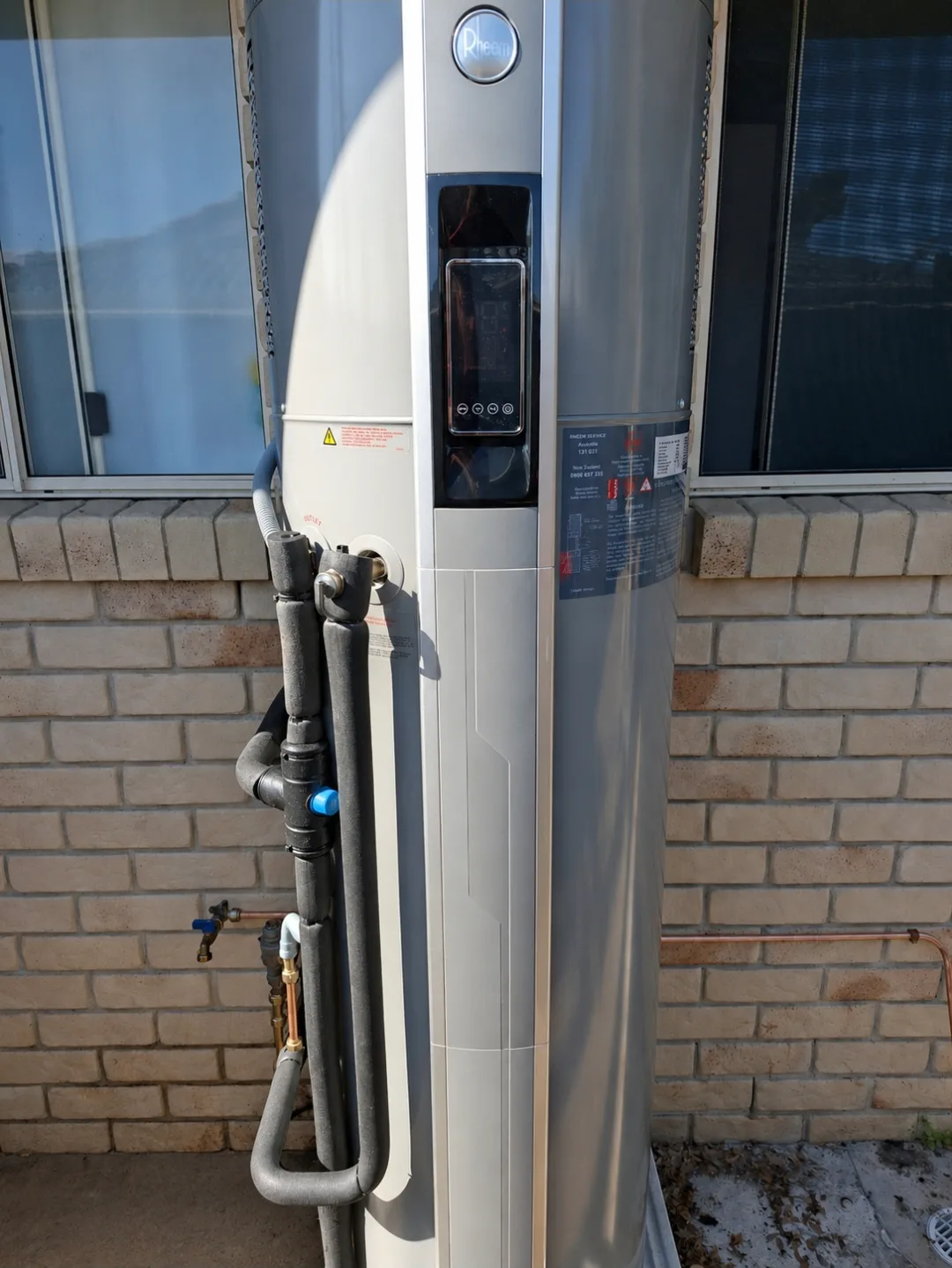
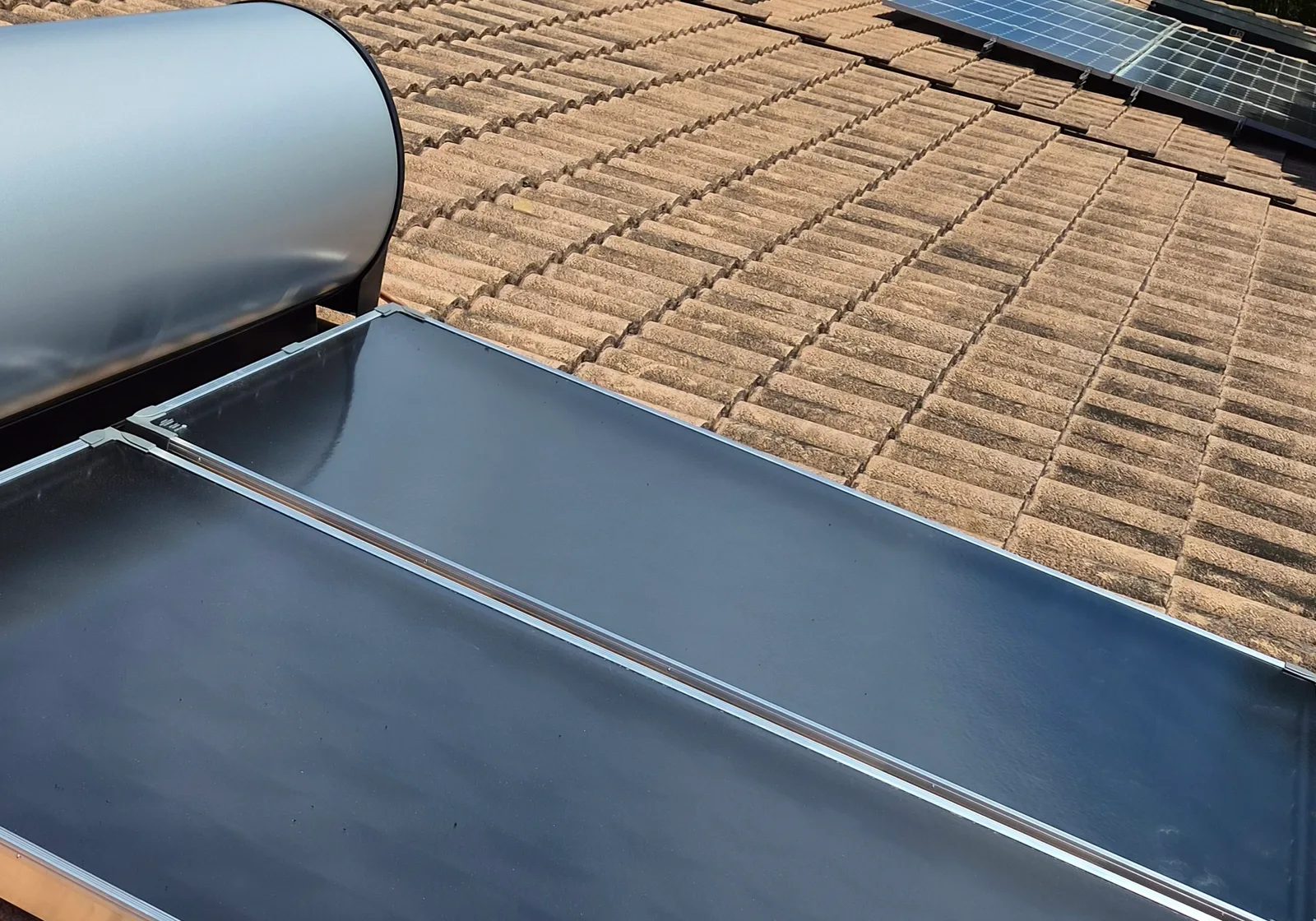

What bore water and farm supply do to a heater between the peaks

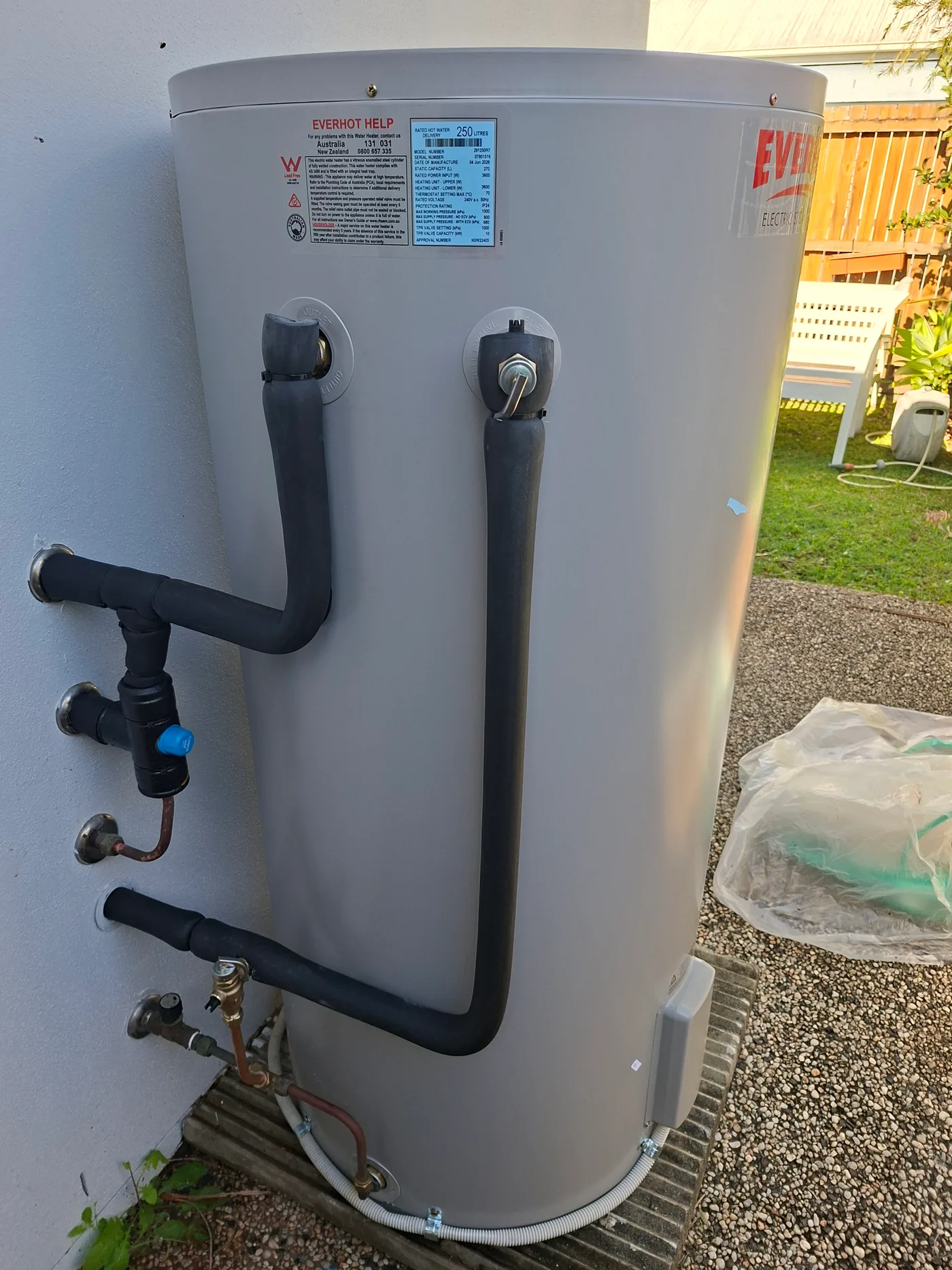
Iron is the fault most owners see first. Groundwater in the district often carries dissolved iron that stays invisible when cold, then drops out when heated. It discolours the first hot draw of the day, stains basins and laundry, and gathers as sludge in the base of the tank. That sludge is what an element sits in, and a coated element runs hot and fails early. Replacing it without a flush simply restarts the clock.
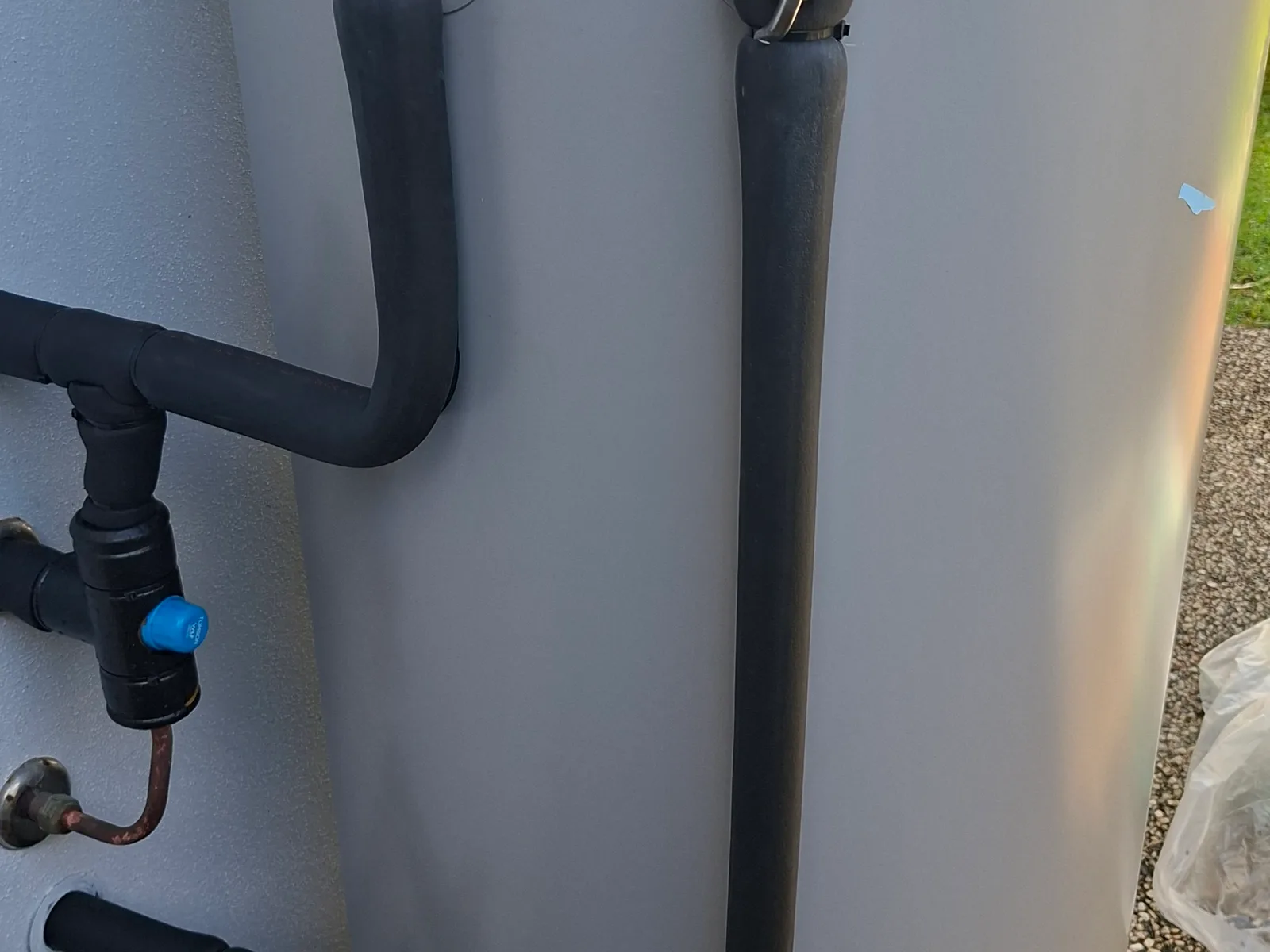
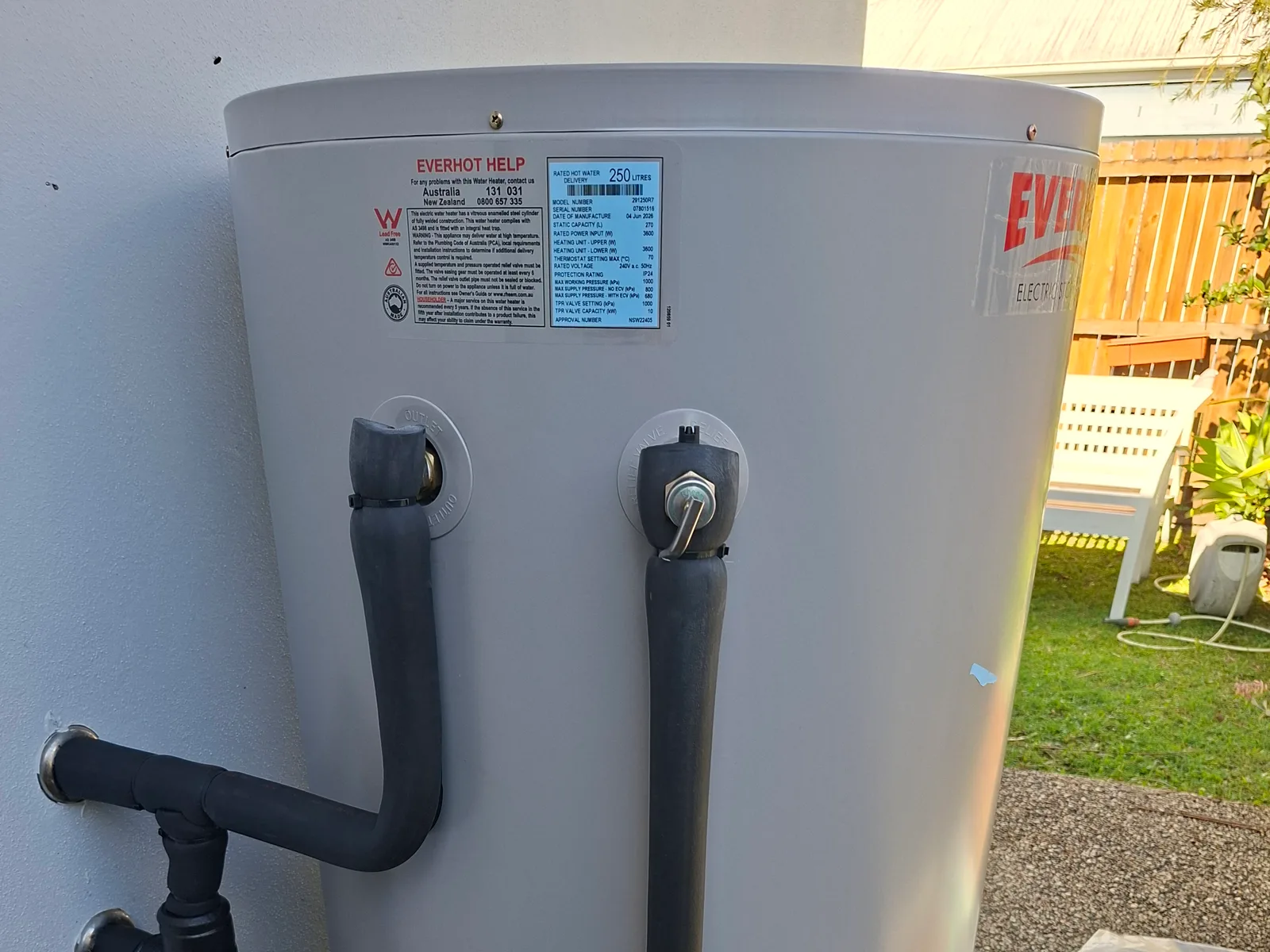
The anode is the second casualty. Mineral content consumes the sacrificial anode much faster than on treated town water, and once it is gone the cylinder lining is the next thing to corrode. An anode that lasted three years here is not a sign of a bad product. It is a sign that the interval, and sometimes the anode type, needs to suit the water. Checking it at the repair visit costs far less than a corroded cylinder later.
Pressure and demand cause the third group of complaints. A shed, packing area, second dwelling or outdoor shower can share the pump and the line with the house. Temperature that swings, or hot water that runs short, may be a demand problem rather than a failed part, and no thermostat will fix that. Richard asks what else draws from the supply so he does not replace a working component.
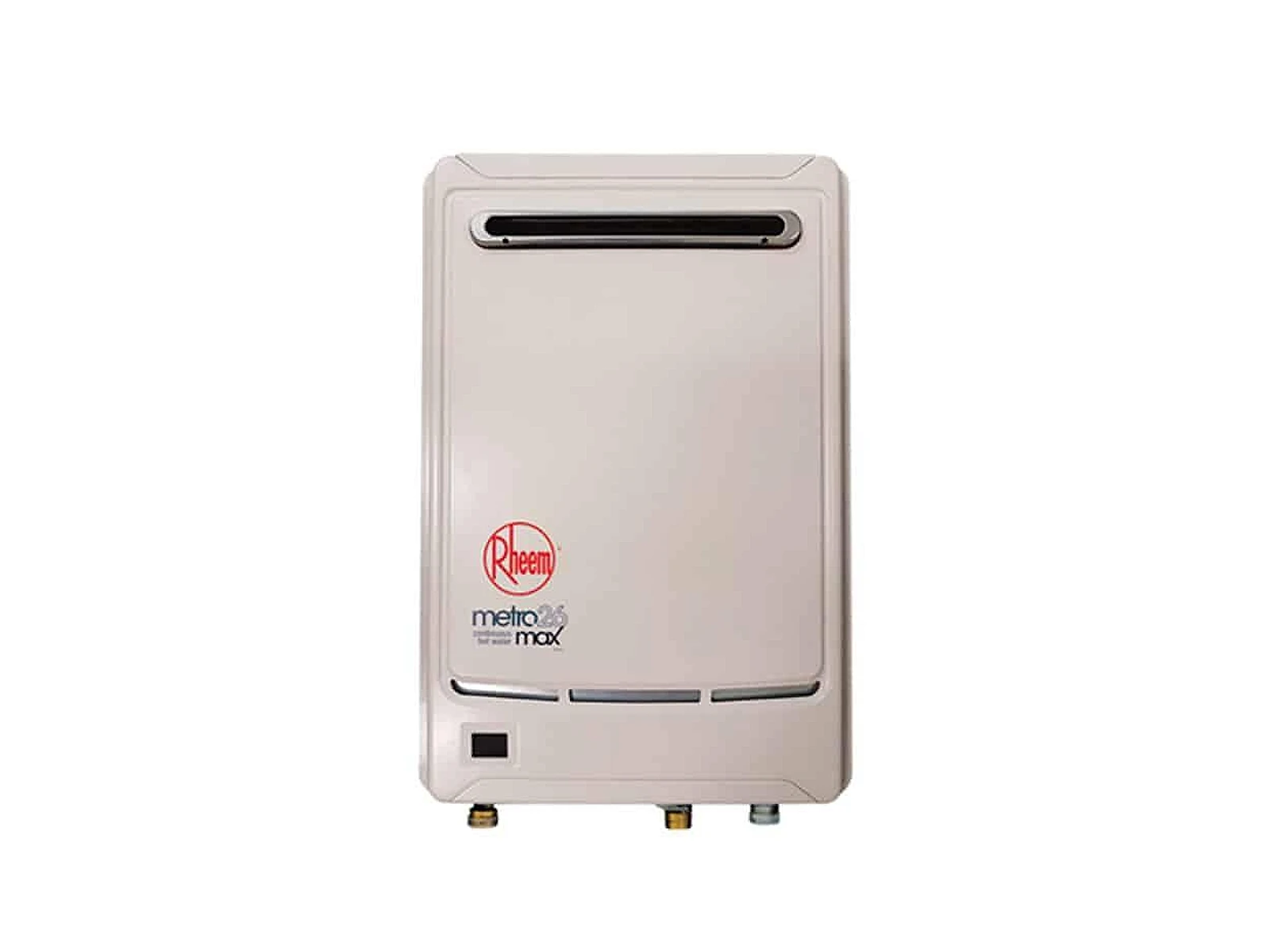
While you wait, turn off the cold supply to the heater if water is escaping, and leave a tripping circuit switched off. Do not open panels or work on the LPG side yourself. Mention the water source, where the heater sits and any gate arrangements when you book, so the right parts are on board.