
Cold, wet and tank-fed: Maleny repair conditions
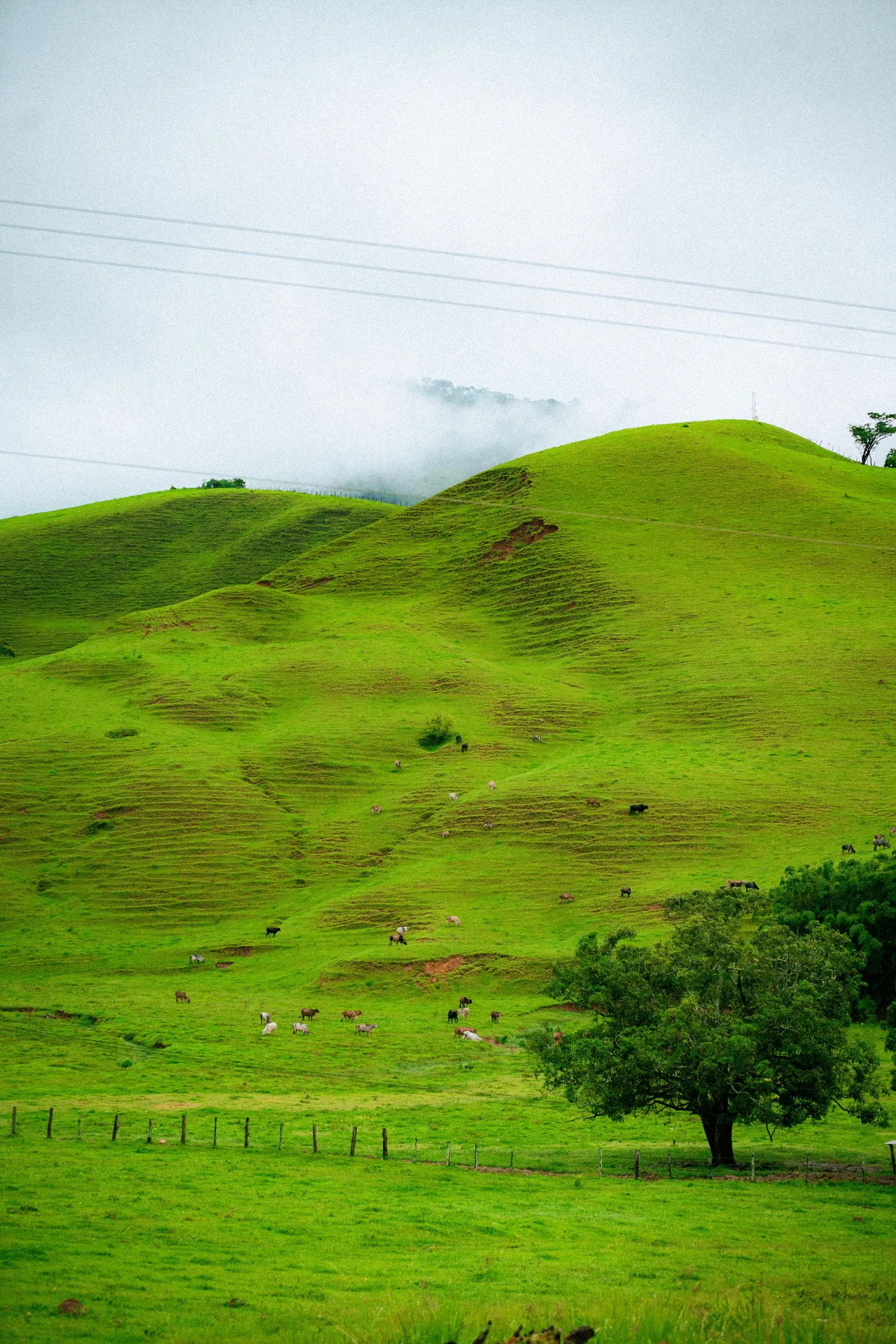
Maleny sits on the Blackall Range at roughly 450 to 500 metres above sea level. Winter minimums are consistently several degrees below the coast, the range records much higher annual rainfall, and fog and low cloud are common in the cooler months. Those three conditions explain most of the repair calls up here.
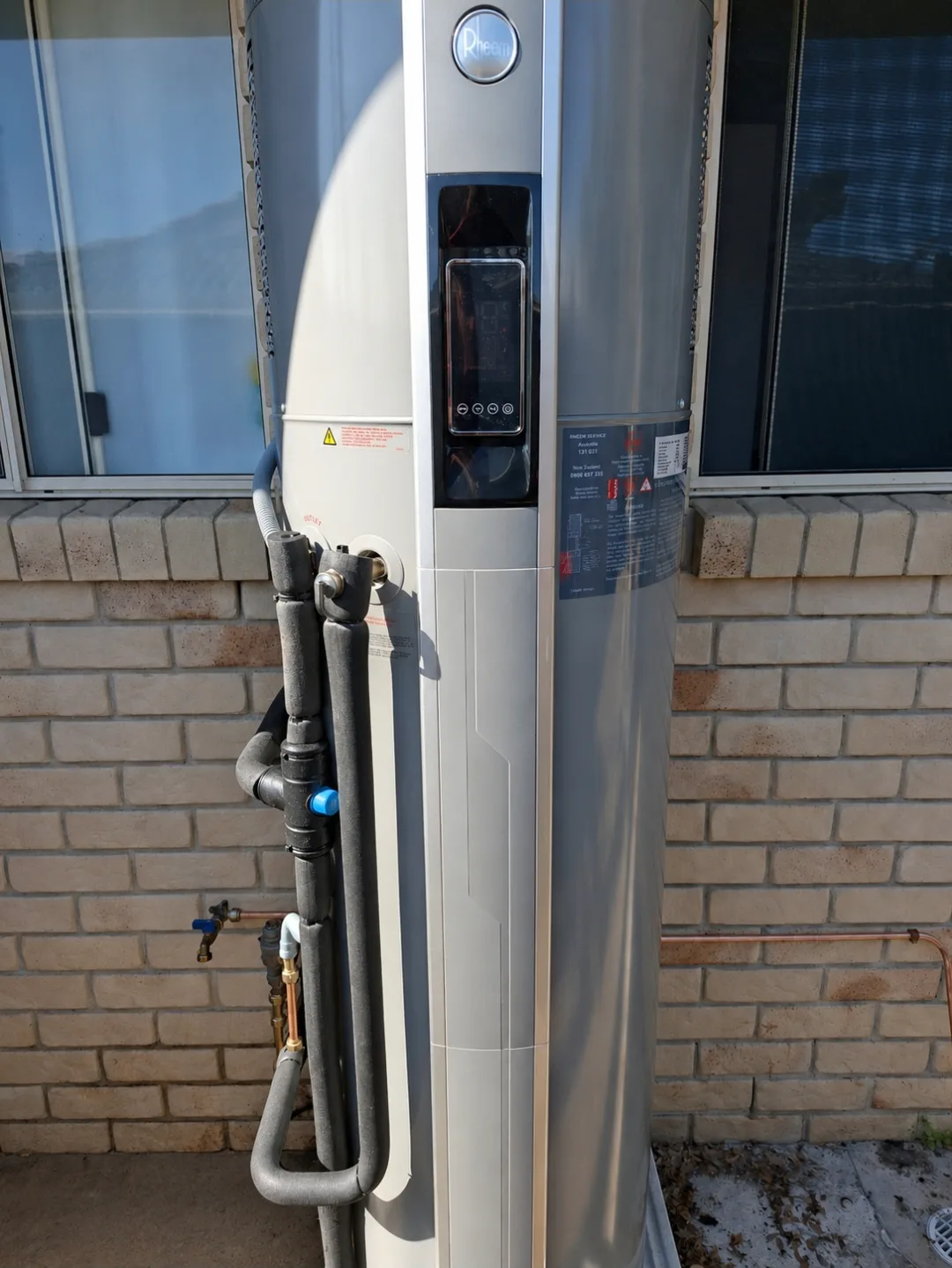
Cold first. Colder inlet water means a storage tank takes longer to heat and recovers more slowly between showers. A tank that was always borderline for the household will run short in July without anything being broken. A failed lower element produces the same symptom, which is why the elements and thermostat are tested before anyone talks about sizing. Heat pumps keep working at range temperatures, but they slow on the coldest mornings, and a unit sited in deep shade or with poor airflow can start reporting faults.
Rain and damp second. Standing water and constant moisture around the base of a unit shorten the life of mountings and casings, and moisture can reach exposed electrical connections. On older timber homes, systems often sit under the house or on a slope, which affects how a repair is reached and how long it takes.
Water and fuel third. Acreage properties run on rainwater, which uses up standard anodes quickly and leaves sediment in the tank. There is no reticulated natural gas on the range, so gas units depend on LPG bottles and regulators. Longer power interruptions than on the coast can also leave electric and heat pump systems showing faults afterwards. Each of those is checked before a repair is quoted on a Maleny system.