


Why Nambour hot water faults look the way they do

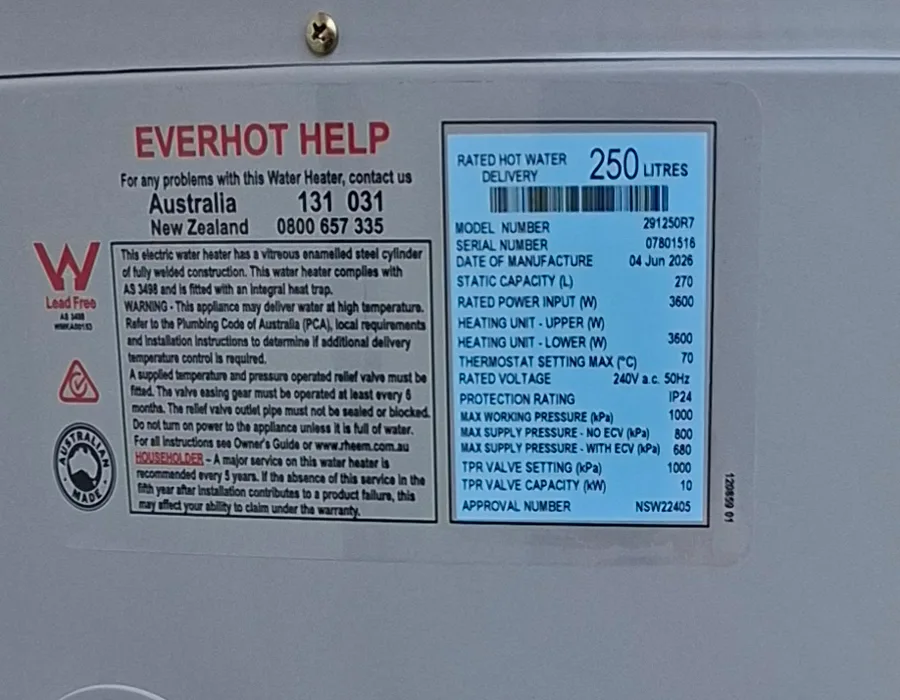
Nambour was the region's administrative and commercial centre long before the coastal strip grew, and much of its housing predates the coastal boom: timber houses on stumps, post-war cottages, mid-century brick and converted flats. For repairs, that history means older systems in original positions, on pipework and electrical supply that may not have been reviewed in decades.
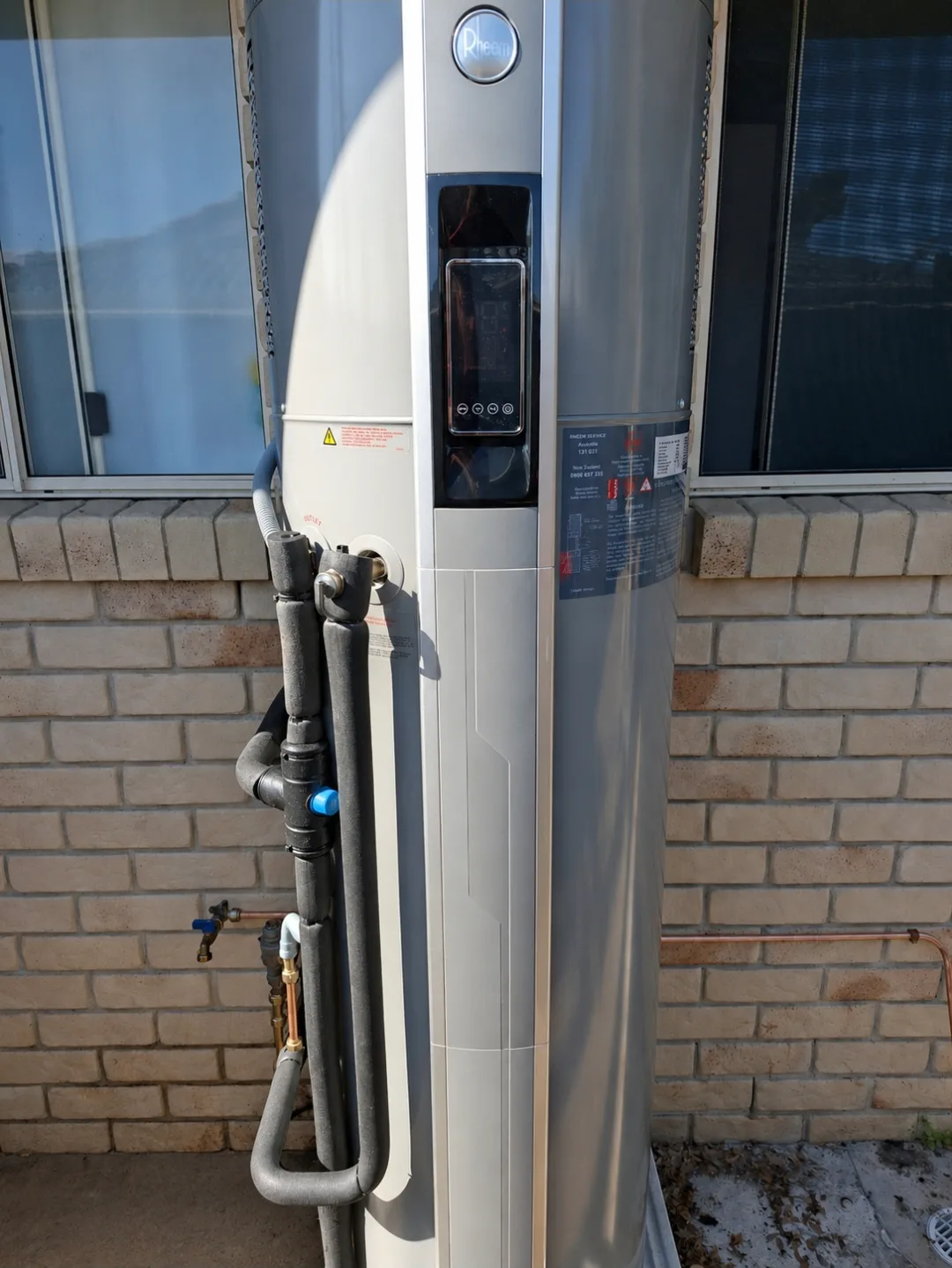
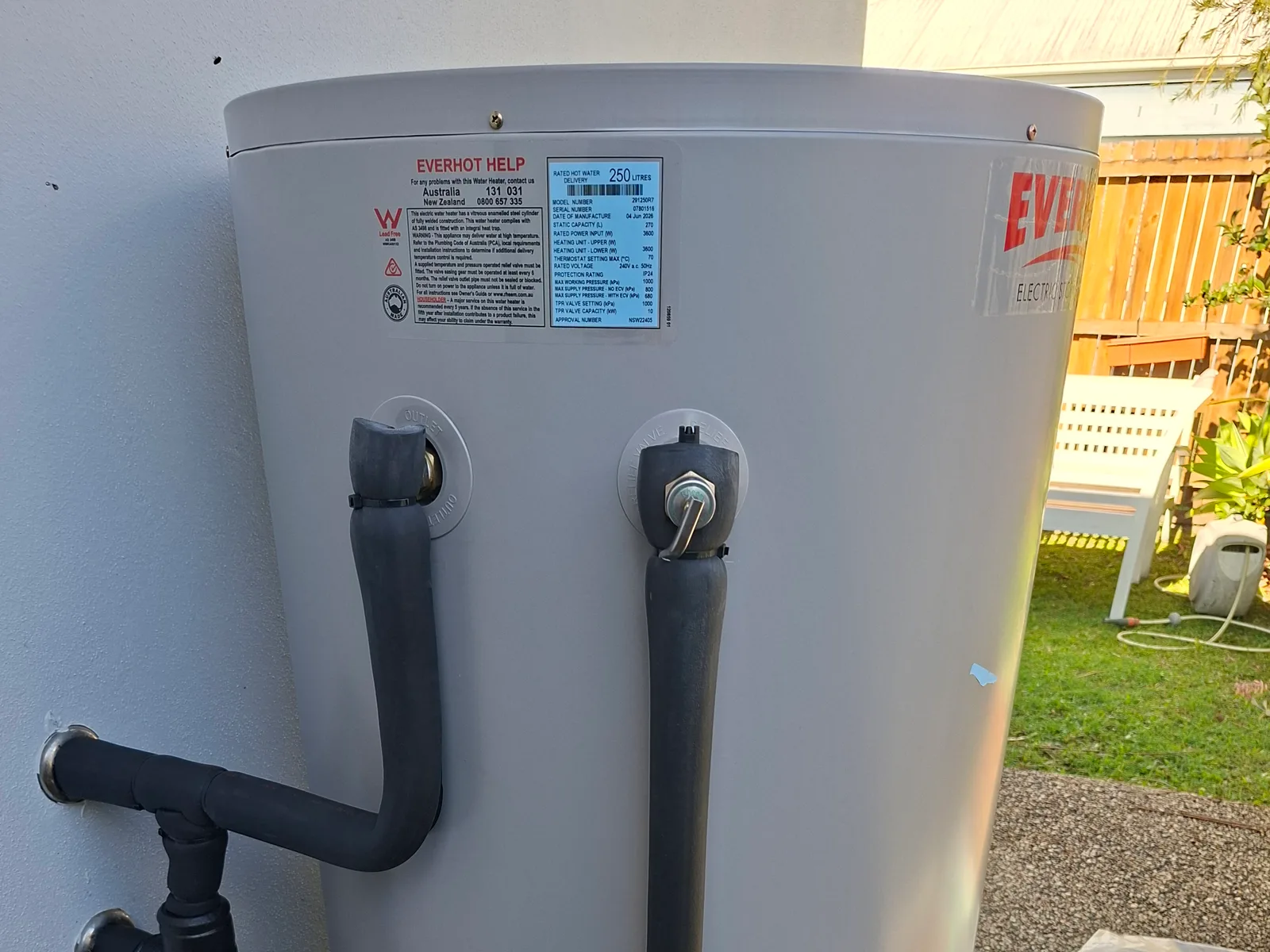
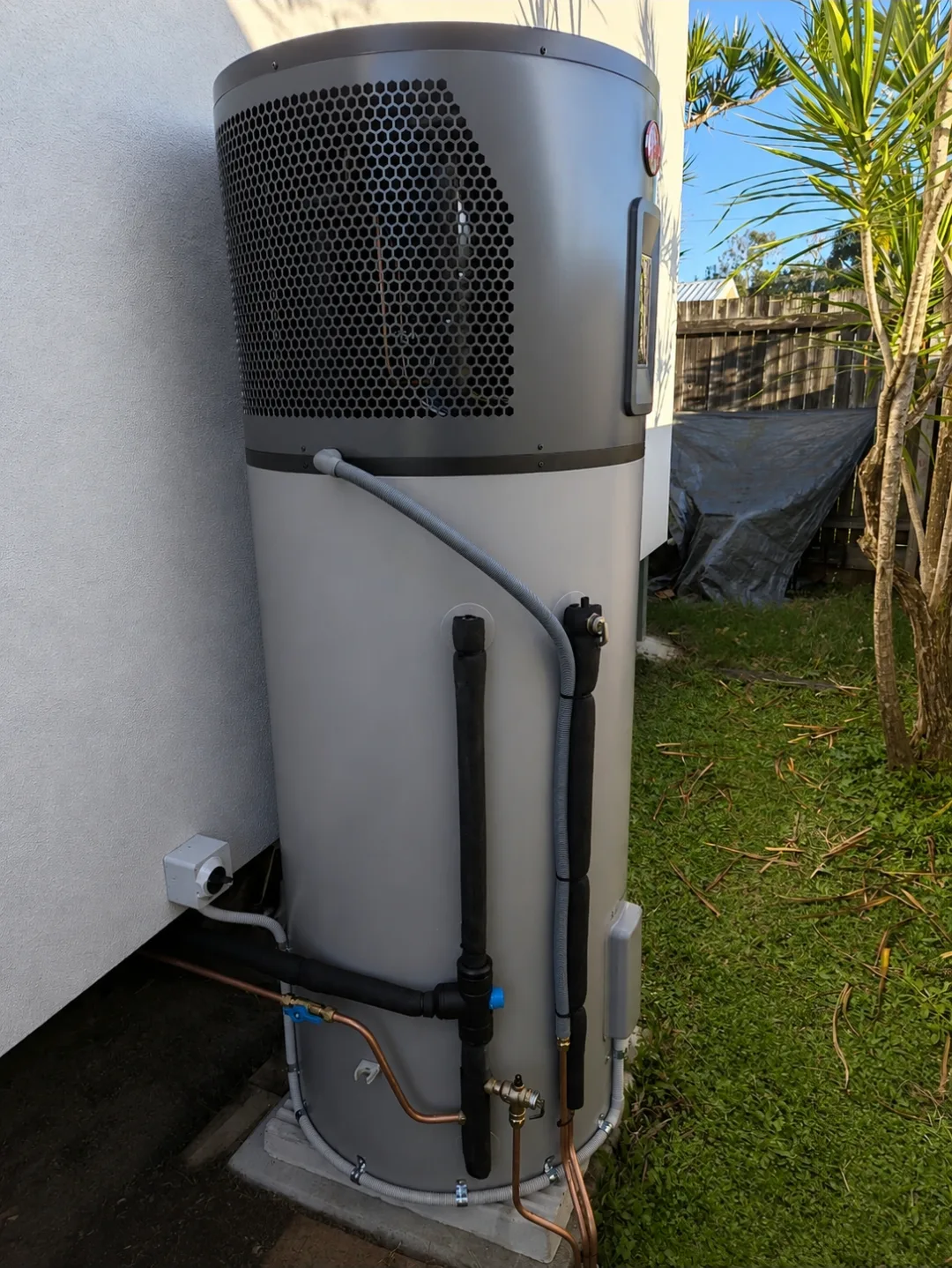
Age changes what a fault means. A failed element on a sound tank is a straightforward repair at almost any age. The same symptom on a cylinder with a rusting base and a long-spent anode is a sign the tank is close to the end, and fitting a new element there only moves the money around. Richard checks the cylinder before recommending parts so the repair you pay for has a fair chance of lasting.
The hills add a second pattern. A tank under a high-set house or at the bottom of a sloping block can drip for weeks without anyone noticing, because the water drains away downhill. The first sign is often a higher water bill or a damp smell. If you suspect a leak, turn off the cold supply to the unit if you can reach the valve, and leave the electrical circuit off.
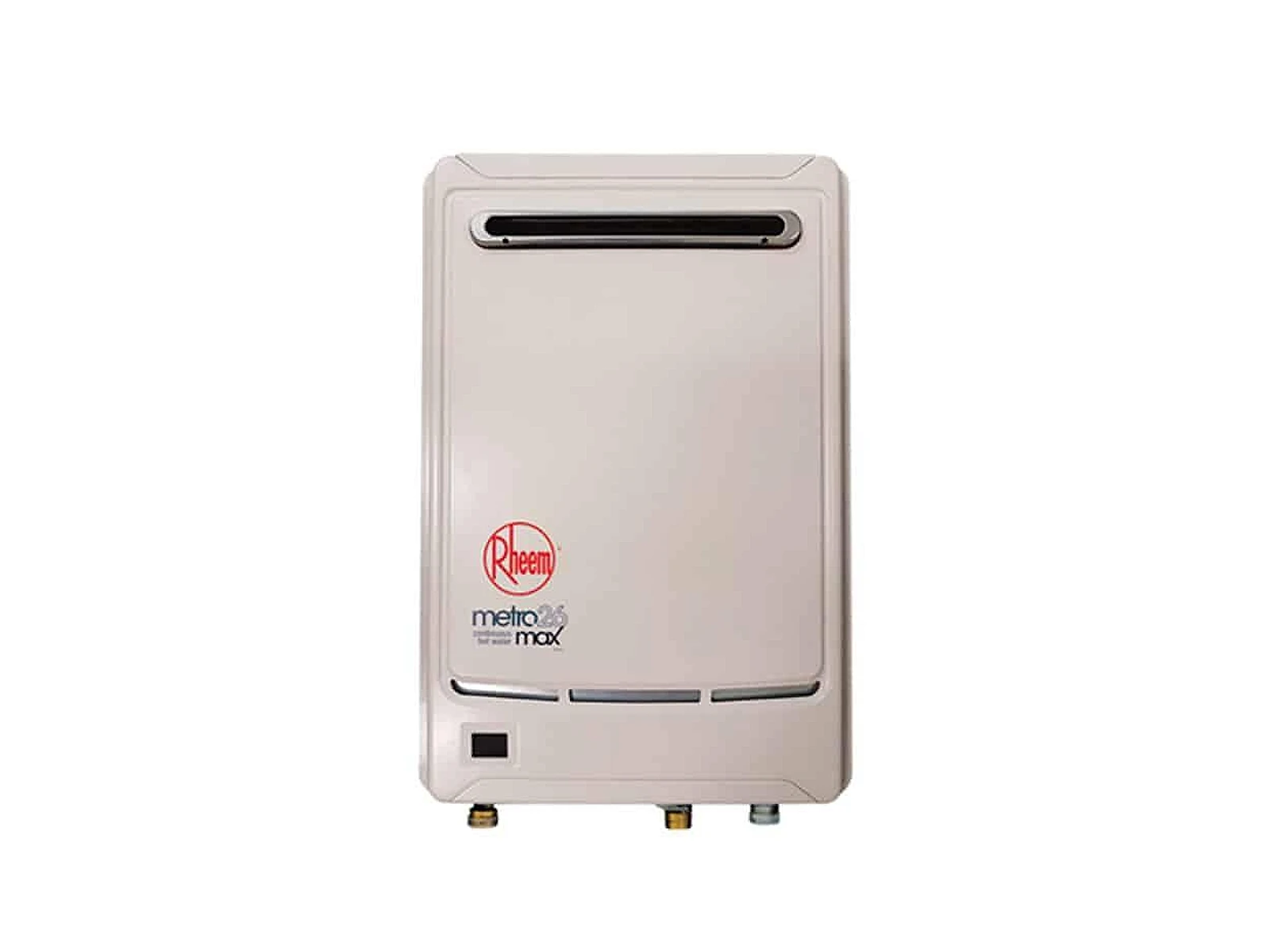
Some Nambour streets have reticulated natural gas and some do not, so the house next door may run a different system from yours. That matters for repairs because a gas fault calls for a gas licence and different parts. Do not open gas or electrical panels while you wait. Ring 0415 611 356 and describe what the system is doing.