
Noosaville sites and the faults they produce
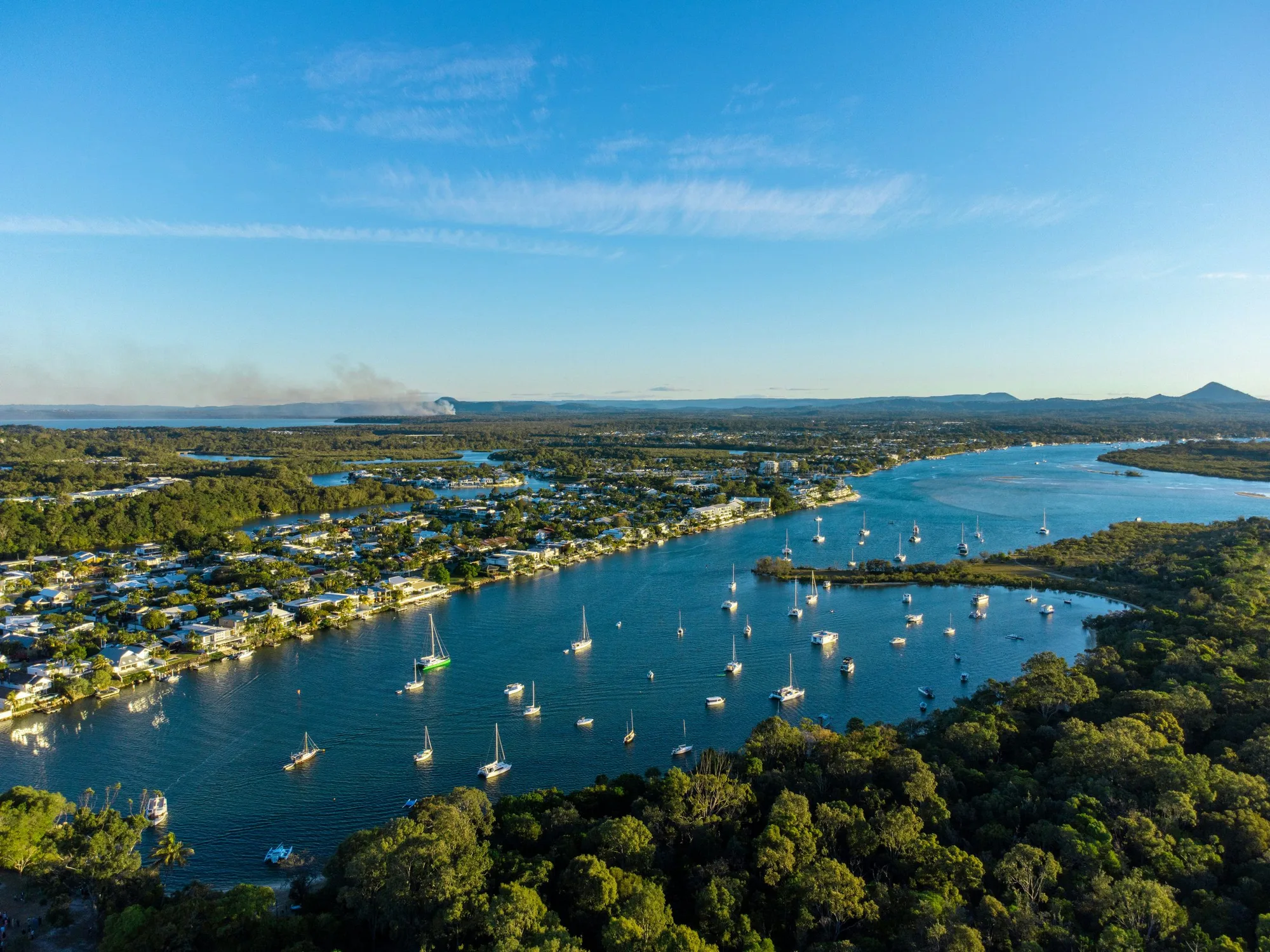
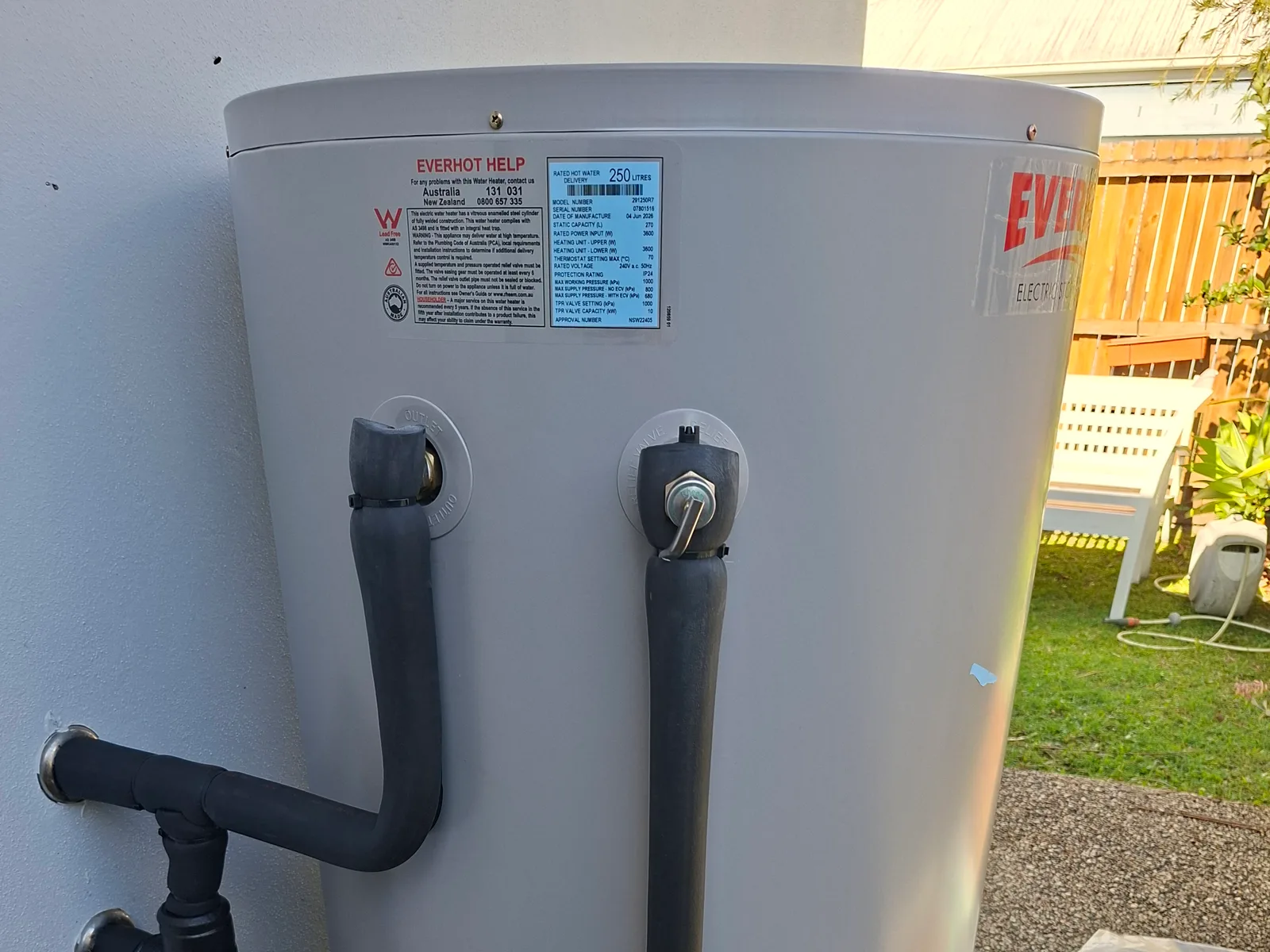
The riverfront strip along Gympie Terrace is mostly holiday accommodation and hospitality, with residential streets behind it subdivided from the 1970s onwards. Much of the older stock is walk-up units and duplexes, where the original electric tank was built into an external cupboard. Clearances are tight and the tray drain is often hard to reach, so a slow leak can go unnoticed until the cupboard floor rots.
River humidity and brackish air are the second factor. They are milder than open-ocean spray, but over a decade they still corrode fittings, valve bodies and mounting hardware. A repair here often includes replacing a corroded fitting or bracket found while working on the main fault, which stops the next leak before it starts.
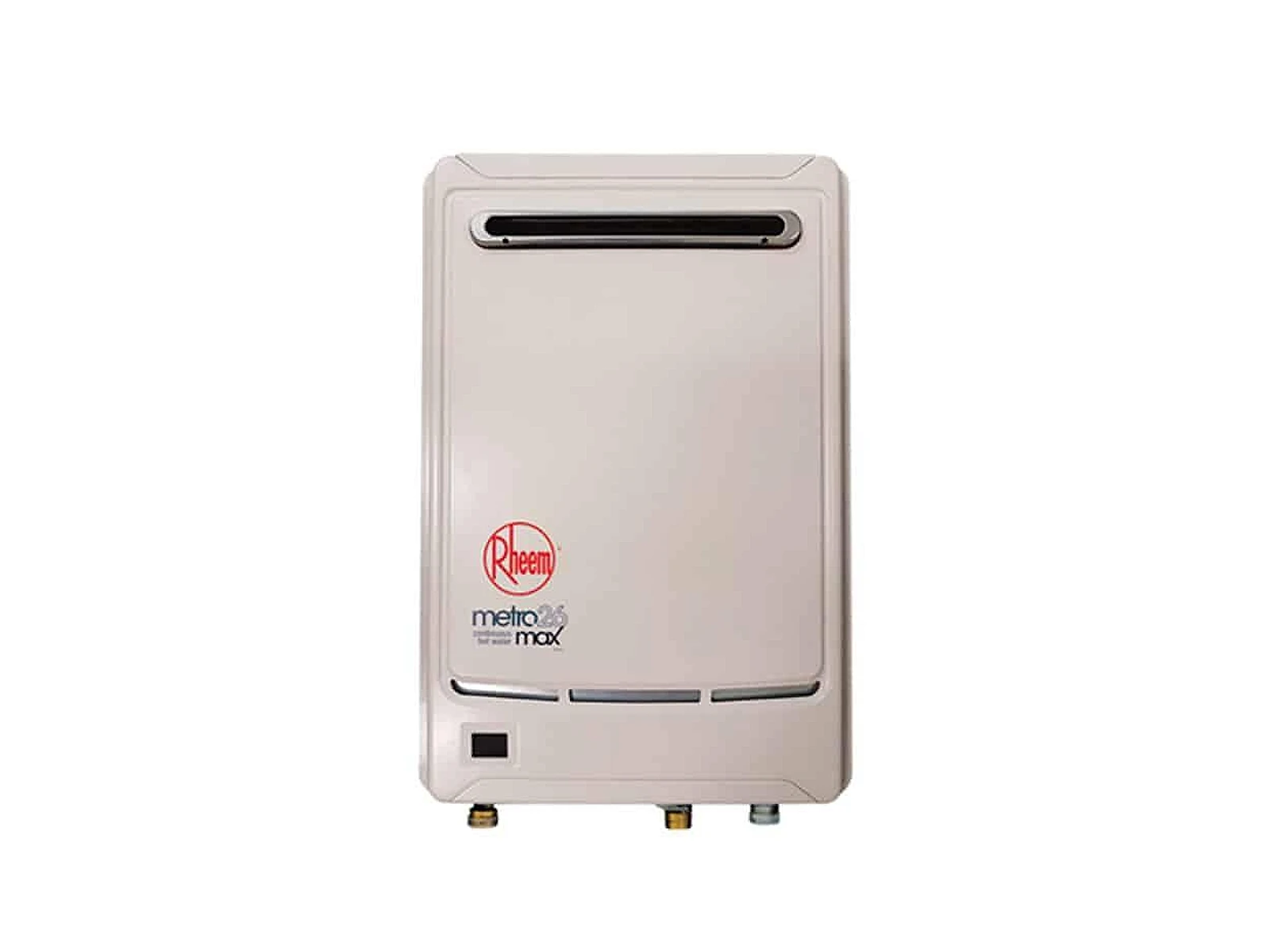
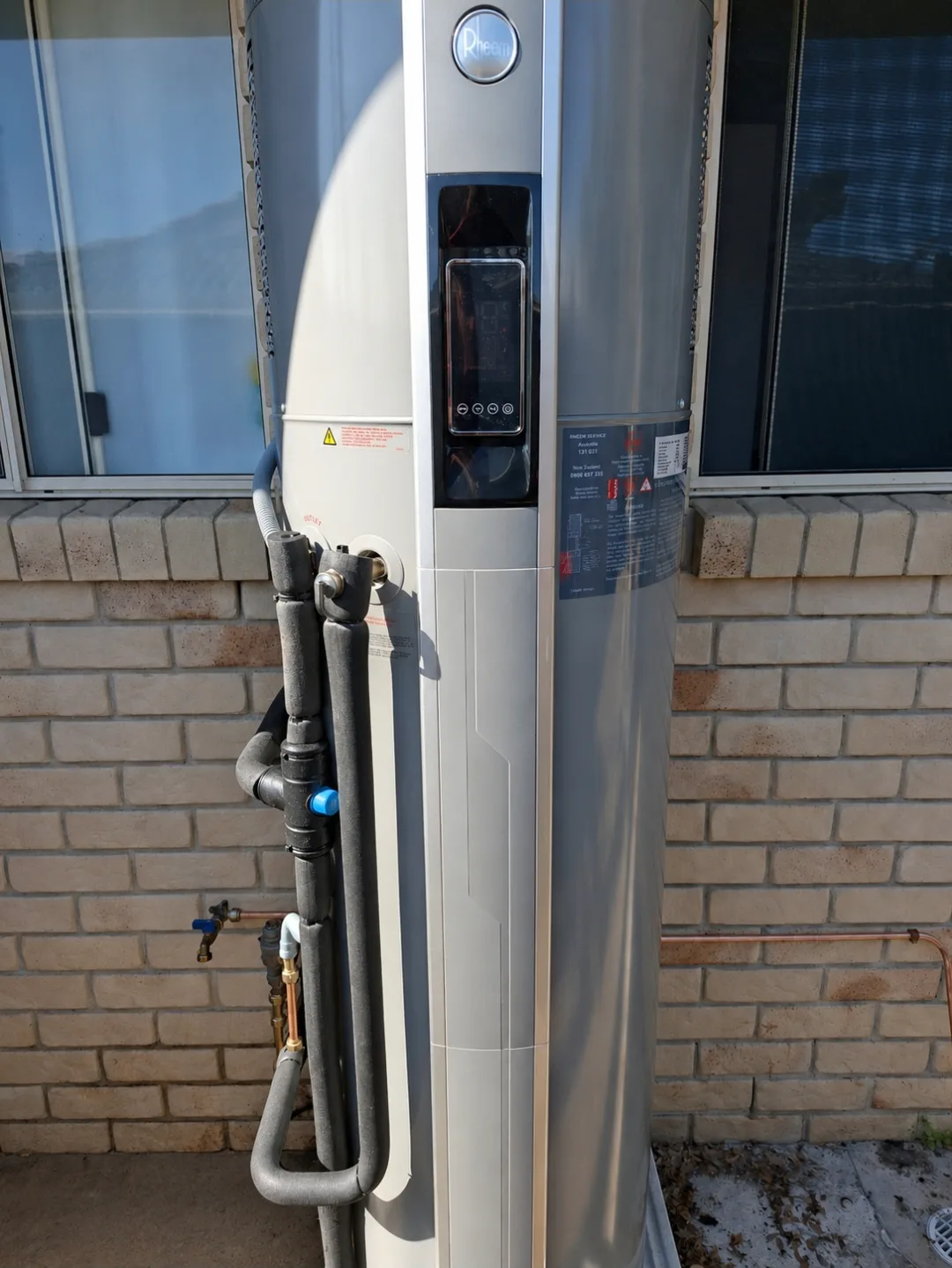
Gas is the third. Most of Noosa Shire is not on reticulated natural gas, so gas units in Noosaville run on LPG bottles. Wall-mounted continuous flow heaters suit the tight blocks, but they are sensitive to flow. A tap barely open, a partly blocked inlet filter or a mixer sending cold through can drop flow below the unit's activation rate, and the burner switches off. That reads as a broken heater and usually is not.
Holiday units add a timing problem. A unit that sits empty for a fortnight can hide a failing element or a weeping valve until the next guests arrive. Running a hot tap at each changeover and booking a yearly check moves those repairs into quiet weeks.