


How salt and short stays wear Noosa systems

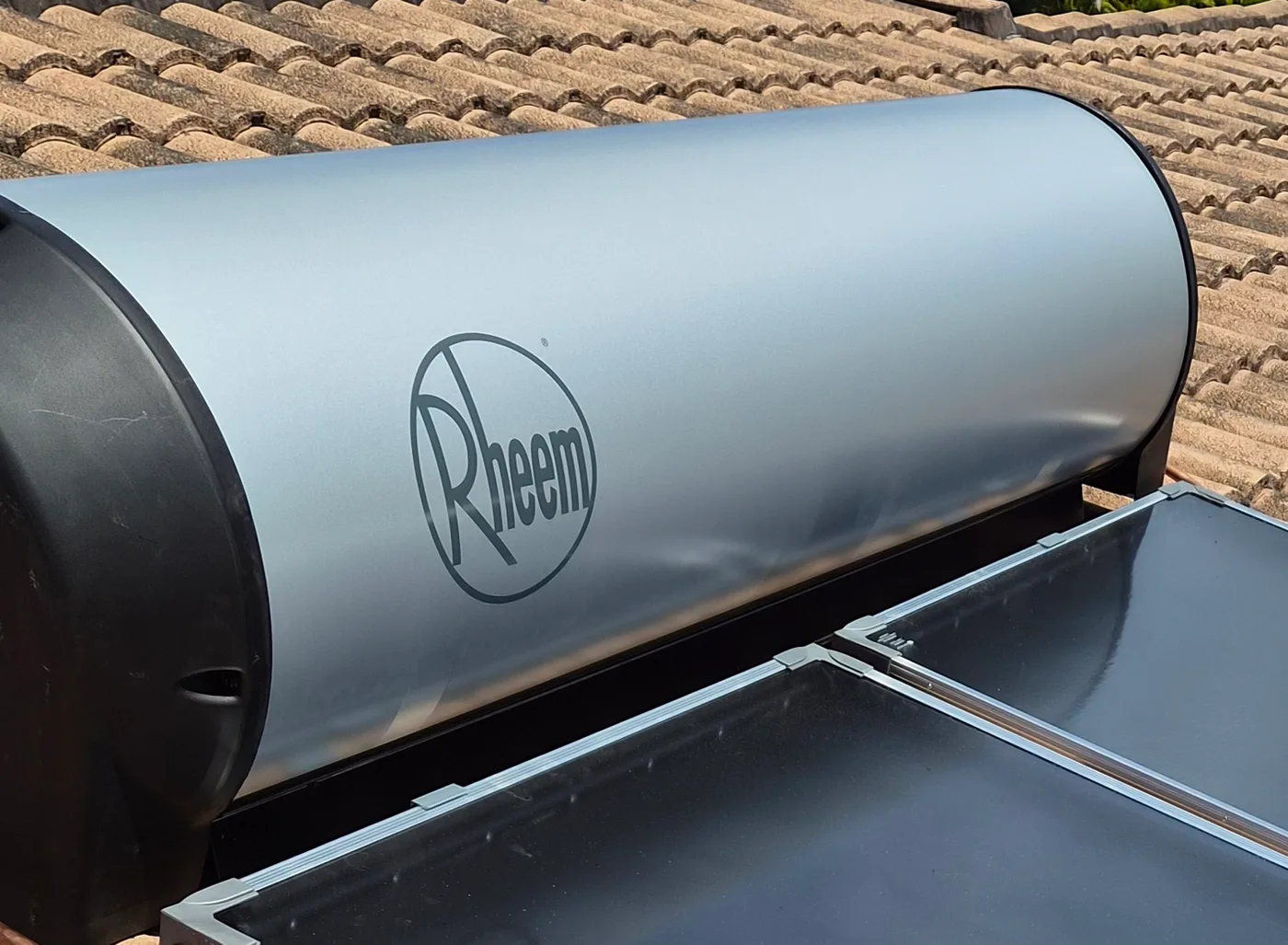
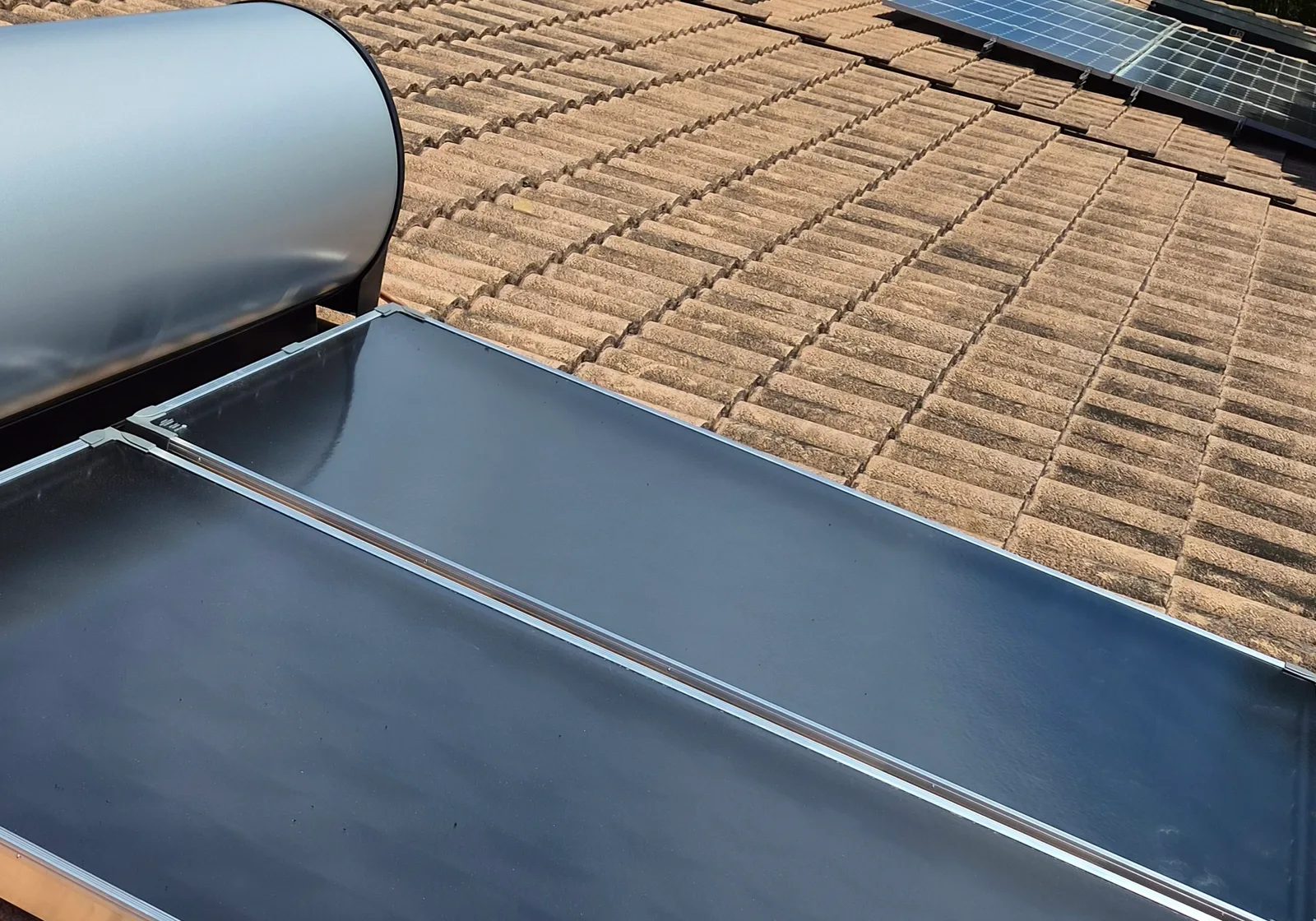
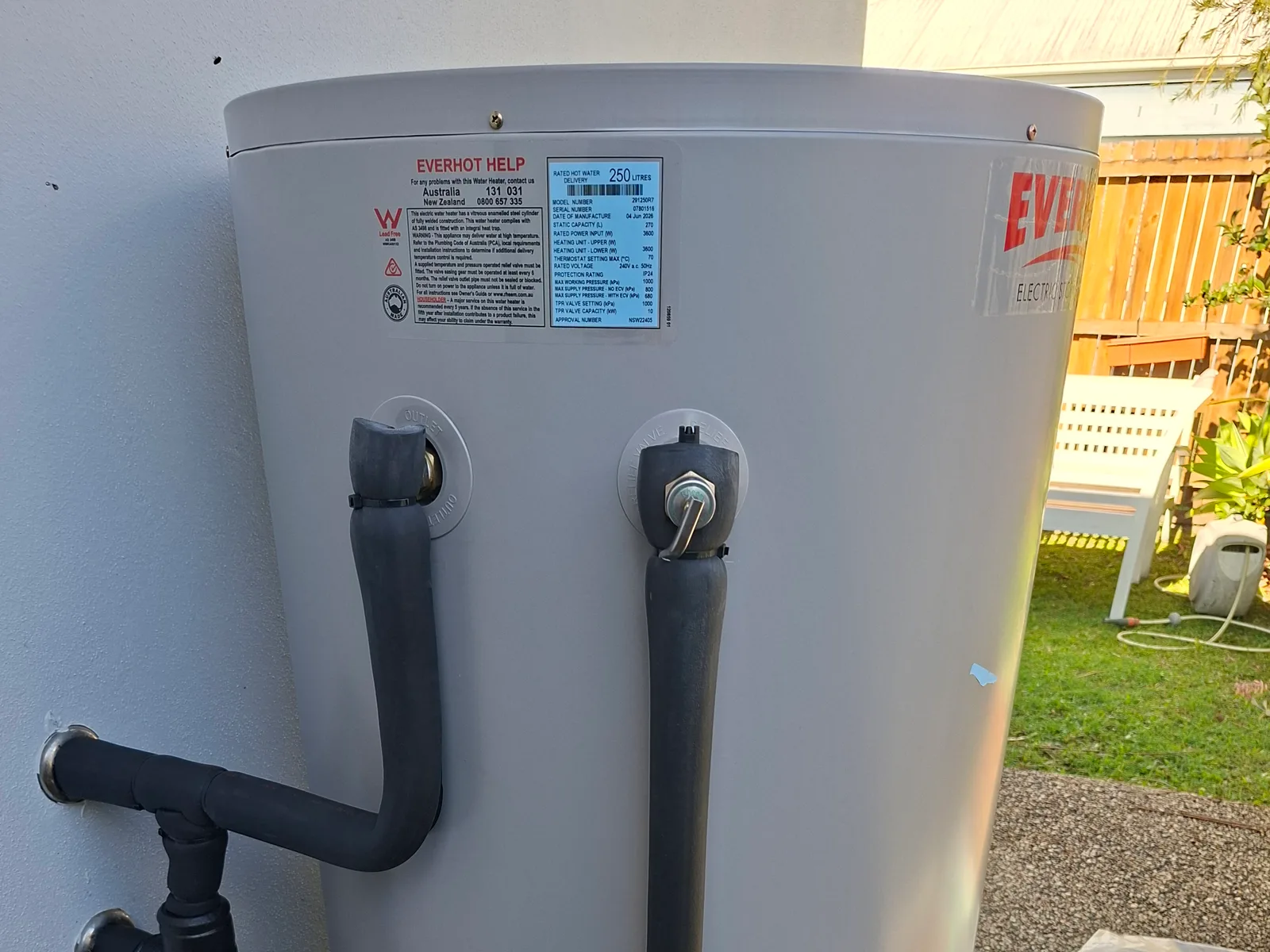
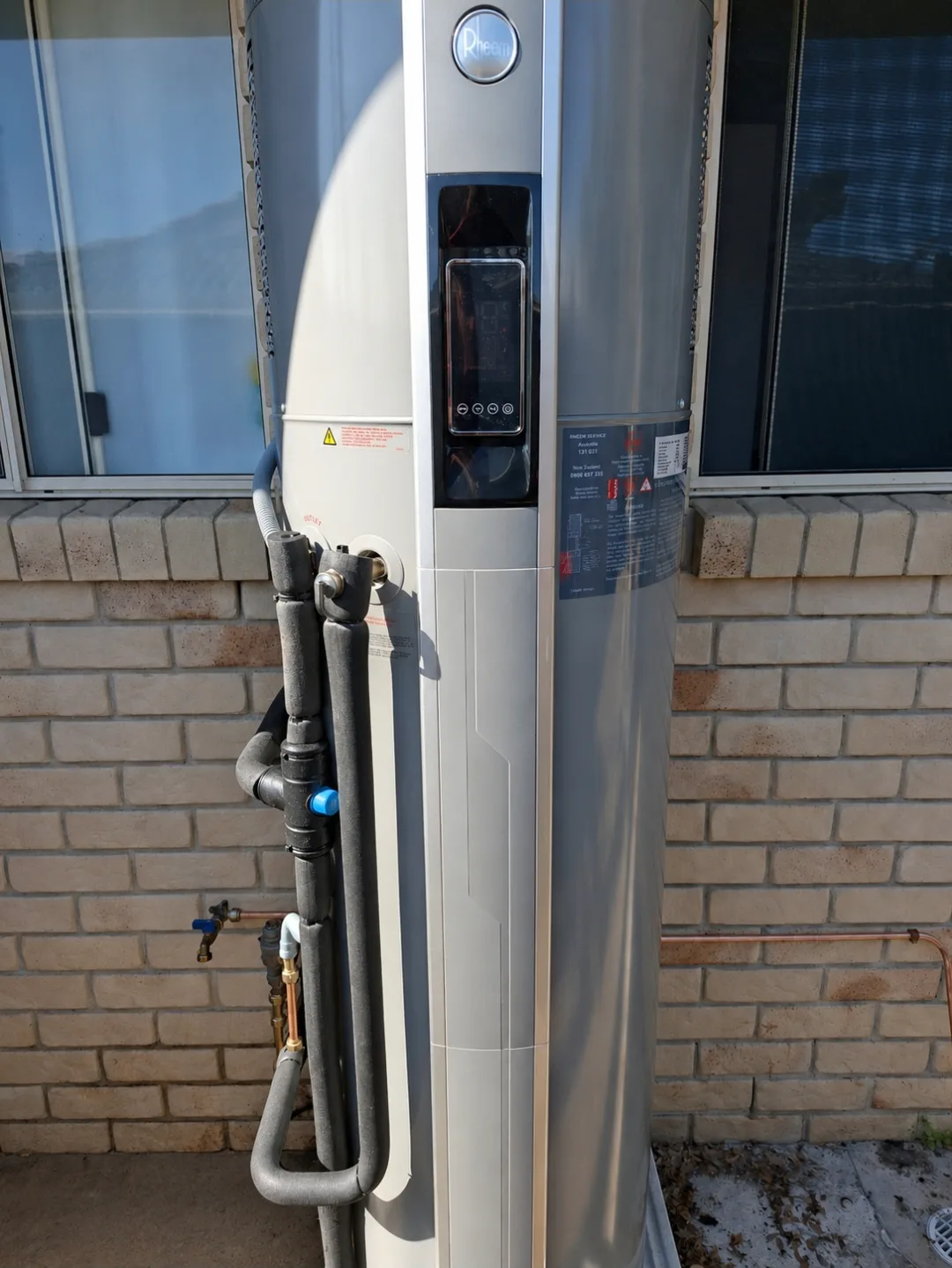
Noosa's low-rise coastal strip puts most hot water units outside, one per dwelling, in the open air. A few streets from the surf, that air carries salt. It attacks the outer casing, mounting brackets, exposed copper, valve bodies and the burner assembly on gas units. The cylinder inside is protected by its lining and anode, so it is common to find the tank sound while the parts around it are failing.
That distinction shapes the repair. A relief valve weeping because salt has crusted its seat can be replaced in one visit. A burner that will not hold a flame may need its sensor or igniter changed. The tank warranty usually covers the cylinder rather than the corroded connections around it, which is why owners are often surprised to find a repair needed on a unit still under warranty.
Short-stay occupancy adds a second pattern. A holiday house may sit empty for a week and then run six people through the showers in a morning. Faults that develop quietly during the empty spell, such as a failing element or a valve stuck open, only show up when the house fills. A cleaner running a hot tap at each changeover catches most of them early.
LPG adds a third check. With very little mains gas in the shire, gas units here run on bottles, and an empty bottle, a failing regulator or a kinked line can produce the same symptoms as a heater fault. Richard checks the supply before the burner, so you are not billed for a part the heater never needed.