


What hinterland water and terrain do to repairs

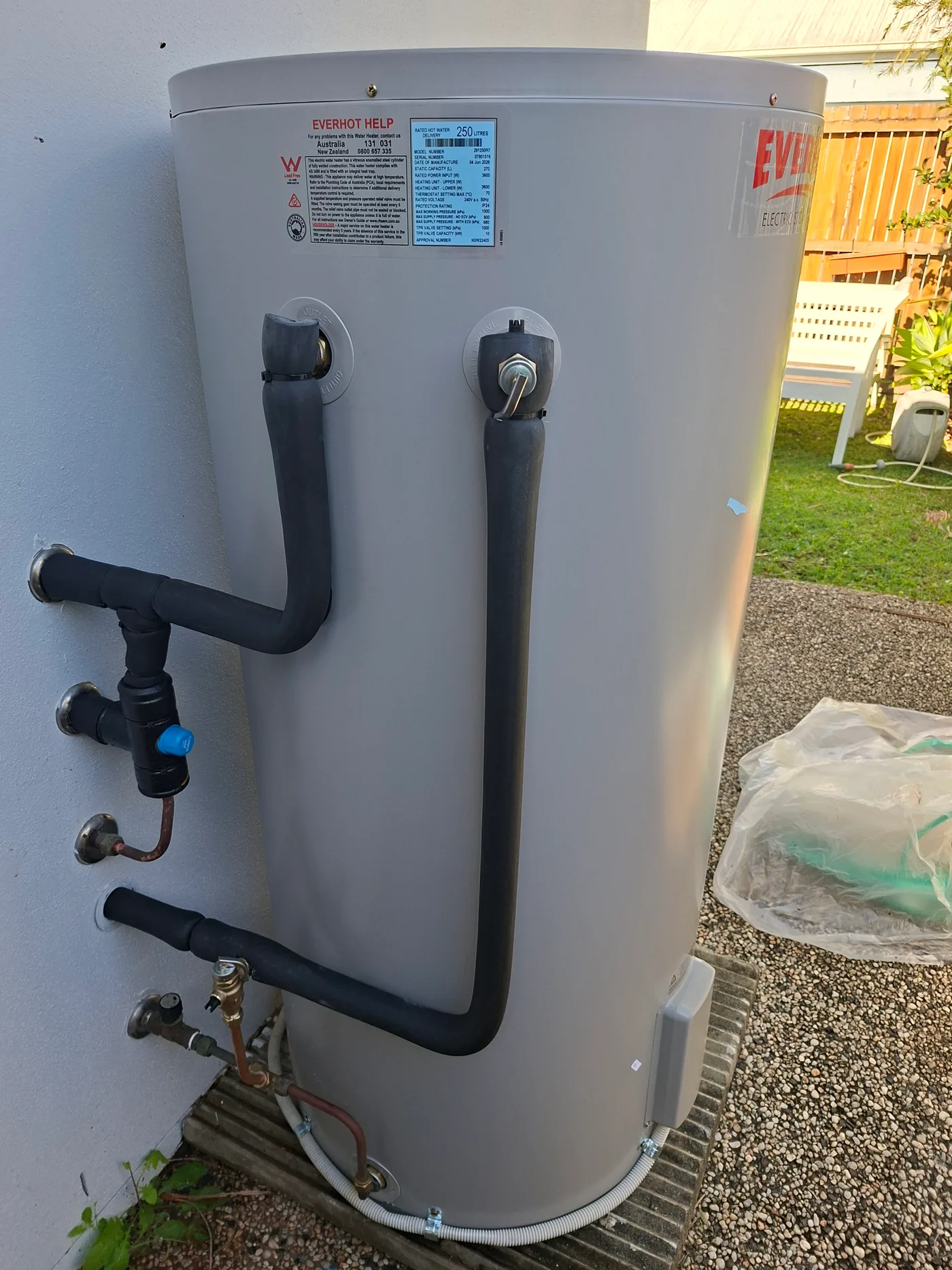
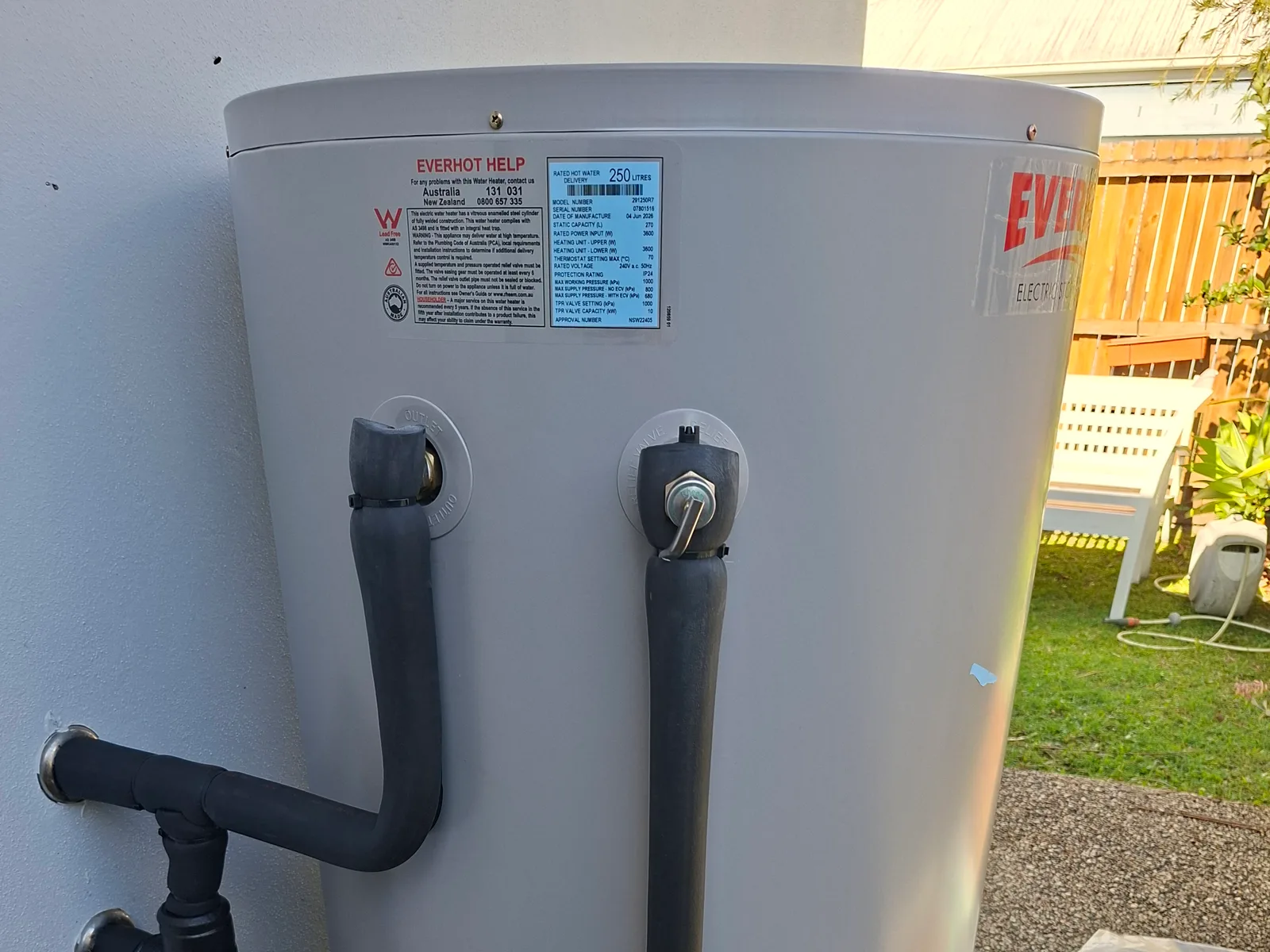
Soft rainwater is the starting point for most repeat faults in the Cooroy district. It is mildly acidic and consumes a sacrificial anode much faster than treated town supply. Once the anode is spent, the cylinder lining takes the corrosion, and a tank that might have lasted well into its second decade fails early. Many owners who have replaced two tanks in twelve years have never had an anode inspected.
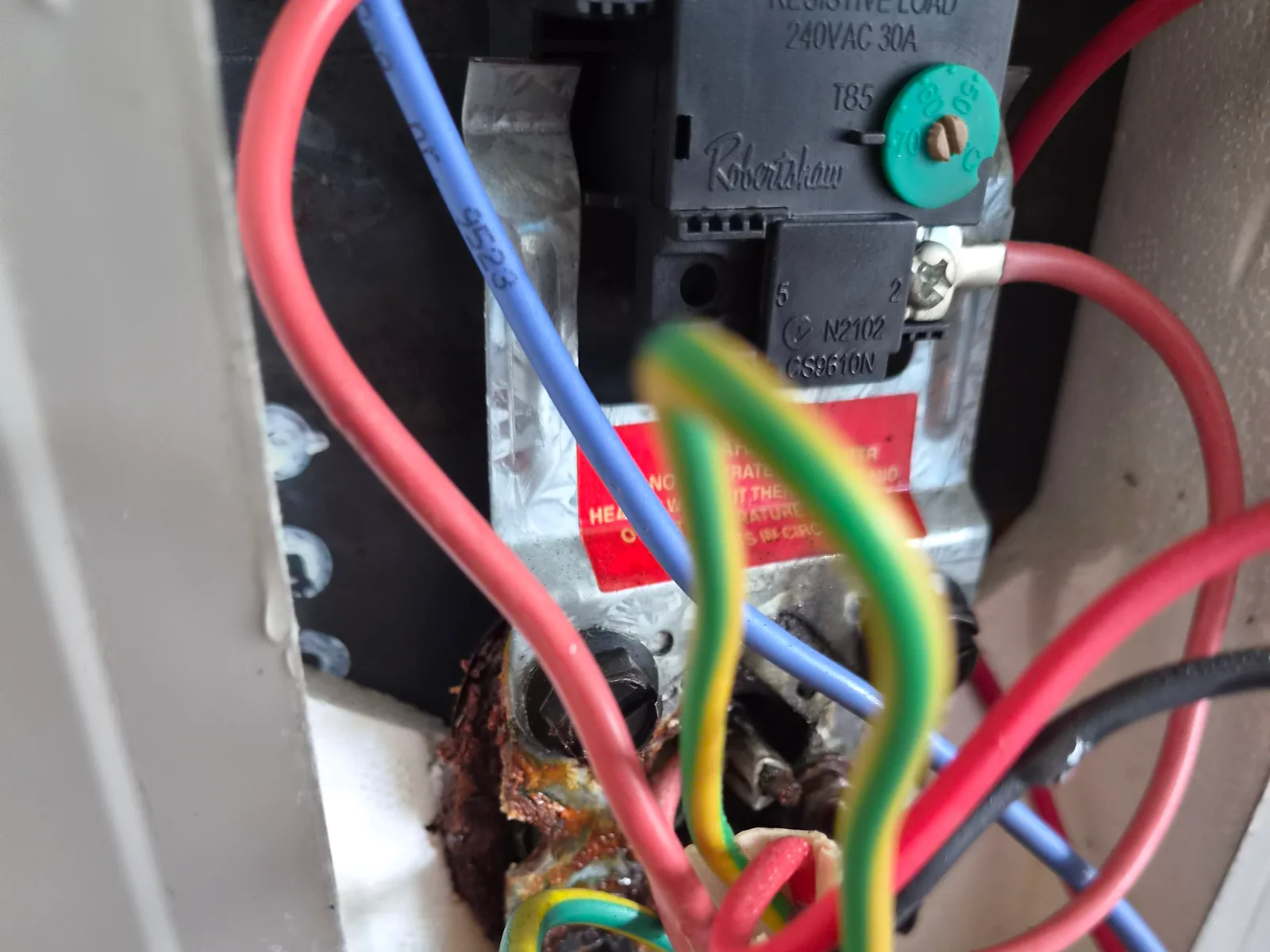
Roof sediment is the second. Leaves, dust and fine grit wash into a rainwater tank and some of it reaches the hot water cylinder, where it settles on the bottom and over the lower element. The element cannot shed heat, runs hot and burns out. A rumbling or knocking tank is the warning, and a flush during the repair stops the next element going the same way.
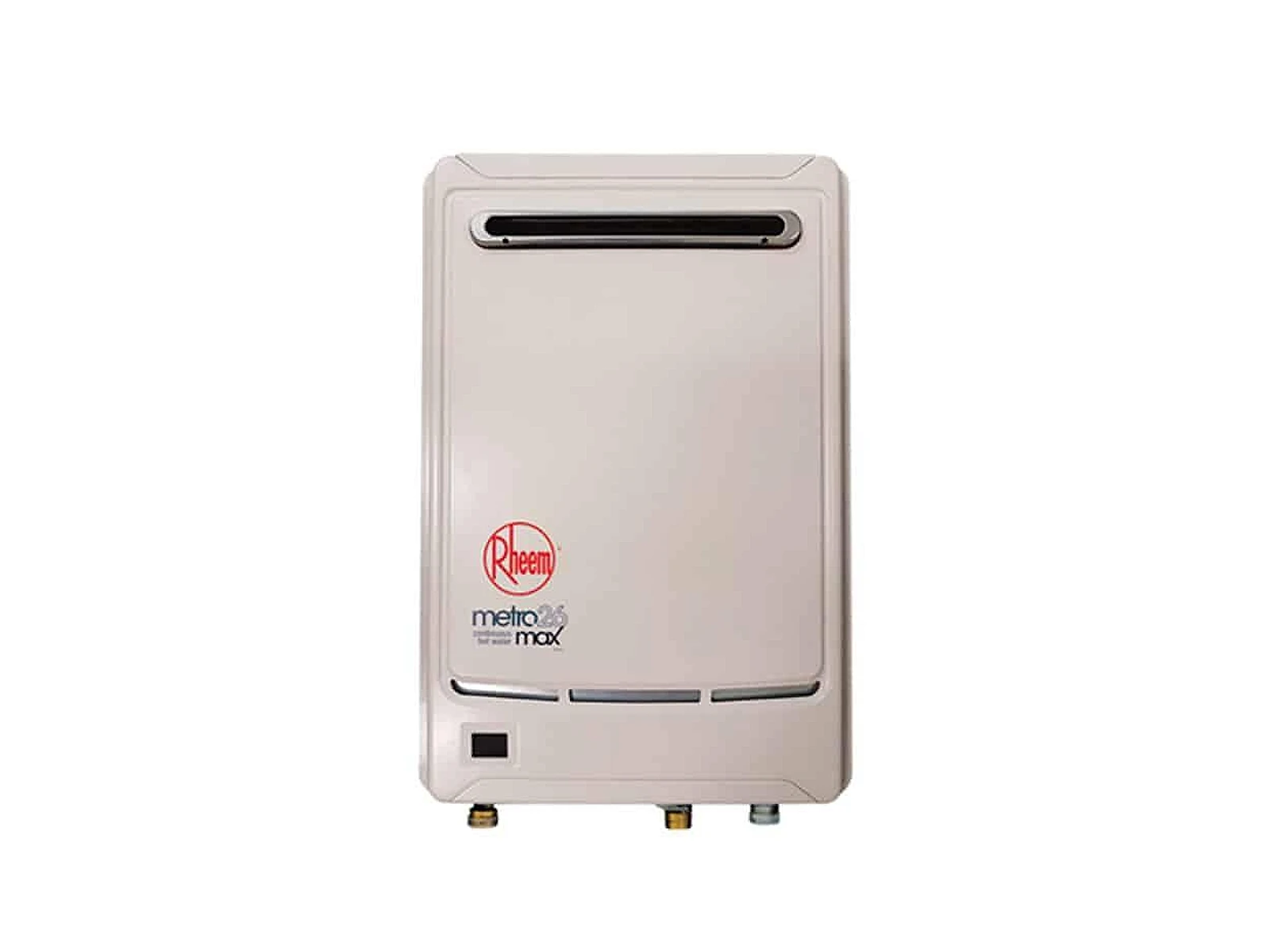
The pressure pump is the third, and the one most often misread. If the pump cuts in and out at the wrong pressures, flow drops in surges. A continuous flow heater falls below its minimum flow and switches off, so the shower runs cold for a few seconds and then recovers. A partly blocked inlet filter does the same. Neither is a heater fault, and replacing the heater does not fix either.
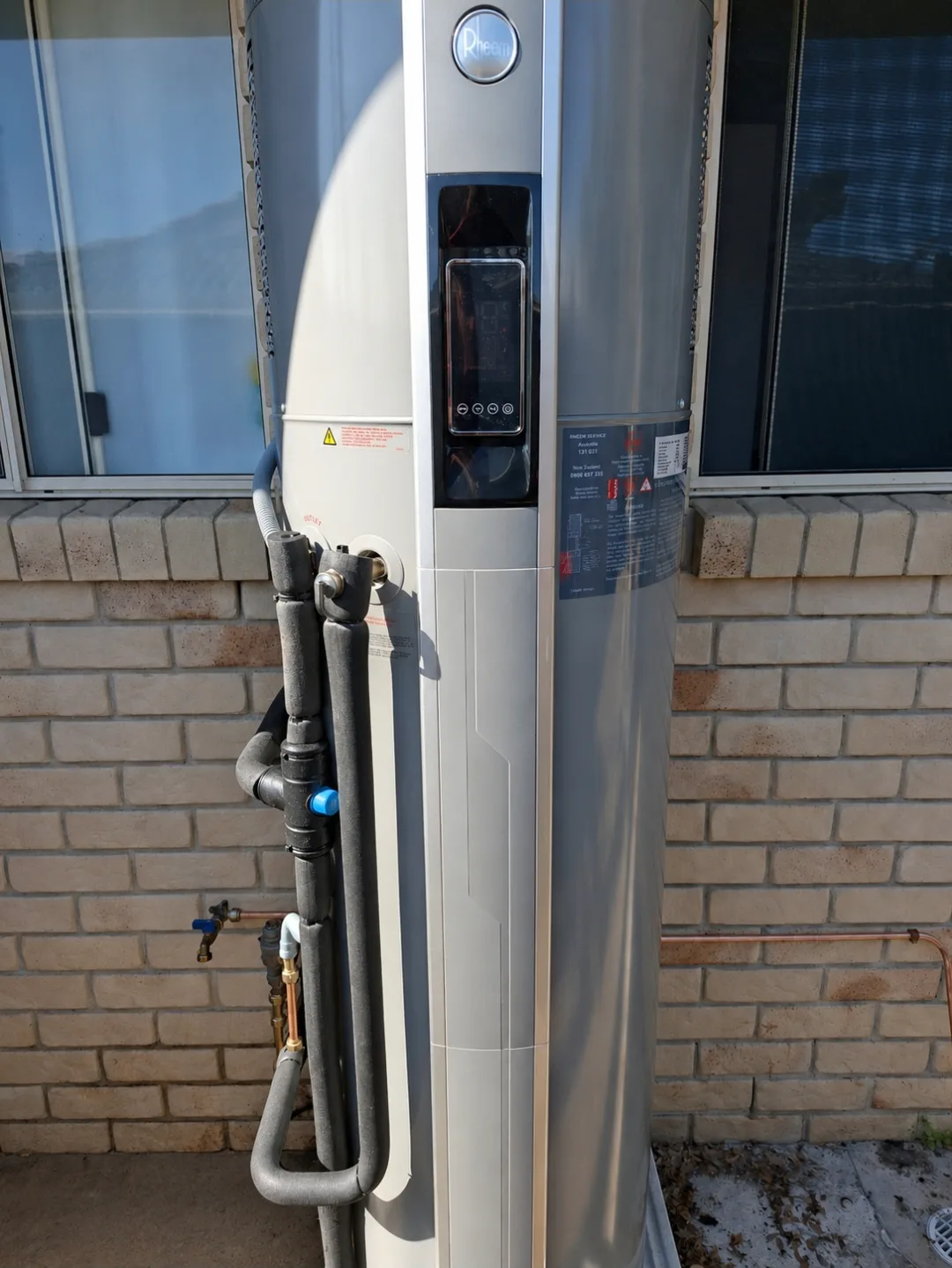
Long pipe runs and sloping blocks add the last layer. A system well away from the house takes longer to deliver hot water, and a unit on a sloping site may have shifted on its base. Richard checks the run, the base and the tray drain as part of the visit, so the repair holds on the ground it sits on.